
Japan is famous for its rich traditions, discipline, and one more thing—its remarkably healthy population. With one of the lowest obesity rates in the world, Japanese culture offers valuable lessons for anyone trying to live a healthier life. Instead of following short-term fad diets, the Japanese lifestyle emphasizes balance, mindfulness, and sustainable habits that naturally prevent weight gain.
So, what exactly can we learn from them? Let’s explore 7 things to borrow from Japanese culture to never get fat and see how you can apply these principles in your own daily life.
7 Things to Borrow from Japanese Culture to Never Get Fat !
1. Balanced Portions (Hara Hachi Bu)

One of the most powerful Japanese practices is “Hara Hachi Bu,” which means eating until you are 80% full. Instead of stuffing themselves, the Japanese stop before they feel completely satisfied.
- Why it works: Eating smaller portions reduces calorie intake without feeling deprived. It also gives your brain time to register fullness.
- How you can apply it: Use smaller plates, eat slowly, and avoid second helpings. Practicing portion control like the Japanese can significantly reduce overeating and weight gain.
2. Fresh, Seasonal Foods
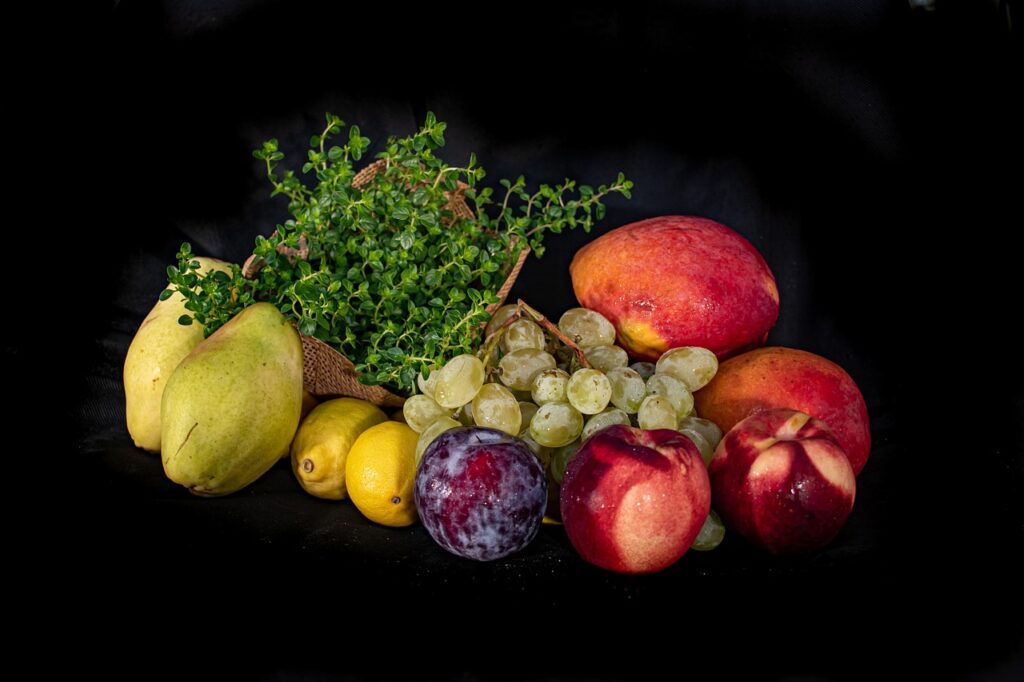
In Japan, meals are built around fresh, seasonal, and local produce. Processed foods and packaged snacks are far less common compared to many Western countries.
- Why it works: Fresh fruits, vegetables, and seafood are nutrient-dense, low in calories, and free from hidden sugars or unhealthy fats.
- How you can apply it: Prioritize fresh produce over packaged food. Shop at local markets and adapt your meals to the season for maximum nutrition.
3. More Fish, Less Red Meat
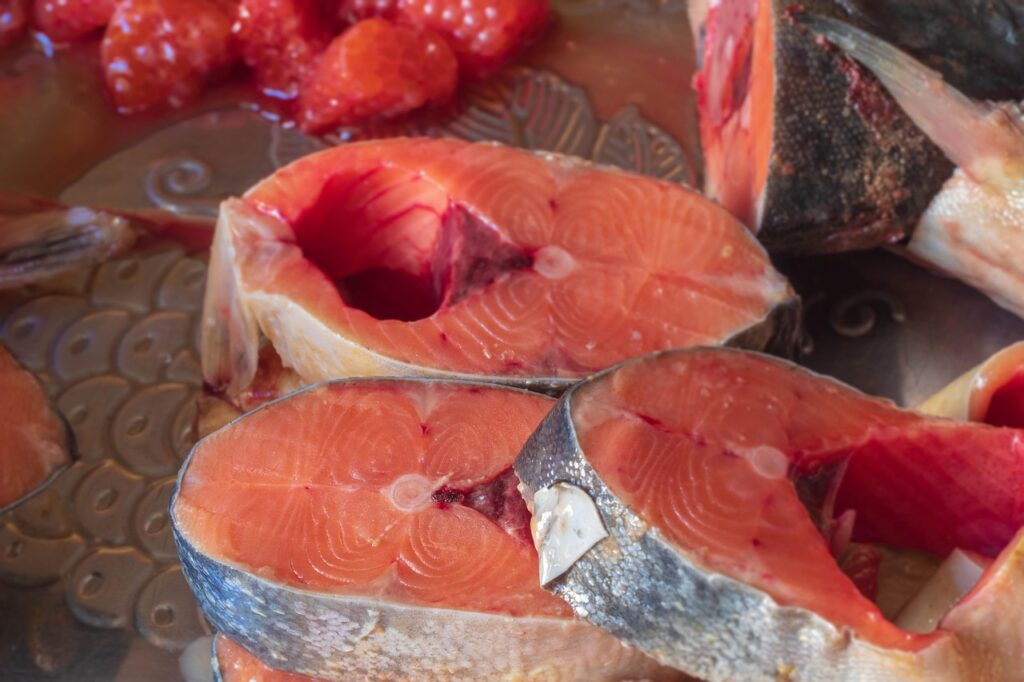
Japanese diets are rich in fish, seaweed, and soy-based foods like tofu. Red meat and heavy dairy products are consumed in smaller amounts.
- Why it works: Fish is packed with lean protein and omega-3 fatty acids, which promote heart health and reduce inflammation. This makes it easier to maintain a healthy weight.
- How you can apply it: Swap red meat with fish a few times a week. Experiment with salmon, mackerel, or tuna for a satisfying yet lighter meal option.
4. Active Lifestyle Built into Daily Routine

Unlike the West, where fitness often means going to the gym, the Japanese incorporate movement into their everyday lives. Walking, cycling, and taking the stairs are part of their normal routine.
- Why it works: Small bursts of daily activity burn calories, improve metabolism, and prevent fat storage without feeling like a workout.
- How you can apply it: Walk short distances instead of driving, use stairs instead of elevators, and aim for at least 8,000–10,000 steps daily.
5. Mindful Eating Rituals

In Japan, eating is considered a mindful activity. Meals are beautifully presented in smaller dishes, and people take the time to enjoy textures, flavors, and aromas.
- Why it works: Mindful eating reduces overeating, improves digestion, and enhances satisfaction. You end up eating less while feeling more nourished.
- How you can apply it: Avoid eating in front of the TV or while scrolling on your phone. Serve meals on small plates, sit down, and focus on each bite.
6. Green Tea Instead of Sugary Drinks
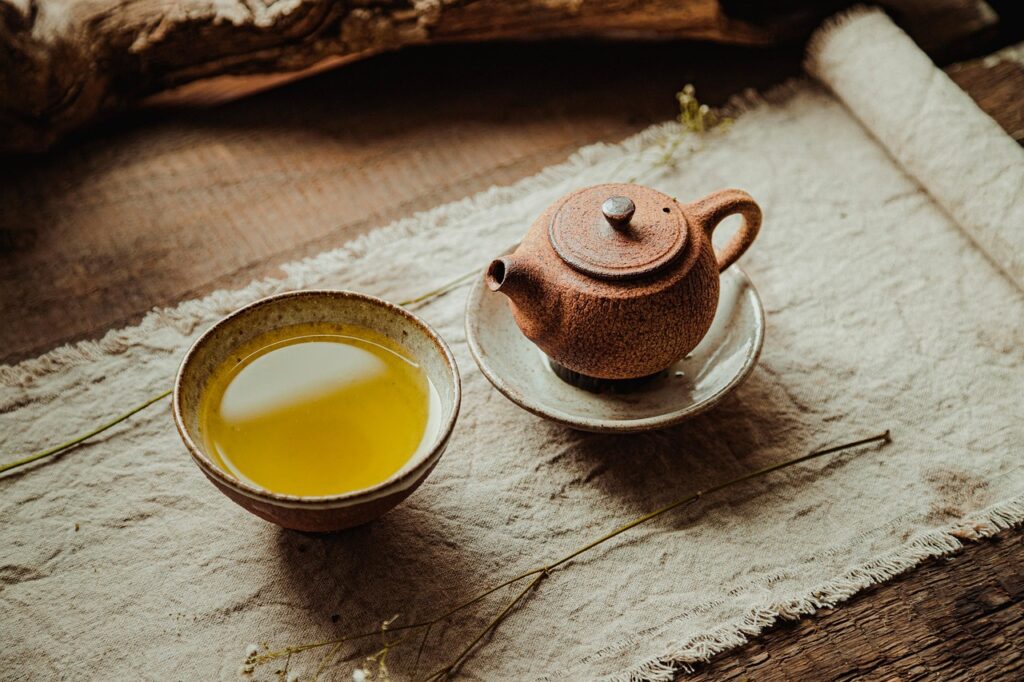
One of the most popular beverages in Japan is green tea, which is rich in antioxidants and has metabolism-boosting properties. Sugary sodas and high-calorie drinks are rare in traditional Japanese diets.
- Why it works: Green tea improves fat oxidation, supports digestion, and reduces the risk of lifestyle diseases.
- How you can apply it: Replace sodas, energy drinks, or sweetened juices with green tea. Even 2–3 cups daily can help manage weight effectively.
7. Community, Discipline, and Routine
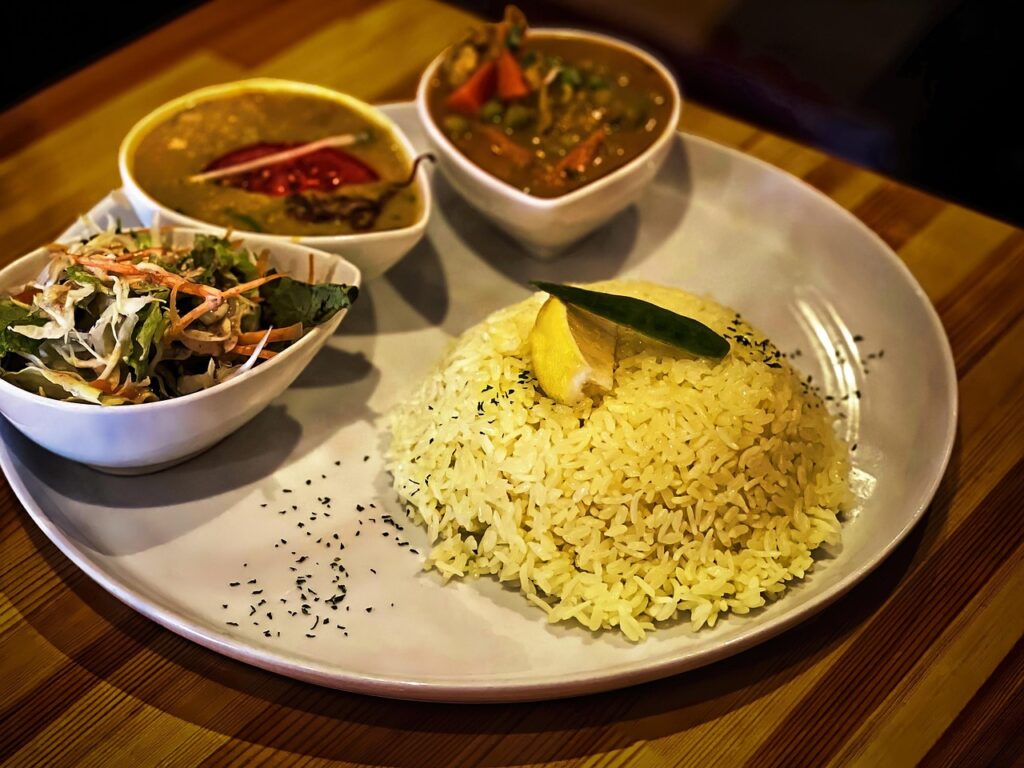
Japanese culture values discipline, routine, and community eating practices. From bento boxes to family dinners, meals are structured and balanced rather than random or excessive.
- Why it works: A consistent eating routine prevents binge eating and late-night snacking. Social dining encourages balanced portions and healthier food choices.
- How you can apply it: Create a meal routine, prepare balanced lunches, and eat at regular times. Avoid skipping meals or eating on the go.
Why the Japanese Way Works
The Japanese approach to health is not about strict dieting but about balanced living. Their habits focus on quality, moderation, and mindful living rather than calorie counting or restrictive plans.
By borrowing these 7 things from Japanese culture, you can naturally maintain a healthy weight without the stress of fad diets. The key takeaway is simple: eat fresh, eat mindfully, move daily, and stop before you’re full.
7 Things to Borrow from Japanese Culture to Never Get Fat , CONCLUSION !!!
If you’ve ever wondered how the Japanese maintain such low obesity rates, the answer lies in their daily habits rather than extreme measures. Incorporating hara hachi bu, seasonal foods, fish, mindful eating, green tea, and active living into your routine can transform your relationship with food and health.
Unlike the West, where fast food and oversized portions dominate, Japan emphasizes balance, variety, and freshness in every meal.
Their cultural approach to food is less about counting calories and more about enjoying natural flavors in moderation.
Walking, cycling, and staying active are not special workouts in Japan—they are simply part of daily life.
Traditional meals are designed to nourish both the body and mind, focusing on quality over quantity.
This holistic lifestyle is why Japan consistently ranks among the healthiest nations on earth.
Instead of chasing quick fixes, embrace these time-tested cultural practices. By doing so, you’ll not only avoid gaining excess weight but also enjoy better energy, longevity, and overall well-being.
Also Read : 5 High-Protein Food Alternatives to Eggs for a Healthy Diet
Best Foods to Try in Tokyo: A Local’s Guide to Must-Eat Dishes
1 thought on “7 Things to Borrow from Japanese Culture to Never Get Fat”