
All posts by AM blogs

AM blogs is a content creator and blogger passionate about covering trending topics across technology, entertainment, travel, and food. His goal is to deliver well-researched, easy-to-read, and helpful articles that keep readers informed about the latest smartphone launches, OTT updates, travel tips, visa guides, and food trends. Through this platform, Mahmood strives to make complex information simple and accessible for everyone.

Causes of Floaters in Eye: Understanding Why They Appear and When to Seek Help

Causes of Floaters in Eye, pic for representation purpose only, image source : Pexels

If you have ever noticed tiny specks, cobweb-like strands, or small dark shapes drifting across your vision, you have likely experienced floaters in the eye. They may appear suddenly when looking at a bright background such as a blue sky or a white wall. While floaters are usually harmless and a part of the natural aging process, they can sometimes indicate an underlying eye condition that requires medical attention.

Causes of Floaters in Eye


What Are Eye Floaters?

Eye floaters are small clumps of cells or protein fibers inside the vitreous humor—the clear gel that fills the inside of your eye. These clumps cast shadows on your retina, which you perceive as floaters moving across your vision.

Floaters do not actually move outside the eye; instead, they drift within the vitreous and shift position when your eyes move. For most people, floaters are common and not usually dangerous. However, sudden appearance of many floaters, especially with flashes of light, can be a sign of a more serious issue.


Causes of Floaters in Eye

There are multiple reasons why floaters develop. Let’s look at the most common causes:

1. Natural Aging Process

One of the primary causes of floaters in the eye is the natural aging process. As we age, the vitreous gel inside the eye begins to shrink and liquefy. Small fibers clump together and form shadows on the retina, resulting in floaters. This process, known as posterior vitreous detachment (PVD), is common after the age of 50.

2. Eye Injuries or Trauma

An injury to the eye can cause bleeding or damage inside the vitreous, leading to floaters. Even minor trauma may result in floaters, though severe injuries carry a higher risk of vision problems.

3. Eye Surgery or Laser Treatments

People who undergo cataract surgery or certain types of laser eye treatments may develop floaters as a side effect. This is due to changes in the vitreous gel or disruption of the retinal tissue.

4. Inflammation (Uveitis)

Inflammation inside the eye, especially in the uvea (the middle layer of the eye), can cause floaters. This condition is called posterior uveitis, and it often results from infections, autoimmune diseases, or inflammatory disorders. The inflammatory cells create shadows in the vitreous that are perceived as floaters.

5. Retinal Tears or Detachment

Sometimes, floaters can be an early warning sign of a retinal tear or detachment. When the vitreous gel pulls away from the retina, it can cause small tears. These tears may lead to fluid leaking behind the retina, causing it to detach. This is a medical emergency and needs urgent attention.


4–5 Conditions That Can Affect Your Sight Due to Floaters

While occasional floaters are usually harmless, they can sometimes signal more serious eye conditions. Here are key conditions that may threaten your sight:

1. Posterior Vitreous Detachment (PVD)

As mentioned, PVD occurs when the vitreous pulls away from the retina. While it is usually harmless, in some cases it can tug on the retina and cause tears. Symptoms include sudden increase in floaters, flashes of light, and blurred vision.

2. Retinal Tears or Detachment

Retinal detachment is a sight-threatening condition where the retina separates from the back of the eye. If untreated, it can lead to permanent vision loss. Symptoms include:

  • Sudden burst of floaters
  • Light flashes in vision
  • A curtain-like shadow covering part of your sight

3. Diabetic Retinopathy

People with diabetes are at risk of developing retinopathy, where blood vessels in the retina are damaged. Bleeding inside the eye (vitreous hemorrhage) can cause floaters, along with blurred or fluctuating vision. This condition needs strict control of blood sugar and regular eye exams.

4. Eye Infections and Inflammation

Certain infections (like toxoplasmosis or viral infections) and autoimmune conditions can cause uveitis, leading to floaters. Persistent inflammation not only causes floaters but can also damage the retina if untreated.

5. Ocular Migraines

Although not directly harmful, ocular migraines can cause temporary visual disturbances, including flashes of light and spots that may mimic floaters. Differentiating between migraines and retinal conditions is important for proper treatment.


When Should You Worry About Eye Floaters?

Most people experience floaters at some point, and they often become less noticeable over time. However, you should see an eye doctor immediately if you experience:

  • Sudden appearance of many floaters
  • Bright flashes of light in your vision
  • Loss of peripheral (side) vision
  • A shadow or curtain across your vision

These could be signs of retinal detachment, which is an emergency condition.


Tips for Managing and Preventing Eye Floaters

  • Get regular eye exams – Early detection helps prevent complications.
  • Manage chronic conditions – Control diabetes, hypertension, and autoimmune diseases.
  • Protect your eyes – Use protective eyewear to prevent trauma.
  • Maintain a healthy lifestyle – Good nutrition, hydration, and avoiding smoking can support long-term eye health.

Floaters in the eye are often a normal part of aging, but they can also be linked to serious conditions like retinal detachment, uveitis, or diabetic retinopathy. Understanding the causes of floaters in eye and recognizing warning signs can protect your vision.

If you notice sudden changes in floaters, flashes of light, or vision loss, consult an eye specialist immediately. Remember, timely diagnosis and treatment can make the difference between healthy sight and permanent vision loss.

Also Read : Jeera Water vs Chia Seeds: Which is Better for Weight Loss?

What Happens to Your Body When You Cut Sugar From Your Diet for 30 Days

How Much Should You Weigh for Your Height?

Bedroom Secrets: The One Kink Millions of Women Crave but Never Admit

7 Things to Borrow from Japanese Culture to Never Get Fat

5 High-Protein Food Alternatives to Eggs for a Healthy Diet

Visa-free countries for Indian passport holders

visa-free countries for Indian passport holders , image source : Pexels

Traveling abroad is no longer a luxury only for the rich. With budget airlines, cheap accommodations, and smart travel hacks, Indians can explore the world without burning a hole in their pocket. But one factor that often adds to the cost and stress of international travel is visa applications. From high fees to long waiting times, getting a visa can be a roadblock for many.

The good news? There are several visa-free countries for Indian passport holders that allow you to pack your bags and fly without any complicated paperwork. In this blog, we’ll explore the best destinations for budget-friendly international travel where Indians don’t need a visa, along with tips to save money during your trip.


visa-free countries for Indian passport holders

visa-free countries for Indian passport holders, image source : Pexels

🌍 Why Choose Visa-Free Countries?

  1. Save Money: Visa application fees can range from ₹3,000 to ₹10,000 or more, which you can save and use for travel.
  2. Save Time: No embassy visits, interviews, or long waiting periods.
  3. Budget-Friendly Trips: Many visa-free countries are also affordable in terms of accommodation, food, and local transport.
  4. Perfect for Spontaneous Travel: You can plan a last-minute holiday without worrying about visa delays.

🌴 Top Visa-Free Countries for Indians Traveling on a Budget

1. Nepal

visa-free countries for Indian passport holders , image source: Pexels
  • Why visit? Nepal is one of the most accessible and affordable international destinations for Indians. From trekking in the Himalayas to exploring Kathmandu’s vibrant culture, there’s plenty to do.
  • Budget Tip: Travel by bus or shared taxi from India to save on flight costs. Street food and budget guesthouses are extremely cheap.

2. Bhutan

visa-free countries for Indian passport holders , image source : Pexels
  • Why visit? Known as the “Happiest Country in the World,” Bhutan is a peaceful and scenic escape. Indians only need an entry permit (no visa).
  • Budget Tip: Use shared cabs and try local Bhutanese dishes like Ema Datshi. Accommodation in homestays is very affordable.

3. Indonesia (Visa-Free for 30 Days)

visa-free countries for Indian passport holders , image source : Pexels
  • Why visit? Bali, beaches, temples, and vibrant nightlife make Indonesia a favorite. It’s also cheap compared to other Southeast Asian destinations.
  • Budget Tip: Stay in hostels, rent a scooter for travel, and eat at local warungs (small eateries).

4. Thailand (Visa-Free till May 2025 for Indians)

visa-free countries for Indian passport holders , image source : Pexels
  • Why visit? Thailand offers beautiful islands, bustling Bangkok, and delicious street food. With cheap flights from India, it’s one of the best budget destinations.
  • Budget Tip: Use public ferries instead of private boats and book accommodations on apps like Hostelworld for cheaper stays.

5. Maldives (Visa on Arrival for 30 Days)

visa-free countries for Indian passport holders, image source : Pexels
  • Why visit? Often seen as a luxury destination, Maldives can be surprisingly affordable if you avoid expensive resorts and stay on local islands.
  • Budget Tip: Use public ferries, stay in guesthouses, and enjoy budget snorkeling tours.

6. Mauritius (Visa-Free for 90 Days)

visa-free countries for Indian passport holders , image source : Pexels
  • Why visit? Pristine beaches, waterfalls, and multicultural vibes make Mauritius a dream budget-friendly trip.
  • Budget Tip: Travel off-season for cheaper flights and book budget apartments with kitchen access.

7. Fiji (Visa-Free for 4 Months)

visa-free countries for Indian passport holders , image source : Pexels
  • Why visit? If you dream of tropical vibes without breaking the bank, Fiji offers friendly locals and stunning beaches.
  • Budget Tip: Use public buses for intercity travel and try local food markets.

8. Jamaica (Visa-Free for 30 Days)

visa-free countries for Indian passport holders , Image source : Pexels
  • Why visit? Reggae culture, beaches, and affordable local life make Jamaica an underrated destination.
  • Budget Tip: Stay in budget hostels and try local jerk chicken instead of eating at tourist restaurants.

9. Serbia (Visa-Free for 30 Days)

visa-free countries for Indian passport holders, image source : Pexels
  • Why visit? Serbia is one of Europe’s hidden gems and a rare visa-free entry point for Indians in Europe. Affordable food, transport, and rich culture make it perfect for budget travelers.
  • Budget Tip: Use free walking tours, take public buses, and explore street food.

10. Seychelles (Visa-Free with Permit on Arrival)

visa-free countries for Indian passport holders ,
image source : Pexels
  • Why visit? Known for crystal-clear waters and breathtaking islands, Seychelles is visa-free for Indians with a free permit on arrival.
  • Budget Tip: Stay in homestays instead of resorts and use public buses for transport.

💰 Budget Travel Hacks for Indians

  • Book Flights Early: Use price alert apps like Skyscanner or Google Flights.
  • Travel Off-Season: Avoid peak tourist months to save on flights and stays.
  • Use Public Transport: Skip taxis; buses and trains are cheaper.
  • Eat Local: Street food and local eateries save money and give authentic taste.
  • Stay in Hostels or Homestays: Affordable and culturally immersive.
  • Use Travel Credit Cards: Earn points and save on bookings.

✅ Final Thoughts

Traveling abroad doesn’t always have to mean spending lakhs on luxury trips. With careful planning and by choosing visa-free countries for Indians, you can explore beautiful destinations, experience new cultures, and create unforgettable memories – all on a budget.

So, next time you’re planning a vacation, pick one of these countries, pack light, and get ready for an adventure without visa hassles!

Also Read : Long-Stay Visas : Countries Offering 90 or 180 Days Visas !

Digital Nomad Visas: Where They Are, How to Apply & Cost

How to Plan Multi-Country Trips: Visa Overlaps, Transit Rules & Visa Strategy

Why Delhi is the Best State to Live in India!

Best Foods to Try in Tokyo: A Local’s Guide to Must-Eat Dishes

Why Delhi is the Best State to Live in India!

Why Delhi is the Best State to Live in India , Red Fort , Image Source : Pexels

When people think about relocating, one of the most common questions is: Which is the best state to live in India? While India is filled with diverse cultures, cuisines, and landscapes, Delhi stands out as the ultimate destination to live, work, and grow. Often referred to as the heart of the nation, Delhi is not just India’s capital city—it is a vibrant blend of modern lifestyle, rich heritage, excellent infrastructure, and limitless opportunities.

In this blog, we’ll explore why Delhi is the best state to live in India, highlighting its unbeatable advantages, lifestyle perks, and why countless people from across the country choose to make Delhi their home.


Why Delhi is the Best State to Live in India!

1. A Perfect Blend of History and Modernity

Qutub Minar , Image Source : Pexels

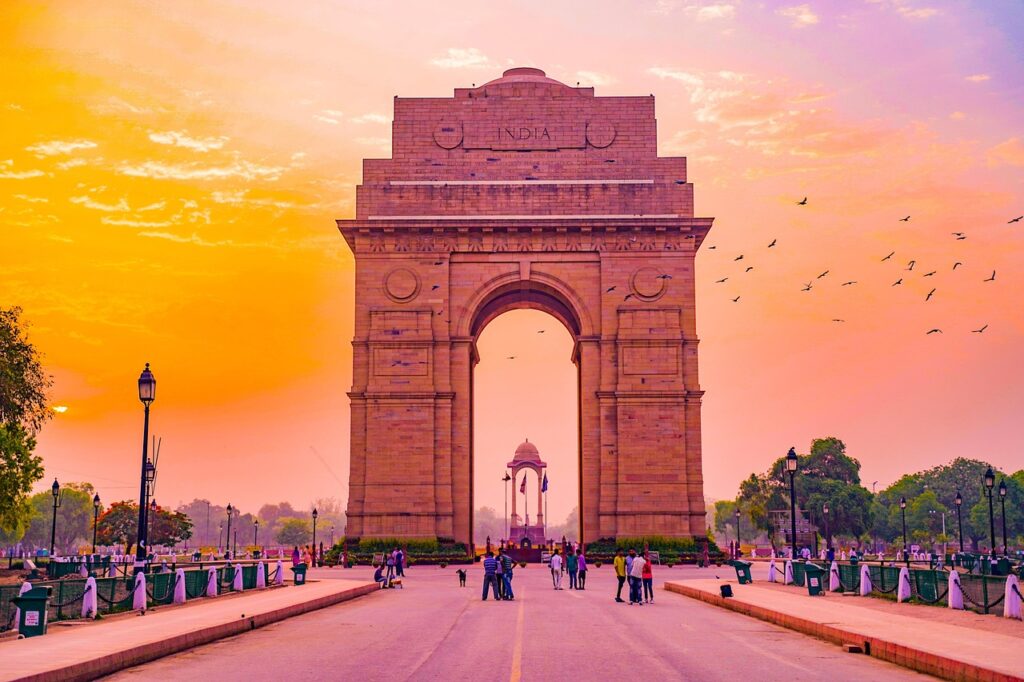
Delhi is a city where the past meets the present in harmony. On one hand, you can admire historic landmarks such as the Red Fort, Qutub Minar, and India Gate, while on the other hand, you have gleaming skyscrapers, high-tech metro systems, and modern business hubs.

This unique balance of heritage and progress makes Delhi not just a place to live but also a place to experience life at its fullest. Unlike many other states, Delhi offers both cultural depth and urban convenience.


2. World-Class Infrastructure

image Source :Pexels

If you’re looking for the best state to live in India with modern infrastructure, Delhi wins hands down. The city boasts well-connected roads, flyovers, expressways, and one of the most efficient metro networks in Asia.

  • Delhi Metro: Safe, clean, and extremely affordable. It connects every corner of the city.
  • Air Connectivity: Indira Gandhi International Airport is one of the busiest and best airports in the world.
  • Roads and Highways: Delhi’s wide roads and expressways ensure smooth travel within the city and to nearby states.

For professionals, students, and families alike, Delhi’s infrastructure makes daily life convenient and stress-free.


3. Employment and Business Opportunities

Street, Image Source : Pexels

When it comes to career growth, Delhi is the best state to live in India for job seekers and entrepreneurs. As the capital, it is home to top government offices, multinational corporations, startups, and countless small businesses.

  • Government jobs and private sector opportunities are abundant.
  • Areas like Gurgaon and Noida (NCR) are booming IT and corporate hubs.
  • The city offers immense potential for entrepreneurs with thriving markets and business-friendly policies.

Simply put, if you’re looking for career advancement and financial stability, Delhi is unmatched.


4. Best Education Facilities

Pic for Representation Purpose Only , Image Source :Pexels

Delhi is often called the education capital of India. It houses some of the finest schools, colleges, and universities in the country.

  • Delhi University (DU) and Jawaharlal Nehru University (JNU) are globally recognized.
  • Premium private schools, international schools, and coaching institutes make Delhi the first choice for parents.
  • Professional and skill development courses are widely available.

For families planning their children’s future, Delhi is the best state to live in India for education.


5. Healthcare Excellence

Pic for Representation Purpose Only ,
Image Source :Pexels

When choosing where to settle, healthcare is a major factor—and Delhi excels here too. The city has world-class hospitals, clinics, and healthcare centers equipped with modern technology and highly qualified doctors.

  • AIIMS, Fortis, Max, and Apollo are just some of the leading names.
  • Affordable government hospitals ensure healthcare for all.
  • 24/7 emergency care and advanced medical facilities provide peace of mind.

Delhi offers healthcare that rivals the best in the world, making it an ideal city for both young families and elderly residents.


6. Shopping and Lifestyle

Pic for Representation Purpose Only , Image Source :Pexels

If you love shopping, Delhi is heaven! From luxury malls like Select Citywalk and DLF Emporio to street shopping paradises like Sarojini Nagar and Chandni Chowk, Delhi has it all.

Beyond shopping, cafes, fine dining restaurants, pubs, and food streets make the city a foodie’s dream. Delhi’s lifestyle is energetic, cosmopolitan, and diverse—perfect for people of all age groups.


7. Cultural and Social Life

Pic for Representation Purpose Only , Image Source :Pexels

Delhi is a melting pot of cultures. People from every state of India call Delhi their home, which means you get to experience all cultures, festivals, and cuisines in one place.

  • Festivals like Diwali, Holi, Eid, and Christmas are celebrated with equal enthusiasm.
  • Cultural events, art exhibitions, music concerts, and theater performances are frequent.
  • Social opportunities and networking are endless.

This cultural richness makes Delhi the best state to live in India if you love diversity.


8. Connectivity to the Rest of India

New Delhi Railway Station , Image Source : Pexels

Another major reason why Delhi is the best place to live in India is its unbeatable connectivity. Being the capital, it serves as the gateway to the entire country.

  • Direct trains and flights connect Delhi to almost every city in India.
  • Road trips to nearby hill stations like Manali, Shimla, and Mussoorie are easily accessible.
  • Weekend getaways to Rajasthan, Agra, or Uttarakhand are just hours away.

Living in Delhi means you are always well-connected for work, travel, and leisure.


9. Safety and Security Improvements

Over the years, Delhi has significantly improved in terms of safety and security. With advanced CCTV networks, women-only metro coaches, and stricter law enforcement, the city is becoming safer every day. Gated communities and modern housing societies further add to secure living.


10. A City of Dreams

Pic for Representation Purpose Only , Image Source :Pexels

What makes Delhi truly the best state to live in India is its spirit. It’s a city of dreams where millions come with ambition, and countless succeed. It offers opportunities, lifestyle, and memories like no other place. Whether you are a student, working professional, or family person, Delhi adapts to your needs and helps you thrive.


So, the answer…..

So, when it comes to choosing the best state to live in India, the answer is simple: Delhi. From world-class infrastructure, career opportunities, and education to vibrant lifestyle, cultural diversity, and unmatched connectivity, Delhi has it all.

Living in Delhi is not just about having an address in the capital—it’s about experiencing the heart and soul of India every day. If you’re planning to settle down or relocate, remember: Delhi is not just a city; it’s the best place to call home.

Also Read : How to Plan Multi-Country Trips: Visa Overlaps, Transit Rules & Visa Strategy

Long-Stay Visas : Countries Offering 90 or 180 Days Visas !

Digital Nomad Visas: Where They Are, How to Apply & Cost

Best Foods to Try in Tokyo: A Local’s Guide to Must-Eat Dishes

7-Day Japan Itinerary with JR Pass: Save Money & Time

New Delhi Rajdhani Express Train Launched from Sairang to New Delhi: A New Era of Connectivity

Finland Opens Doors to Indians: Visa, Permanent Residency & Requirements Explained

Jeera Water vs Chia Seeds: Which is Better for Weight Loss?

Jeera Water , Image Source : sharmispassions.com

When it comes to natural remedies for weight loss, two names often top the list—jeera water (cumin seed water) and chia seeds. Both are simple, affordable, and packed with nutrients that support digestion, metabolism, and fat burning. But if your goal is to shed extra kilos, you may wonder: Jeera water vs chia seeds—which is better for weight loss?

In this blog, we’ll explore the benefits, nutritional profiles, and weight-loss potential of both, so you can make the best choice for your health journey.


Jeera Water vs Chia Seeds: Which is Better for Weight Loss?

What is Jeera Water?

Jeera Water , Image Source : Shutterstock

Jeera (cumin) is a spice commonly used in Indian cooking, but when soaked overnight and consumed as water, it becomes a detoxifying drink.

  • How it works: Soaking cumin seeds releases antioxidants and essential oils into the water. Drinking it on an empty stomach helps improve digestion and boosts metabolism.
  • Nutritional value: Cumin seeds are rich in iron, antioxidants, and compounds that improve gut health. A teaspoon of jeera has about 7 calories and trace amounts of protein and fiber.

Benefits of Jeera Water for Weight Loss

  1. Boosts metabolism: Cumin helps the body burn calories more efficiently.
  2. Improves digestion: It reduces bloating and promotes smoother digestion.
  3. Controls appetite: Drinking jeera water before meals may reduce cravings.
  4. Detox effect: Flushes out toxins, keeping the body light and energized.

Verdict: Jeera water works as a natural metabolism booster and appetite suppressant, making it effective for those who struggle with overeating. Jeera Water Recipe


What are Chia Seeds?

Chia Seeds, image Source : Amazon.in

Chia seeds are tiny black seeds packed with fiber, protein, omega-3 fatty acids, and antioxidants. When soaked in water, they form a gel-like texture, making them a filling superfood.

  • How it works: Chia seeds expand in the stomach, creating a sense of fullness that helps prevent overeating.
  • Nutritional value: Two tablespoons (28g) of chia seeds contain around 140 calories, 10g fiber, 5g protein, and 9g fat (mostly healthy fats).

Benefits of Chia Seeds for Weight Loss

Chia Seed Lemonade, Image Source : sharmispassions.com
  1. High in fiber: Keeps you fuller for longer and reduces calorie intake.
  2. Protein-packed: Supports muscle repair and boosts metabolism.
  3. Low-carb friendly: Ideal for keto or low-carb diets.
  4. Stabilizes blood sugar: Prevents sudden spikes and crashes in energy.

Verdict: Chia seeds act as a filling, nutrient-rich snack that can replace high-calorie foods while keeping you satisfied.


Jeera Water vs Chia Seeds: A Comparison

AspectJeera WaterChia Seeds
Calories~7 per teaspoon~140 per 2 tbsp
NutrientsIron, antioxidants, digestive compoundsFiber, protein, omega-3, antioxidants
Digestive benefitsReduces bloating, boosts gut healthImproves bowel movement, prevents constipation
SatietyMild appetite controlStrong appetite suppressant due to fiber
Ease of preparationJust soak and drinkSoak for a few hours, can be added to meals
Best forQuick metabolism boost & detoxLong-lasting fullness & nutrient density

Which is Better for Weight Loss?

The answer depends on your weight-loss goals and lifestyle:

  • Choose Jeera Water if:
    • You want a low-calorie detox drink.
    • You suffer from bloating or indigestion.
    • You prefer something light to kickstart your day.
  • Choose Chia Seeds if:
    • You need a filling meal replacement or snack.
    • You want more protein and fiber in your diet.
    • You follow a low-carb or high-protein plan.

Balanced Approach: For maximum benefits, you don’t need to choose one over the other. Many nutritionists recommend jeera water in the morning and chia seeds during meals or snacks. Together, they provide detox, digestion, satiety, and sustained energy—all essential for healthy weight loss.


How to Use Them Effectively

Jeera Water Recipe

  1. Soak 1–2 teaspoons of cumin seeds in a glass of water overnight.
  2. Strain and drink on an empty stomach the next morning.
  3. Optional: Add lemon juice or honey for taste.

Chia Seeds Recipe

  1. Soak 1–2 tablespoons of chia seeds in water or milk for 30 minutes (or overnight).
  2. Add them to smoothies, yogurt, or salads.
  3. Optional: Mix with fruits for a healthy pudding.

Common Mistakes to Avoid

  • Overusing chia seeds: Excess fiber can cause bloating if consumed in large amounts. Stick to 2 tablespoons daily.
  • Expecting overnight results: Neither jeera water nor chia seeds work like magic. They should be combined with a balanced diet and exercise.
  • Adding sugar: Avoid mixing jeera water or chia seeds with sugary juices—it cancels out the weight-loss benefits.

THE CONCLUSION!

So, Jeera Water vs Chia Seeds: Which is better for weight loss? Both have unique benefits. Jeera water is light, detoxifying, and metabolism-boosting, while chia seeds provide long-lasting fullness, protein, and fiber. Instead of picking one, you can combine them for a holistic approach to weight management.

By starting your morning with jeera water and incorporating chia seeds into snacks or meals, you’ll harness the best of both worlds—better digestion, reduced cravings, improved metabolism, and sustainable weight loss.

Also Read : 7 Things to Borrow from Japanese Culture to Never Get Fat

5 High-Protein Food Alternatives to Eggs for a Healthy Diet

How Much Should You Weigh for Your Height?

What Happens to Your Body When You Cut Sugar From Your Diet for 30 Days

What Happens to Your Body When You Cut Sugar From Your Diet for 30 Days, image source : Pexels

Sugar is one of the most addictive ingredients in the modern diet. From soft drinks and packaged snacks to sauces and even bread, sugar finds its way into almost everything we eat. While a little natural sugar from fruits or dairy is fine, the problem lies in added and refined sugars. Consuming too much of it can lead to weight gain, diabetes, heart disease, and even mood swings.

But have you ever wondered what happens to your body when you cut sugar from your diet for 30 days? The transformation can be remarkable. From improving your energy to balancing your mood, ditching sugar can have both short-term and long-term benefits. Let’s break it down week by week and see what changes you can expect.


What Happens to Your Body When You Cut Sugar From Your Diet for 30 Days

Week 1: Withdrawal and Cravings

When you first cut sugar, your body goes through withdrawal—similar to giving up caffeine or smoking.

  • Cravings spike: You may feel intense cravings for sweets, chocolates, or carbs because your brain is used to dopamine surges from sugar.
  • Headaches and fatigue: Some people report headaches, irritability, or low energy as the body adjusts.
  • Mood swings: Since sugar affects serotonin levels, you may feel more irritable during the first few days.

Don’t worry—these are temporary. Drinking plenty of water, eating protein-rich foods, and consuming healthy fats can help reduce sugar cravings.


Week 2: Energy Levels Begin to Stabilize

By the second week, your body starts to adjust to a low-sugar lifestyle.

  • Steadier energy: Without sugar spikes and crashes, your energy levels stay more consistent throughout the day.
  • Better sleep: Many people report falling asleep faster and enjoying deeper sleep.
  • Improved digestion: Reducing sugary and processed foods allows your gut to recover, leading to less bloating and better digestion.

At this stage, your brain fog begins to clear, and you may notice that you’re more productive and alert.


Week 3: Visible Physical Changes

In the third week, you start seeing noticeable differences in your body.

  • Weight loss: Cutting out sugary snacks, desserts, and drinks reduces calorie intake, leading to weight loss—especially around the belly.
  • Healthier skin: Sugar contributes to acne and premature aging. Without it, your skin may look clearer, smoother, and more radiant.
  • Reduced inflammation: High sugar intake is linked to inflammation, which can cause joint pain and other health issues. After three weeks, you may feel less stiffness or discomfort.

This is usually the point where people feel motivated to continue because the physical benefits become visible.


Week 4: Long-Term Benefits Kick In

By the end of 30 days without sugar, your body undergoes significant positive changes.

  • Better blood sugar control: Your insulin sensitivity improves, lowering the risk of type 2 diabetes.
  • Improved heart health: Cutting sugar reduces triglycerides, blood pressure, and harmful cholesterol.
  • Stronger immunity: Excess sugar suppresses immune function. With less sugar, your body can fight infections more effectively.
  • Improved taste buds: After a month, natural foods like fruits taste sweeter, and you no longer crave overly processed desserts.

Essentially, your body begins to reset, and you gain control over your eating habits.


The Psychological Impact

It’s not just your body that benefits—your mind does too. Many people who cut sugar for 30 days report:

  • Reduced anxiety and mood swings
  • Better focus and memory
  • More confidence due to weight loss and improved health

Since sugar affects brain chemistry, removing it helps stabilize your mental well-being.


What You Can Eat Instead of Sugar

Quitting sugar doesn’t mean you can’t enjoy sweet flavors. Here are some healthy alternatives:

  1. Fruits: Naturally sweet and packed with fiber, vitamins, and minerals.
  2. Honey (in moderation): A natural sweetener with antioxidants.
  3. Dates: A great alternative for baking or snacking.
  4. Stevia or monk fruit: Low-calorie natural sweeteners without harmful effects.

The key is moderation—these options are healthier than refined sugar but should not be consumed in excess.


Tips for Cutting Sugar Successfully

  • Read labels: Sugar hides under names like sucrose, corn syrup, and fructose.
  • Avoid sugary drinks: Soda, packaged juices, and energy drinks are sugar bombs.
  • Cook at home: Homemade meals help you control sugar intake.
  • Eat more protein and fiber: These keep you full and reduce cravings.
  • Be patient: Cravings subside within 2–3 weeks.

Final Thoughts

So, what happens to your body when you cut sugar from your diet for 30 days? The results are truly life-changing. In the first week, you may struggle with cravings and fatigue, but by the end of the month, you’ll likely experience weight loss, glowing skin, improved energy, better sleep, and stronger immunity.

Cutting sugar is not just about dieting—it’s about reclaiming control over your health. If you’re serious about improving your lifestyle, challenge yourself to 30 days without sugar. You may find that you don’t even miss it once you see the benefits.

Also Read : Bedroom Secrets: The One Kink Millions of Women Crave but Never Admit

7 Things to Borrow from Japanese Culture to Never Get Fat

5 High-Protein Food Alternatives to Eggs for a Healthy Diet

How Much Should You Weigh for Your Height?

How Much Should You Weigh for Your Height, image source : Pexels

One of the most common health questions people ask is: “How much should I weigh for my height?” While the answer isn’t the same for everyone, there are scientific ways to determine a healthy weight range. Factors like age, gender, muscle mass, and body composition all play a role, but height remains one of the most reliable indicators when calculating an ideal weight.

In this blog, we’ll explore different methods to determine the right weight for your height, why it matters, and how you can achieve a healthy balance.


How Much Should You Weigh for Your Height?

Why Does Weight Depend on Height?

How Much Should You Weigh for Your Height , image source : Pexels

Your height influences your body’s frame size and overall structure. A taller person naturally requires more weight for proper functioning compared to someone shorter. However, simply being tall or short doesn’t determine whether you’re healthy—what matters is whether your weight is proportionate to your height.

Carrying extra weight can lead to obesity-related conditions like diabetes, heart disease, and joint problems. Being underweight can also weaken your immune system and reduce muscle strength. Knowing your ideal weight for height helps maintain overall health and prevent lifestyle diseases.


Methods to Determine Ideal Weight for Height

1. Body Mass Index (BMI)

BMI Chart , Image Source : Prof. Dr. Taylan AKGÜN

The most commonly used method is BMI (Body Mass Index), which calculates weight relative to height.

  • Formula:
    BMI = Weight (kg) ÷ Height² (m²)
  • BMI Categories:
    • Underweight: Below 18.5
    • Normal weight: 18.5 – 24.9
    • Overweight: 25 – 29.9
    • Obese: 30 and above

For example, if you are 1.70m (5’7”) tall and weigh 65kg, your BMI would be:
65 ÷ (1.7 × 1.7) = 22.5 → Normal weight.

👉 While BMI is useful, it doesn’t distinguish between fat and muscle. A muscular athlete may appear “overweight” by BMI standards, even if they are healthy.


2. Weight-for-Height Chart

A weight chart based on height gives a quick reference for an average healthy range.

How Much Should You Weigh for Your Height , image source : Pexels
Height (cm)Healthy Weight Range (kg)
150 cm (4’11”)43 – 56 kg
160 cm (5’3”)50 – 63 kg
170 cm (5’7”)56 – 72 kg
180 cm (5’11”)63 – 80 kg
190 cm (6’3”)72 – 90 kg

👉 These ranges vary depending on gender and body frame size but provide a general guideline for how much you should weigh for your height.


3. Waist-to-Height Ratio

How Much Should You Weigh for Your Height , image source : Pexels

Recent studies suggest that waist-to-height ratio is an even better predictor of health than BMI.

  • Formula:
    Waist circumference ÷ Height
  • Ideal range: Your waist should be less than half your height.

Example: If you are 170 cm tall, your waist should ideally be less than 85 cm. This method focuses on belly fat, which is linked to heart disease and diabetes.


Factors That Affect Ideal Weight

Even if charts and formulas provide a range, your ideal weight may vary depending on:

  1. Gender – Women generally have more body fat, while men have higher muscle mass.
  2. Age – As we age, metabolism slows down, making weight harder to maintain.
  3. Body frame size – A person with a larger bone structure may weigh more but still be healthy.
  4. Muscle mass – Athletes may weigh more due to muscle but still be within a healthy range.

👉 This means that “one size fits all” doesn’t apply when asking how much you should weigh for your height.


Why Knowing Your Healthy Weight Matters

Maintaining the right weight has multiple benefits:

  • Reduces risk of chronic diseases (diabetes, hypertension, heart disease).
  • Improves mobility, energy levels, and joint health.
  • Supports mental well-being and confidence.
  • Enhances sleep quality and overall lifestyle.

Simply put, staying within your ideal weight for height is one of the most effective ways to live longer and healthier.


How to Reach Your Ideal Weight

  1. Balanced Diet
    • Eat whole grains, lean proteins, healthy fats, fruits, and vegetables.
    • Limit processed foods, refined sugar, and excess salt.
  2. Regular Exercise
    • Aim for at least 150 minutes of moderate activity per week.
    • Include strength training to build muscle and boost metabolism.
  3. Hydration
    • Drink at least 8–10 glasses of water daily to aid digestion and metabolism.
  4. Quality Sleep
    • Poor sleep increases hunger hormones and leads to weight gain. Aim for 7–8 hours nightly.
  5. Consistency
    • Sustainable lifestyle changes matter more than crash diets or quick fixes.

Common Myths About Weight and Height

  • Myth 1: Thin means healthy. Being underweight can be as harmful as being overweight.
  • Myth 2: Everyone with the same height should weigh the same. Body composition, muscle mass, and genetics play a huge role.
  • Myth 3: BMI is always accurate. BMI is a guideline, not a perfect measurement—it doesn’t account for muscle vs. fat.

The Answer!!!

So, how much should you weigh for your height? The answer depends on multiple factors, but tools like BMI, weight-for-height charts, and waist-to-height ratio give you a reliable range to aim for.

Instead of obsessing over a single number on the scale, focus on maintaining a healthy lifestyle, balanced nutrition, and regular activity. Your body weight should make you feel energetic, confident, and healthy—not just fit into a chart.

Remember, the ultimate goal isn’t to be “skinny” but to be fit and healthy for your unique height and body type.

Also Read : Bedroom Secrets: The One Kink Millions of Women Crave but Never Admit

7 Things to Borrow from Japanese Culture to Never Get Fat

5 High-Protein Food Alternatives to Eggs for a Healthy Diet

How to Plan Multi-Country Trips: Visa Overlaps, Transit Rules & Visa Strategy

Planning a multi-country trip across Europe, the Middle East, and Asia? Learn how to manage visa overlaps, transit rules, and smart visa strategies to make your travel seamless and stress-free.

How to Plan Multi-Country Trips: Visa Overlaps, Transit Rules & Visa Strategy , image source : Pexels

The Rising Trend of Multi-Country Travel

The world is seeing a surge in multi-destination travel, with travelers combining countries in Europe, the Middle East, and Asia for longer, more immersive trips. Whether it’s a “Euro + Middle East + Asia tour” or a regional multi-country circuit, the idea is simple: maximize your experience while minimizing logistics headaches.

However, this type of travel comes with unique challenges, especially regarding visas, transit rules, and entry requirements. A trip spanning multiple regions requires careful planning, because each country has its own policies regarding tourist entry, duration of stay, and visa overlaps.


How to Plan Multi-Country Trips: Visa Overlaps, Transit Rules & Visa Strategy

How to Plan Multi-Country Trips , image source : Pexels

Understanding Visa Overlaps

Visa overlaps occur when the validity or duration of one visa affects your entry into another country. For example:

  • Schengen Zone: A 90-day tourist visa in Europe counts cumulatively across 26 countries. If you spend 50 days in France, you can only spend 40 days in Italy, Germany, or Spain within the same 180-day period.
  • Middle East: Some countries, like the UAE or Qatar, offer 30- or 90-day tourist visas. If your previous visa is still valid, or if you’ve recently overstayed in a neighboring country, you may face restrictions or additional scrutiny.
  • Asia: Countries like Thailand, Vietnam, or India have specific entry rules and may not allow visa runs back-to-back without sufficient documentation.

Pro Tip: Always check cumulative stay rules in multi-country regions like Europe, where multiple countries share a visa system.


Transit Rules: What Travelers Often Overlook

How to Plan Multi-Country Trips , image source : Pexels

Transit rules can make or break your itinerary. Key points include:

  • International Airport Transit: Some countries allow you to transit without a visa if you stay in the airport’s international zone. Others require a transit visa, especially in countries like Russia, India, or China.
  • Connecting Flights: Check if your layover airport requires passing through immigration. Some airports mandate clearing customs, which could require a visa even if you’re only transferring.
  • Multi-Airline Itineraries: Booking different airlines can complicate transit requirements, as each carrier may have its own rules for passenger documentation.

Example: A traveler flying from Paris → Dubai → Bangkok may need a UAE transit visa if their layover exceeds 24 hours or if they switch terminals.


Strategic Visa Planning

When planning multi-country trips, adopting a visa-strategy mindset is essential:

1. Prioritize Countries by Entry Ease

Start with countries offering visa-on-arrival or e-visa options. For example, UAE, Thailand, and Turkey provide simplified entry procedures for many nationalities.

2. Map Out Duration vs Validity

Align your trip duration with visa validity. For the Schengen Zone, ensure your total stay across all 26 countries doesn’t exceed 90 days within 180 days. In Asia, check if consecutive visa runs are allowed.

3. Apply Early & Check Overlaps

Apply for visas in advance, especially for countries requiring consular approval. Ensure visa dates do not overlap in conflicting ways, as some countries may reject entry if a traveler is still on a valid visa from a previous country with restrictive rules.

4. Consider Multiple Entry Visas

For regions like the Middle East or Southeast Asia, a multiple-entry visa can save time and money. It allows you to leave and re-enter the country without needing a new visa each time.

5. Use Digital Tools for Planning

Apps like Sherpa, VisaHQ, and IATA Travel Centre help track visa requirements, expiration dates, and transit rules. They’re especially useful for multi-country trips spanning continents.


Common Multi-Country Travel Challenges

How to Plan Multi-Country Trips , image source : Pexels
  1. Visa Denials Due to Prior Travel – Some countries reject travelers who recently visited politically sensitive regions.
  2. Short Transit Windows – Insufficient layover time can create last-minute issues if customs or security delays occur.
  3. Document Requirements – Some countries require proof of onward travel, hotel bookings, or travel insurance. Multi-country trips must organize these in advance.
  4. Cost and Logistics – Multiple visas can be expensive. Planning in clusters (e.g., all Schengen countries together) helps reduce costs.

Sample Multi-Country Trip Strategy: Europe + Middle East + Asia

How to Plan Multi-Country Trips , image source : Pexels

Step 1: Begin in Europe on a Schengen Visa (e.g., France → Italy → Spain).
Step 2: Transit via the Middle East (e.g., Dubai or Doha) using a transit visa or e-visa.
Step 3: Enter Asia (e.g., Thailand → Vietnam → India) using e-visa or visa-on-arrival programs.

Key tips:

  • Ensure flight connections allow adequate buffer for transit immigration.
  • Keep multiple sets of travel documents ready.
  • Avoid backtracking across regions that may trigger entry denial due to prior visa or stay history.

Multi-country travel across Europe, the Middle East, and Asia is becoming increasingly popular, but it requires strategic planning, awareness of visa overlaps, and transit regulations. By prioritizing countries with easier entry requirements, mapping visa validity against trip duration, and using digital tools to track requirements, travelers can enjoy extended itineraries without unnecessary complications.

With rising interest in multi-destination travel, understanding visa strategy, transit rules, and entry documentation is essential. A well-planned trip ensures you focus on exploring and enjoying your journey rather than dealing with last-minute visa issues.

Also Read :  Digital Nomad Visas: Where They Are, How to Apply & Cost

Cheapest Countries to Visit from India in 2025 – Budget Travel Guide !

59 Visa Free Countries for Indian Passport 2025

Finland Opens Doors to Indians: Visa, Permanent Residency & Requirements Explained

New Delhi Rajdhani Express Train Launched from Sairang to New Delhi: A New Era of Connectivity

7-Day Japan Itinerary with JR Pass: Save Money & Time

Best Foods to Try in Tokyo: A Local’s Guide to Must-Eat Dishes

Best App to Pay Credit Card Bill for Cashback in 2025

Looking for the best app to pay credit card bills with cashback? Discover India’s top apps like CRED, Paytm, Amazon Pay, and PhonePe that reward you with cashback, points, and vouchers.

Why use apps to pay credit card bills?

Paying your credit card bill is a monthly necessity, but did you know you can earn cashback, reward points, and vouchers simply by choosing the right app? In India, several fintech platforms incentivize users by giving back rewards every time you clear your dues. This makes bill payment not just a responsibility, but also a money-saving opportunity.

Best App to Pay Credit Card Bill for Cashback in 2025


1. CRED – Rewards + Cashback

Best App to Pay Credit Card Bill for Cashback in 2025 : image source : Pexels
  • USP: Known as the most popular app for credit card bill payments.
  • Benefits:
    • CRED coins for every payment.
    • Coins redeemable for cashback, gift cards, and premium deals.
    • Flash rewards and lucky draws for high-value bill payments.
  • Best for: Credit card users with multiple cards who want exclusive rewards.

2. Paytm – Instant Cashback Offers

Best App to Pay Credit Card Bill for Cashback in 2025 : image source : Pexels
  • USP: Wide acceptability and integration with UPI, wallet, and bank accounts.
  • Benefits:
    • Cashback vouchers on select card payments.
    • Paytm First members often get extra rewards.
    • Runs seasonal promotions (festivals, end-of-month bonuses).
  • Best for: Users already on Paytm ecosystem (wallet, shopping, recharge).

3. Amazon Pay – Rewards on Bill Payments

Best Apps to Pay Credit Card Bills for Cashback : image source : Pexels
  • USP: Integrated with Amazon shopping and Prime offers.
  • Benefits:
    • Amazon Pay cashback balance for future shopping.
    • Extra rewards for Prime members.
    • Often clubbed with Amazon Pay UPI promotions.
  • Best for: Regular Amazon shoppers.

4. PhonePe – Cashback + Scratch Cards

Best Apps to Pay Credit Card Bills for Cashback : image source : Pexels
  • USP: Popular UPI app with credit card bill payment option.
  • Benefits:
    • Scratch cards with cashback rewards.
    • Linked offers with PhonePe wallet or merchant discounts.
    • Runs frequent campaigns with guaranteed cashback.
  • Best for: UPI-first users looking for quick cashback.

5. Mobikwik – SuperCash & Offers

Best Apps to Pay Credit Card Bills for Cashback : image source : Pexels
  • USP: Smaller but reward-heavy app for bill payments.
  • Benefits:
    • SuperCash offers on card bill payments.
    • Attractive first-time user benefits.
    • Partnerships with banks for instant discounts.
  • Best for: People looking for alternative cashback options.

To sum up, the best app to pay credit card bill for cashback varies by preference. CRED is ideal for premium rewards, Paytm and PhonePe are great for instant cashback, while Amazon Pay benefits regular shoppers. Even Mobikwik stands out with SuperCash and bank offers. Whichever app you choose, paying on time through these platforms not only earns rewards but also strengthens your credit score. With growing fintech competition in 2025, users can expect bigger cashback deals and seasonal promotions. So, turn your routine bill payment into a smart, money-saving opportunity every month.


Pros of Paying via Cashback Apps

✅ Earn cashback or rewards on a mandatory expense.
✅ Get reminders and auto-pay features to avoid late fees.
✅ Access to vouchers, discounts, and exclusive deals.

Cons to Keep in Mind

⚠ Cashback/rewards often come in the form of coupons, not direct money.
⚠ Offers change frequently — always check active promotions.
⚠ Some apps have a minimum bill payment limit to unlock rewards.


Tips to Maximize Cashback on Credit Card Bill Payments

  • Check app offers before paying: Each month, apps rotate promotions.
  • Split bills smartly: If allowed, split across apps to maximize rewards.

  • Use linked UPI/Wallets: Many cashback offers require payment via UPI or specific wallets.
  • Leverage festivals & sales: Apps push extra cashback during Diwali, New Year, Independence Day etc.

Which is the Best App?

  • If you want exclusive luxury rewards → CRED
  • If you prefer direct cashback → Paytm or PhonePe
  • If you shop often on Amazon → Amazon Pay
  • If you want variety → Mobikwik

👉 The best app depends on your lifestyle. If you’re after vouchers and premium rewards, go with CRED. If you prefer straightforward cashback, Paytm and PhonePe work best.

Also : No 1 Apps with Best Reward for Paying the Credit Card Bill in India?

Digital Nomad Visas: Where They Are, How to Apply & Cost

Cheapest Countries to Visit from India in 2025 – Budget Travel Guide !

59 Visa Free Countries for Indian Passport 2025

Finland Opens Doors to Indians: Visa, Permanent Residency & Requirements Explained

New Delhi Rajdhani Express Train Launched from Sairang to New Delhi: A New Era of Connectivity

7-Day Japan Itinerary with JR Pass: Save Money & Time

Best Foods to Try in Tokyo: A Local’s Guide to Must-Eat Dishes

Best Foods to Try in Tokyo: A Local’s Guide to Must-Eat Dishes

No 1 Apps with Best Reward for Paying the Credit Card Bill in India?

7-Day Japan Itinerary with JR Pass: Save Money & Time

New Delhi Rajdhani Express Train Launched from Sairang to New Delhi: A New Era of Connectivity

Royal Enfield 125cc 2025: Price, Features, and Launch Details

Long-Stay Visas : Countries Offering 90 or 180 Days Visas !

Thinking of a slow-travel escape? This guide lists countries that permit tourist stays longer than 90 days (or up to 180 days), explains long-stay vs residence visas, covers pros/cons, and shows how to qualify and extend your stay legally.

Long-Stay Visas , image source : Pexels

Why long-stay visas matter right now ?

More travellers want to slow-travel, work remotely, or test a new country before relocating. Governments have responded with flexible tourist permits, dedicated long-stay programs, and new “digital nomad” or long-term resident (LTR) visas that let visitors stay well beyond the usual 90-in-180 Schengen rule. Below are real options to consider.


Long-Stay Visas : Countries Offering 90 or 180 Days Visas !

Mexico — visitor permit up to 180 days
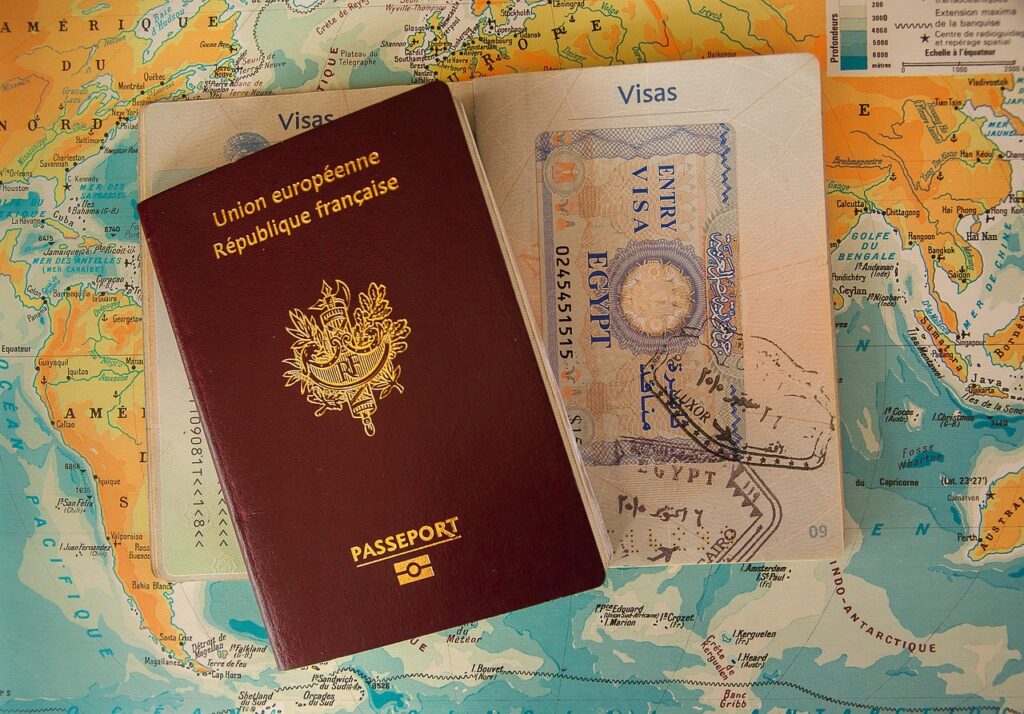
Mexico City , Long-Stay Visas , image source : Pexels

Mexico’s visitor permit (FMM) can be issued for up to 180 calendar days for tourism and short courses (no paid work). The exact number is discretionary at the border but 180 days is widely granted. This makes Mexico one of the most travel-friendly long-stay options in the Americas.

Panama — many nationals can stay up to 180 days

Panama Canal , Long-Stay Visas , image source : Pexels

Panama offers tourist stays up to 180 days for many passport holders (notably including U.S. and Canadian travellers under a 2021 resolution), though rules can vary by nationality and are strictly enforced at entry. Always confirm before travel and ensure you receive a stamped entry record.

Indonesia — B211A / Visit visa routes up to 180 days

Indonesia, Long-Stay Visas , image source : Pexels

Indonesia’s B211A (social-cultural / visit) visa and some tourist/visit visa arrangements allow extensions in increments and can permit a total stay of up to 180 days (extensions typically in 60-day blocks). Rules and entry options changed since 2022–2024, so check the latest Indonesian immigration guidance prior to travel.

Maldives & Sri Lanka — flexible 30→90 / 30→90 options

Maldives & Sir Lanka , Long-Stay Visas , image source : Pexels

Island destinations like the Maldives typically grant 30-day visas on arrival that are extendable (often up to 90 days total). Sri Lanka’s ETA can also allow tourist stays up to 90 days depending on visa type and nationality. These are great for longer tropical vacations but are not 180-day solutions.

Thailand — standard tourist vs LTR / digital-nomad routes

Thailand , Long-Stay Visas , image source : Pexels

Thailand’s normal tourist visa regime is still based on shorter stays (30–90 days with extensions), but Thailand introduced the Long-Term Resident (LTR) Visa and several long-stay options (targeting retirees, investors, skilled professionals, and digital nomads) that can grant multi-year privileges (including 10-year LTR categories under specific eligibility). These are not “on-arrival” tourist stamps but formal long-stay entry visas.


Long-stay tourist permit vs residence visa — what’s the difference?

  • Extended tourist permit: Usually an entry stamp or visitor permit (e.g., Mexico 180 days, Panama up to 180 days). Not intended for long-term legal residency or paid employment.
  • Long-stay / residence visa: Formal visas (D visas, non-lucrative visas, D7, LTR, etc.) that let you live, sometimes work, or apply for residency—usually requiring proof of funds, insurance, background checks, and an application at consulates/embassies.

Which popular destinations are increasing visa durations?

  • Mexico & Panama: Actively used and in some cases clarified to allow 180-day visitor permits, attracting long-stay tourists and remote workers.
  • Southeast Asia: Countries such as Thailand have moved to diversify long-stay pathways (LTR, digital-nomad schemes). Indonesia has more flexible visit visa rules (B211A) that can reach 180 days with extensions.
  • Island nations (Maldives, Sri Lanka) have simplified or piloted longer short-term stays (usually up to 90 days) to boost tourism.

Pros & cons of long-stay tourist / long-term visas

Pros

  • More time to explore, work remotely, study, or “try living” in a country.
  • Lower visa-processing cost/time than full residency in many cases.
  • Legal protection and clarity if you follow rules (entry stamp, extensions).

Cons

  • Visitor permits usually prohibit local paid work—doing so can cause fines, deportation, or bans.
  • Overstays lead to penalties, fines, future entry bans, or deportation. Always check extension rules.
  • Long-stay residence visas usually require more documentation: proof of funds, health insurance, background checks.

How to qualify & practical tips

  1. Check official sources first — embassy or immigration websites for up-to-date rules (entry stamp length is often discretionary).
  2. Have return/exit proof — many countries require a return ticket or proof you can leave before the permitted stay ends.
  3. Show sufficient funds & insurance — especially for longer stays or residence visas. D7/Non-lucrative or LTR programs require documented income or assets.
  4. Apply for extensions before expiry — extensions often have lead-time windows and fees. Don’t overstay.
  5. Be honest about activities — volunteering vs paid work matters; paid work often needs a work permit/residence visa.
  6. Keep arrival stamps and stamped paperwork — immigration can challenge overstays without evidence of legal entry/extension.

Quick checklist before booking a long stay

  • Confirm max days permitted on arrival for your nationality.
  • Check extension rules, costs, and required documents.
  • Get travel health insurance covering the full period.
  • Know exit/entry stamp policy (you may need a stamp to prove entry).
  • If you plan to work, consult immigration about work/residence options.

Also Read : Digital Nomad Visas: Where They Are, How to Apply & Cost

Cheapest Countries to Visit from India in 2025 – Budget Travel Guide !

59 Visa Free Countries for Indian Passport 2025

Finland Opens Doors to Indians: Visa, Permanent Residency & Requirements Explained

New Delhi Rajdhani Express Train Launched from Sairang to New Delhi: A New Era of Connectivity

7-Day Japan Itinerary with JR Pass: Save Money & Time

Best Foods to Try in Tokyo: A Local’s Guide to Must-Eat Dishes

Digital Nomad Visas: Where They Are, How to Apply & Cost

Deep dive into countries offering nomad visas, a side-by-side look at duration, cost, benefits (tax, healthcare, remote-work permission) — plus trends and practical tips to pick the right program.

Digital Nomad Visas , image source : Pexels

Digital nomad visas have exploded in number: dozens of countries now offer remote-worker visas or special permits (especially across Europe and the Caribbean). Programs vary widely on length (months → multiple years), eligibility (income minimums, job type), fees and benefits (tax rules, access to healthcare, family inclusion). If you plan to move and work from abroad, compare income thresholds, health-insurance rules, and tax residency triggers before applying.


Why countries are launching nomad visas (trend)

Digital Nomad Visas , image source : Pexels

Governments see digital nomads as a low-risk source of tourism and foreign income, especially for cities with good internet and coworking scenes. The program count keeps rising as countries compete for remote workers who spend locally but don’t take local jobs — expect more launches and tweaks.


Who offers them (high-level)

Digital Nomad Visas : image source : Pexels

There isn’t one canonical list, but authoritative trackers show 40–70+ countries with some kind of remote-worker program in 2025 — from short visitor permits to multi-year residence visas. Popular regions: Europe (Spain, Portugal, Estonia, Georgia, Croatia, etc.), the Caribbean (Barbados, Antigua), parts of Latin America (Colombia, Costa Rica), and some Asian/Pacific experiments.


Quick comparison (examples & notable differences)

Country / ProgramTypical lengthIncome requirement (typical)Typical cost (application + fees)Notable benefits / caveats
Estonia (Digital Nomad Visa)up to 1 year (short/long types)~€3,500–4,500/month (varies by source/rule)State fee €80–€100 for visa types; other admin costs possible.Clear online process, good e-gov services; watch permit type.
Barbados (Welcome Stamp)12 monthsOften ≥ US$50,000 annual incomeProgram page lists official process (fee varies by year)Tropical lifestyle, tourism infrastructure; private health insurance is required.
Portugal (D7 / Digital Nomad options)Residence permit → renewablePassive income or remote income thresholds (varies)Combined visa + residence permit fees ~€200–€400 (official fees vary).Access to Portuguese health system after residency; attractive lifestyle & Schengen access for long-term holders.

Note: table is illustrative — exact income thresholds, permitted work definitions, and fees change frequently. Always check the official immigration page for the country you’re considering.


Taxes & healthcare — what to watch for

  • Tax residency: Many nomad visas allow you to live there but don’t automatically change your tax residency. However, spending more than a statutory number of days (often 183 days) or establishing a habitual abode can create tax obligations. Check double-tax treaties and local rules.
  • Healthcare: Some visas require private health insurance during your stay (Barbados, many EU countries), while others let you join national public systems only after formal residency. Budget for insurance if the program requires it.

How to apply — general step-by-step

Digital Nomad Visas , image source : Pexels
  1. Check official eligibility: income floor, allowed remote work (self-employed vs employed by foreign company), clean criminal record, passport validity.
  2. Gather documents: passport, employment/contract proof, bank statements, health insurance, accommodation proof, CV/portfolio.
  3. Apply online or at consulate: many countries accept online submissions; some require in-person consular appointments. (Estonia and many EU programs use e-forms; others require embassy visits.)
  4. Pay fees & wait: processing times differ — from a few weeks to a few months.
  5. Arrive, register locally: get residence card, local tax number, and health registration if applicable.

Cost ballpark (what you should budget)

Digital Nomad Visas , image source : Pexels

Application/processing fees vary enormously: under $100 in some countries to several hundred or a few thousand dollars in others (Caribbean programs can be pricier). Add translation/legalization, travel, health insurance, and possible lawyer fees. Sources tracking programs show a wide range — budget carefully and get the latest official fee list before applying.


Picking the right program — a checklist

Digital Nomad Visas , image source : Pexels
  • How long do you want to stay? (months vs years)
  • Does the income requirement match your reality? (monthly vs annual minimum)
  • Are you okay buying private health insurance?
  • Will you trigger tax residency where you currently live? (consult a tax advisor)
  • Family & dependents: can you bring them? (rules vary)
  • Cost & bureaucracy appetite: self-service online vs complex in-person process.

Practical tips & red flags

  • Tip: Keep clear documentation of where you earn income (country of employer/clients) and proof you didn’t enter local labor market.
  • Red flag: Programs that encourage you to pretend you’re a tourist while working locally — follow the rules to avoid fines or deportation.
  • Pro tip: Join nomad communities (country-specific Facebook groups, Nomad List, local coworking Slack) for up-to-date on-the-ground advice.

The future of nomad visas

Digital nomad visas are moving from novelty to mainstream immigration tools — governments keep iterating the rules (income floors, family rights, tax-specific tweaks). If location freedom matters to you, these programs open exciting choices — but always verify official government guidance before spending time/money

Also Read : Cheapest Countries to Visit from India in 2025 – Budget Travel Guide !

59 Visa Free Countries for Indian Passport 2025

Finland Opens Doors to Indians: Visa, Permanent Residency & Requirements Explained

New Delhi Rajdhani Express Train Launched from Sairang to New Delhi: A New Era of Connectivity

7-Day Japan Itinerary with JR Pass: Save Money & Time

Best Foods to Try in Tokyo: A Local’s Guide to Must-Eat Dishes