Category Archives: Health / Wellness

Causes of Floaters in Eye: Understanding Why They Appear and When to Seek Help

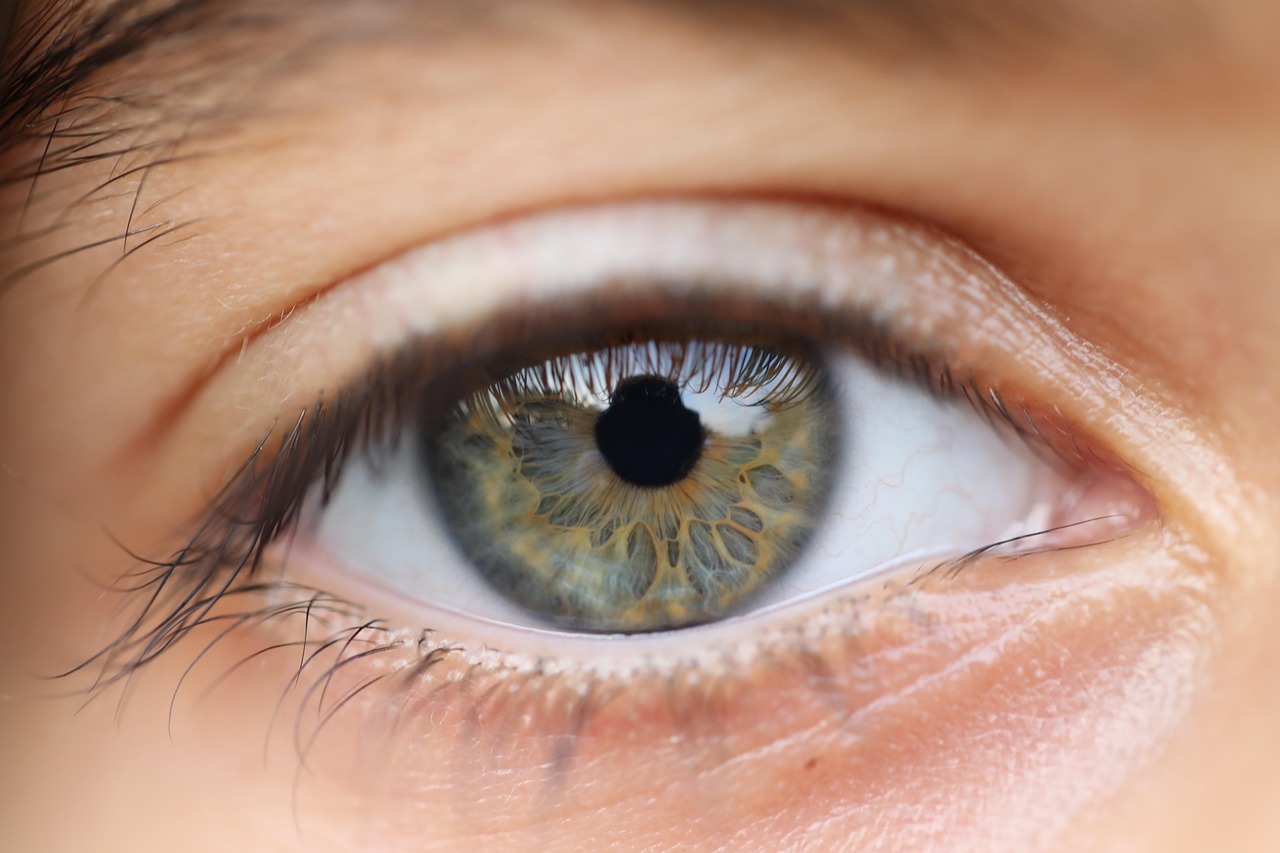
Causes of Floaters in Eye, pic for representation purpose only, image source : Pexels

If you have ever noticed tiny specks, cobweb-like strands, or small dark shapes drifting across your vision, you have likely experienced floaters in the eye. They may appear suddenly when looking at a bright background such as a blue sky or a white wall. While floaters are usually harmless and a part of the natural aging process, they can sometimes indicate an underlying eye condition that requires medical attention.

Causes of Floaters in Eye


What Are Eye Floaters?

Eye floaters are small clumps of cells or protein fibers inside the vitreous humor—the clear gel that fills the inside of your eye. These clumps cast shadows on your retina, which you perceive as floaters moving across your vision.

Floaters do not actually move outside the eye; instead, they drift within the vitreous and shift position when your eyes move. For most people, floaters are common and not usually dangerous. However, sudden appearance of many floaters, especially with flashes of light, can be a sign of a more serious issue.


Causes of Floaters in Eye

There are multiple reasons why floaters develop. Let’s look at the most common causes:

1. Natural Aging Process

One of the primary causes of floaters in the eye is the natural aging process. As we age, the vitreous gel inside the eye begins to shrink and liquefy. Small fibers clump together and form shadows on the retina, resulting in floaters. This process, known as posterior vitreous detachment (PVD), is common after the age of 50.

2. Eye Injuries or Trauma

An injury to the eye can cause bleeding or damage inside the vitreous, leading to floaters. Even minor trauma may result in floaters, though severe injuries carry a higher risk of vision problems.

3. Eye Surgery or Laser Treatments

People who undergo cataract surgery or certain types of laser eye treatments may develop floaters as a side effect. This is due to changes in the vitreous gel or disruption of the retinal tissue.

4. Inflammation (Uveitis)

Inflammation inside the eye, especially in the uvea (the middle layer of the eye), can cause floaters. This condition is called posterior uveitis, and it often results from infections, autoimmune diseases, or inflammatory disorders. The inflammatory cells create shadows in the vitreous that are perceived as floaters.

5. Retinal Tears or Detachment

Sometimes, floaters can be an early warning sign of a retinal tear or detachment. When the vitreous gel pulls away from the retina, it can cause small tears. These tears may lead to fluid leaking behind the retina, causing it to detach. This is a medical emergency and needs urgent attention.


4–5 Conditions That Can Affect Your Sight Due to Floaters

While occasional floaters are usually harmless, they can sometimes signal more serious eye conditions. Here are key conditions that may threaten your sight:

1. Posterior Vitreous Detachment (PVD)

As mentioned, PVD occurs when the vitreous pulls away from the retina. While it is usually harmless, in some cases it can tug on the retina and cause tears. Symptoms include sudden increase in floaters, flashes of light, and blurred vision.

2. Retinal Tears or Detachment

Retinal detachment is a sight-threatening condition where the retina separates from the back of the eye. If untreated, it can lead to permanent vision loss. Symptoms include:

  • Sudden burst of floaters
  • Light flashes in vision
  • A curtain-like shadow covering part of your sight

3. Diabetic Retinopathy

People with diabetes are at risk of developing retinopathy, where blood vessels in the retina are damaged. Bleeding inside the eye (vitreous hemorrhage) can cause floaters, along with blurred or fluctuating vision. This condition needs strict control of blood sugar and regular eye exams.

4. Eye Infections and Inflammation

Certain infections (like toxoplasmosis or viral infections) and autoimmune conditions can cause uveitis, leading to floaters. Persistent inflammation not only causes floaters but can also damage the retina if untreated.

5. Ocular Migraines

Although not directly harmful, ocular migraines can cause temporary visual disturbances, including flashes of light and spots that may mimic floaters. Differentiating between migraines and retinal conditions is important for proper treatment.


When Should You Worry About Eye Floaters?

Most people experience floaters at some point, and they often become less noticeable over time. However, you should see an eye doctor immediately if you experience:

  • Sudden appearance of many floaters
  • Bright flashes of light in your vision
  • Loss of peripheral (side) vision
  • A shadow or curtain across your vision

These could be signs of retinal detachment, which is an emergency condition.


Tips for Managing and Preventing Eye Floaters

  • Get regular eye exams – Early detection helps prevent complications.
  • Manage chronic conditions – Control diabetes, hypertension, and autoimmune diseases.
  • Protect your eyes – Use protective eyewear to prevent trauma.
  • Maintain a healthy lifestyle – Good nutrition, hydration, and avoiding smoking can support long-term eye health.

Floaters in the eye are often a normal part of aging, but they can also be linked to serious conditions like retinal detachment, uveitis, or diabetic retinopathy. Understanding the causes of floaters in eye and recognizing warning signs can protect your vision.

If you notice sudden changes in floaters, flashes of light, or vision loss, consult an eye specialist immediately. Remember, timely diagnosis and treatment can make the difference between healthy sight and permanent vision loss.

Also Read : Jeera Water vs Chia Seeds: Which is Better for Weight Loss?

What Happens to Your Body When You Cut Sugar From Your Diet for 30 Days

How Much Should You Weigh for Your Height?

Bedroom Secrets: The One Kink Millions of Women Crave but Never Admit

7 Things to Borrow from Japanese Culture to Never Get Fat

5 High-Protein Food Alternatives to Eggs for a Healthy Diet

Jeera Water vs Chia Seeds: Which is Better for Weight Loss?

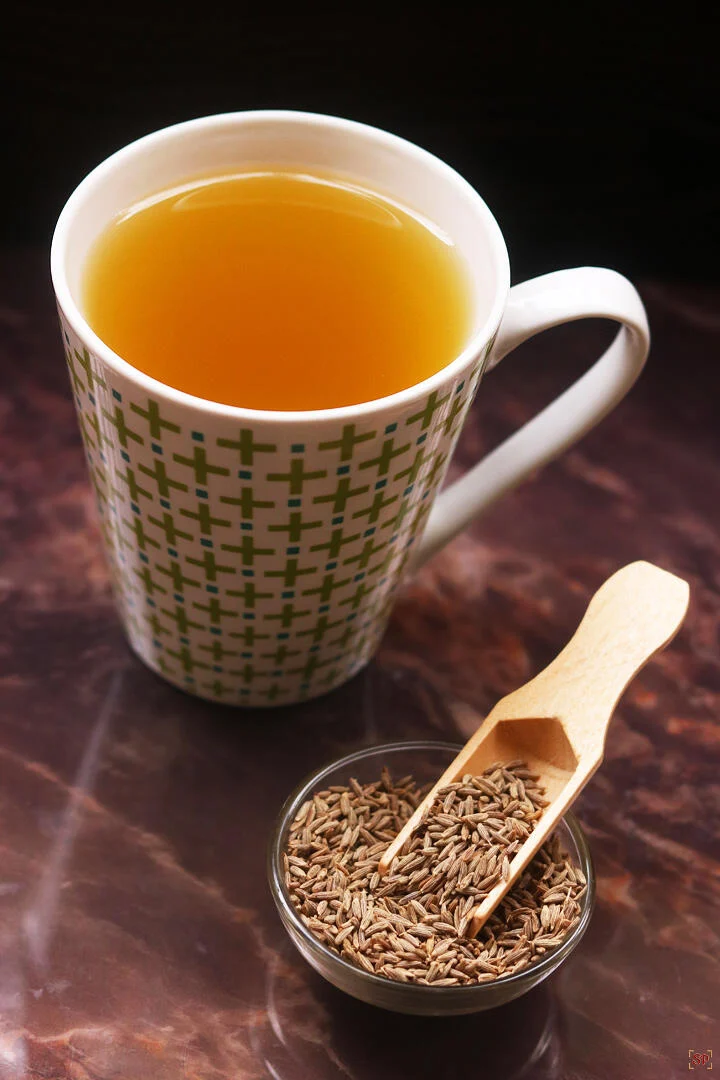
Jeera Water , Image Source : sharmispassions.com

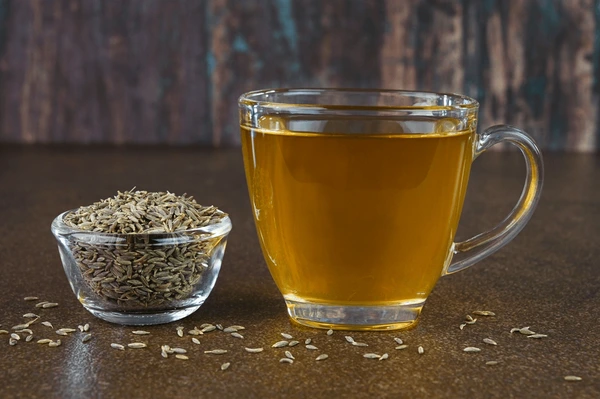
When it comes to natural remedies for weight loss, two names often top the list—jeera water (cumin seed water) and chia seeds. Both are simple, affordable, and packed with nutrients that support digestion, metabolism, and fat burning. But if your goal is to shed extra kilos, you may wonder: Jeera water vs chia seeds—which is better for weight loss?

In this blog, we’ll explore the benefits, nutritional profiles, and weight-loss potential of both, so you can make the best choice for your health journey.


Jeera Water vs Chia Seeds: Which is Better for Weight Loss?

What is Jeera Water?

Jeera Water , Image Source : Shutterstock

Jeera (cumin) is a spice commonly used in Indian cooking, but when soaked overnight and consumed as water, it becomes a detoxifying drink.

  • How it works: Soaking cumin seeds releases antioxidants and essential oils into the water. Drinking it on an empty stomach helps improve digestion and boosts metabolism.
  • Nutritional value: Cumin seeds are rich in iron, antioxidants, and compounds that improve gut health. A teaspoon of jeera has about 7 calories and trace amounts of protein and fiber.

Benefits of Jeera Water for Weight Loss

  1. Boosts metabolism: Cumin helps the body burn calories more efficiently.
  2. Improves digestion: It reduces bloating and promotes smoother digestion.
  3. Controls appetite: Drinking jeera water before meals may reduce cravings.
  4. Detox effect: Flushes out toxins, keeping the body light and energized.

Verdict: Jeera water works as a natural metabolism booster and appetite suppressant, making it effective for those who struggle with overeating. Jeera Water Recipe


What are Chia Seeds?

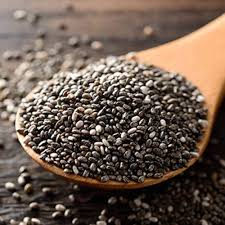
Chia Seeds, image Source : Amazon.in

Chia seeds are tiny black seeds packed with fiber, protein, omega-3 fatty acids, and antioxidants. When soaked in water, they form a gel-like texture, making them a filling superfood.

  • How it works: Chia seeds expand in the stomach, creating a sense of fullness that helps prevent overeating.
  • Nutritional value: Two tablespoons (28g) of chia seeds contain around 140 calories, 10g fiber, 5g protein, and 9g fat (mostly healthy fats).

Benefits of Chia Seeds for Weight Loss

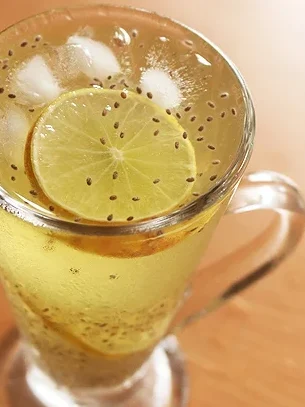
Chia Seed Lemonade, Image Source : sharmispassions.com
  1. High in fiber: Keeps you fuller for longer and reduces calorie intake.
  2. Protein-packed: Supports muscle repair and boosts metabolism.
  3. Low-carb friendly: Ideal for keto or low-carb diets.
  4. Stabilizes blood sugar: Prevents sudden spikes and crashes in energy.

Verdict: Chia seeds act as a filling, nutrient-rich snack that can replace high-calorie foods while keeping you satisfied.


Jeera Water vs Chia Seeds: A Comparison

AspectJeera WaterChia Seeds
Calories~7 per teaspoon~140 per 2 tbsp
NutrientsIron, antioxidants, digestive compoundsFiber, protein, omega-3, antioxidants
Digestive benefitsReduces bloating, boosts gut healthImproves bowel movement, prevents constipation
SatietyMild appetite controlStrong appetite suppressant due to fiber
Ease of preparationJust soak and drinkSoak for a few hours, can be added to meals
Best forQuick metabolism boost & detoxLong-lasting fullness & nutrient density

Which is Better for Weight Loss?

The answer depends on your weight-loss goals and lifestyle:

  • Choose Jeera Water if:
    • You want a low-calorie detox drink.
    • You suffer from bloating or indigestion.
    • You prefer something light to kickstart your day.
  • Choose Chia Seeds if:
    • You need a filling meal replacement or snack.
    • You want more protein and fiber in your diet.
    • You follow a low-carb or high-protein plan.

Balanced Approach: For maximum benefits, you don’t need to choose one over the other. Many nutritionists recommend jeera water in the morning and chia seeds during meals or snacks. Together, they provide detox, digestion, satiety, and sustained energy—all essential for healthy weight loss.


How to Use Them Effectively

Jeera Water Recipe

  1. Soak 1–2 teaspoons of cumin seeds in a glass of water overnight.
  2. Strain and drink on an empty stomach the next morning.
  3. Optional: Add lemon juice or honey for taste.

Chia Seeds Recipe

  1. Soak 1–2 tablespoons of chia seeds in water or milk for 30 minutes (or overnight).
  2. Add them to smoothies, yogurt, or salads.
  3. Optional: Mix with fruits for a healthy pudding.

Common Mistakes to Avoid

  • Overusing chia seeds: Excess fiber can cause bloating if consumed in large amounts. Stick to 2 tablespoons daily.
  • Expecting overnight results: Neither jeera water nor chia seeds work like magic. They should be combined with a balanced diet and exercise.
  • Adding sugar: Avoid mixing jeera water or chia seeds with sugary juices—it cancels out the weight-loss benefits.

THE CONCLUSION!

So, Jeera Water vs Chia Seeds: Which is better for weight loss? Both have unique benefits. Jeera water is light, detoxifying, and metabolism-boosting, while chia seeds provide long-lasting fullness, protein, and fiber. Instead of picking one, you can combine them for a holistic approach to weight management.

By starting your morning with jeera water and incorporating chia seeds into snacks or meals, you’ll harness the best of both worlds—better digestion, reduced cravings, improved metabolism, and sustainable weight loss.

Also Read : 7 Things to Borrow from Japanese Culture to Never Get Fat

5 High-Protein Food Alternatives to Eggs for a Healthy Diet

How Much Should You Weigh for Your Height?

What Happens to Your Body When You Cut Sugar From Your Diet for 30 Days

What Happens to Your Body When You Cut Sugar From Your Diet for 30 Days, image source : Pexels

Sugar is one of the most addictive ingredients in the modern diet. From soft drinks and packaged snacks to sauces and even bread, sugar finds its way into almost everything we eat. While a little natural sugar from fruits or dairy is fine, the problem lies in added and refined sugars. Consuming too much of it can lead to weight gain, diabetes, heart disease, and even mood swings.

But have you ever wondered what happens to your body when you cut sugar from your diet for 30 days? The transformation can be remarkable. From improving your energy to balancing your mood, ditching sugar can have both short-term and long-term benefits. Let’s break it down week by week and see what changes you can expect.


What Happens to Your Body When You Cut Sugar From Your Diet for 30 Days

Week 1: Withdrawal and Cravings

When you first cut sugar, your body goes through withdrawal—similar to giving up caffeine or smoking.

  • Cravings spike: You may feel intense cravings for sweets, chocolates, or carbs because your brain is used to dopamine surges from sugar.
  • Headaches and fatigue: Some people report headaches, irritability, or low energy as the body adjusts.
  • Mood swings: Since sugar affects serotonin levels, you may feel more irritable during the first few days.

Don’t worry—these are temporary. Drinking plenty of water, eating protein-rich foods, and consuming healthy fats can help reduce sugar cravings.


Week 2: Energy Levels Begin to Stabilize

By the second week, your body starts to adjust to a low-sugar lifestyle.

  • Steadier energy: Without sugar spikes and crashes, your energy levels stay more consistent throughout the day.
  • Better sleep: Many people report falling asleep faster and enjoying deeper sleep.
  • Improved digestion: Reducing sugary and processed foods allows your gut to recover, leading to less bloating and better digestion.

At this stage, your brain fog begins to clear, and you may notice that you’re more productive and alert.


Week 3: Visible Physical Changes

In the third week, you start seeing noticeable differences in your body.

  • Weight loss: Cutting out sugary snacks, desserts, and drinks reduces calorie intake, leading to weight loss—especially around the belly.
  • Healthier skin: Sugar contributes to acne and premature aging. Without it, your skin may look clearer, smoother, and more radiant.
  • Reduced inflammation: High sugar intake is linked to inflammation, which can cause joint pain and other health issues. After three weeks, you may feel less stiffness or discomfort.

This is usually the point where people feel motivated to continue because the physical benefits become visible.


Week 4: Long-Term Benefits Kick In

By the end of 30 days without sugar, your body undergoes significant positive changes.

  • Better blood sugar control: Your insulin sensitivity improves, lowering the risk of type 2 diabetes.
  • Improved heart health: Cutting sugar reduces triglycerides, blood pressure, and harmful cholesterol.
  • Stronger immunity: Excess sugar suppresses immune function. With less sugar, your body can fight infections more effectively.
  • Improved taste buds: After a month, natural foods like fruits taste sweeter, and you no longer crave overly processed desserts.

Essentially, your body begins to reset, and you gain control over your eating habits.


The Psychological Impact

It’s not just your body that benefits—your mind does too. Many people who cut sugar for 30 days report:

  • Reduced anxiety and mood swings
  • Better focus and memory
  • More confidence due to weight loss and improved health

Since sugar affects brain chemistry, removing it helps stabilize your mental well-being.


What You Can Eat Instead of Sugar

Quitting sugar doesn’t mean you can’t enjoy sweet flavors. Here are some healthy alternatives:

  1. Fruits: Naturally sweet and packed with fiber, vitamins, and minerals.
  2. Honey (in moderation): A natural sweetener with antioxidants.
  3. Dates: A great alternative for baking or snacking.
  4. Stevia or monk fruit: Low-calorie natural sweeteners without harmful effects.

The key is moderation—these options are healthier than refined sugar but should not be consumed in excess.


Tips for Cutting Sugar Successfully

  • Read labels: Sugar hides under names like sucrose, corn syrup, and fructose.
  • Avoid sugary drinks: Soda, packaged juices, and energy drinks are sugar bombs.
  • Cook at home: Homemade meals help you control sugar intake.
  • Eat more protein and fiber: These keep you full and reduce cravings.
  • Be patient: Cravings subside within 2–3 weeks.

Final Thoughts

So, what happens to your body when you cut sugar from your diet for 30 days? The results are truly life-changing. In the first week, you may struggle with cravings and fatigue, but by the end of the month, you’ll likely experience weight loss, glowing skin, improved energy, better sleep, and stronger immunity.

Cutting sugar is not just about dieting—it’s about reclaiming control over your health. If you’re serious about improving your lifestyle, challenge yourself to 30 days without sugar. You may find that you don’t even miss it once you see the benefits.

Also Read : Bedroom Secrets: The One Kink Millions of Women Crave but Never Admit
7 Things to Borrow from Japanese Culture to Never Get Fat

5 High-Protein Food Alternatives to Eggs for a Healthy Diet

How Much Should You Weigh for Your Height?

How Much Should You Weigh for Your Height, image source : Pexels

One of the most common health questions people ask is: “How much should I weigh for my height?” While the answer isn’t the same for everyone, there are scientific ways to determine a healthy weight range. Factors like age, gender, muscle mass, and body composition all play a role, but height remains one of the most reliable indicators when calculating an ideal weight.

In this blog, we’ll explore different methods to determine the right weight for your height, why it matters, and how you can achieve a healthy balance.


How Much Should You Weigh for Your Height?

Why Does Weight Depend on Height?

How Much Should You Weigh for Your Height , image source : Pexels

Your height influences your body’s frame size and overall structure. A taller person naturally requires more weight for proper functioning compared to someone shorter. However, simply being tall or short doesn’t determine whether you’re healthy—what matters is whether your weight is proportionate to your height.

Carrying extra weight can lead to obesity-related conditions like diabetes, heart disease, and joint problems. Being underweight can also weaken your immune system and reduce muscle strength. Knowing your ideal weight for height helps maintain overall health and prevent lifestyle diseases.


Methods to Determine Ideal Weight for Height

1. Body Mass Index (BMI)

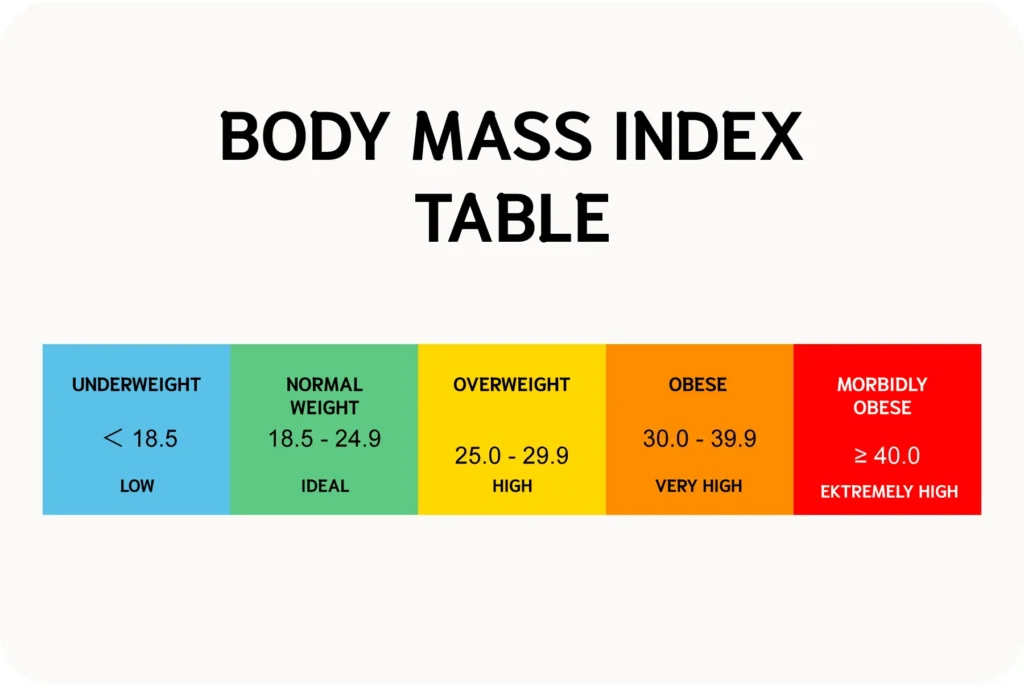
BMI Chart , Image Source : Prof. Dr. Taylan AKGÜN

The most commonly used method is BMI (Body Mass Index), which calculates weight relative to height.

  • Formula:
    BMI = Weight (kg) ÷ Height² (m²)
  • BMI Categories:
    • Underweight: Below 18.5
    • Normal weight: 18.5 – 24.9
    • Overweight: 25 – 29.9
    • Obese: 30 and above

For example, if you are 1.70m (5’7”) tall and weigh 65kg, your BMI would be:
65 ÷ (1.7 × 1.7) = 22.5 → Normal weight.

👉 While BMI is useful, it doesn’t distinguish between fat and muscle. A muscular athlete may appear “overweight” by BMI standards, even if they are healthy.


2. Weight-for-Height Chart

A weight chart based on height gives a quick reference for an average healthy range.

How Much Should You Weigh for Your Height , image source : Pexels
Height (cm)Healthy Weight Range (kg)
150 cm (4’11”)43 – 56 kg
160 cm (5’3”)50 – 63 kg
170 cm (5’7”)56 – 72 kg
180 cm (5’11”)63 – 80 kg
190 cm (6’3”)72 – 90 kg

👉 These ranges vary depending on gender and body frame size but provide a general guideline for how much you should weigh for your height.


3. Waist-to-Height Ratio

How Much Should You Weigh for Your Height , image source : Pexels

Recent studies suggest that waist-to-height ratio is an even better predictor of health than BMI.

  • Formula:
    Waist circumference ÷ Height
  • Ideal range: Your waist should be less than half your height.

Example: If you are 170 cm tall, your waist should ideally be less than 85 cm. This method focuses on belly fat, which is linked to heart disease and diabetes.


Factors That Affect Ideal Weight

Even if charts and formulas provide a range, your ideal weight may vary depending on:

  1. Gender – Women generally have more body fat, while men have higher muscle mass.
  2. Age – As we age, metabolism slows down, making weight harder to maintain.
  3. Body frame size – A person with a larger bone structure may weigh more but still be healthy.
  4. Muscle mass – Athletes may weigh more due to muscle but still be within a healthy range.

👉 This means that “one size fits all” doesn’t apply when asking how much you should weigh for your height.


Why Knowing Your Healthy Weight Matters

Maintaining the right weight has multiple benefits:

  • Reduces risk of chronic diseases (diabetes, hypertension, heart disease).
  • Improves mobility, energy levels, and joint health.
  • Supports mental well-being and confidence.
  • Enhances sleep quality and overall lifestyle.

Simply put, staying within your ideal weight for height is one of the most effective ways to live longer and healthier.


How to Reach Your Ideal Weight

  1. Balanced Diet
    • Eat whole grains, lean proteins, healthy fats, fruits, and vegetables.
    • Limit processed foods, refined sugar, and excess salt.
  2. Regular Exercise
    • Aim for at least 150 minutes of moderate activity per week.
    • Include strength training to build muscle and boost metabolism.
  3. Hydration
    • Drink at least 8–10 glasses of water daily to aid digestion and metabolism.
  4. Quality Sleep
    • Poor sleep increases hunger hormones and leads to weight gain. Aim for 7–8 hours nightly.
  5. Consistency
    • Sustainable lifestyle changes matter more than crash diets or quick fixes.

Common Myths About Weight and Height

  • Myth 1: Thin means healthy. Being underweight can be as harmful as being overweight.
  • Myth 2: Everyone with the same height should weigh the same. Body composition, muscle mass, and genetics play a huge role.
  • Myth 3: BMI is always accurate. BMI is a guideline, not a perfect measurement—it doesn’t account for muscle vs. fat.

The Answer!!!

So, how much should you weigh for your height? The answer depends on multiple factors, but tools like BMI, weight-for-height charts, and waist-to-height ratio give you a reliable range to aim for.

Instead of obsessing over a single number on the scale, focus on maintaining a healthy lifestyle, balanced nutrition, and regular activity. Your body weight should make you feel energetic, confident, and healthy—not just fit into a chart.

Remember, the ultimate goal isn’t to be “skinny” but to be fit and healthy for your unique height and body type.

Also Read : Bedroom Secrets: The One Kink Millions of Women Crave but Never Admit

7 Things to Borrow from Japanese Culture to Never Get Fat

5 High-Protein Food Alternatives to Eggs for a Healthy Diet

Bedroom Secrets: The One Kink Millions of Women Crave but Never Admit
Bedroom Secrets: The One Kink Millions of Women Crave but Never Admit , image source : Pexels

Bedroom Secrets: The One Kink Millions of Women Crave but Never Admit
When it comes to bedroom secrets, there’s one truth most men don’t realize—millions of women secretly share certain bedroom fantasies but hesitate to talk about them. While men often think they know exactly what women want in bed, reality tells a different story. Women carry unique and often unspoken desires that go far beyond traditional intimacy.

One of the most common yet misunderstood desires is a dominance kink—but not in the way many imagine. It’s not about extremes or wild scenarios. Instead, it’s about the delicate balance between power, trust, and passion. Women crave a man who can take charge in the bedroom, not just physically but emotionally, while still making them feel safe, loved, and respected.

Let’s dive deeper into this hidden desire and why so many women crave it but rarely admit it.


Why Women Keep This Bedroom Secret Hidden

Bedroom secrets , image source : pexels

Society has always placed women under the pressure of being “good girls” who shouldn’t openly discuss kinks or bedroom fantasies. Even in today’s modern, open world, many women fear being judged or misunderstood if they admit to craving power play or dominance.

Instead of expressing these needs, women often stay silent, hoping their partner will naturally understand. But here’s the catch—most men don’t. This leads to a gap in intimacy, where women may secretly fantasize while their partners remain completely unaware.

By acknowledging this, men can bridge the gap and build stronger, more fulfilling connections.


The Psychology Behind This Kink

Bedroom secrets , image source : Pexels

The dominance kink isn’t about aggression—it’s about surrendering control in a safe space. In everyday life, women often carry heavy responsibilities—careers, family, relationships, and societal expectations. In the bedroom, letting go of that pressure can feel liberating.

Being guided, led, or dominated by a trusted partner creates a powerful sense of release. It allows women to experience intimacy on a deeper level because they no longer need to think or control—they can simply feel.

This psychological element is why millions of women crave this bedroom secret but rarely voice it.


How Men Misunderstand Women’s Kinks

Bedroom secrets , image source : Pexels

Here’s where many men go wrong:

  • Overdoing it. They assume dominance means being rough all the time. That’s not true. Women crave balance—firmness mixed with gentleness.
  • Ignoring communication. Men often forget to check in emotionally. Dominance without consent or understanding can make women feel uncomfortable rather than turned on.
  • Lack of variety. Women don’t always want the same routine. Sometimes they want sweet intimacy, other times they want to explore this hidden fantasy.

Understanding that dominance is more about confidence, direction, and emotional connection rather than physical force is the key to unlocking this secret.


Signs Your Partner Might Be Into This Fantasy

Bedroom secrets , image source : pexels

If you’re wondering whether your partner craves this women’s kink, pay attention to subtle clues:

  • She enjoys when you take initiative—kissing her suddenly, guiding her moves, or setting the pace.
  • She reacts positively to firm touches, whispered commands, or gentle restraint.
  • She teases about “being in control” or playfully resists when you lead.
  • She hints at reading romance novels or watching shows with power-play dynamics.

These small signs could mean she’s waiting for you to figure out her bedroom secrets.


How to Safely Explore This Kink

If you want to bring this fantasy to life in a healthy, exciting way, here’s how:

image source: Pexels
  1. Start with communication. Talk about what excites her. Ask open-ended questions like, “Do you like it when I take control in bed?”

  2. Ease into it. Begin with small gestures—pinning her hands, whispering commands, or guiding her movements.
  3. Focus on trust. Dominance only works when she feels safe and respected. Always check in with her comfort level.
  4. Mix it up. Don’t let dominance be your only move. Surprise her by balancing passion with tenderness.
  5. Respect boundaries. If she says no, stop. Respect builds more intimacy than any fantasy.

By exploring together, you turn a bedroom secret into a shared experience that strengthens your bond.


Why This Secret Matters for Relationships

bedroom secrets , image source : pexels

When women’s hidden bedroom fantasies remain unspoken, it creates distance in a relationship. Partners may love each other deeply, yet the bedroom feels incomplete. But when men step up and learn what women secretly crave, intimacy transforms.

Exploring these kinks together not only satisfies physical needs but also builds trust, emotional connection, and passion that goes beyond the bedroom. Couples who openly discuss desires often report happier, stronger relationships.


Last but not Least !

The truth is simple: millions of women crave a subtle dominance kink in the bedroom but rarely admit it. It’s not about control for control’s sake—it’s about safety, trust, and release. By paying attention, communicating, and experimenting, men can unlock this powerful desire and create unforgettable intimacy.

If you’re serious about discovering bedroom secrets, don’t ignore the unspoken. What women want is often hidden beneath the surface—but once you uncover it, your connection will reach a whole new level.

Also Read : iPhone 17 Pro vs Samsung Galaxy S25: Best Smartphone Choice for 2025

5 High-Protein Food Alternatives to Eggs for a Healthy Diet

Best Foods to Try in Tokyo: A Local’s Guide to Must-Eat Dishes

7 Things to Borrow from Japanese Culture to Never Get Fat

Japan is famous for its rich traditions, discipline, and one more thing—its remarkably healthy population. With one of the lowest obesity rates in the world, Japanese culture offers valuable lessons for anyone trying to live a healthier life. Instead of following short-term fad diets, the Japanese lifestyle emphasizes balance, mindfulness, and sustainable habits that naturally prevent weight gain.

So, what exactly can we learn from them? Let’s explore 7 things to borrow from Japanese culture to never get fat and see how you can apply these principles in your own daily life.


7 Things to Borrow from Japanese Culture to Never Get Fat !

1. Balanced Portions (Hara Hachi Bu)

7 Things to Borrow from Japanese Culture to Never Get Fat , image source : sculptaway

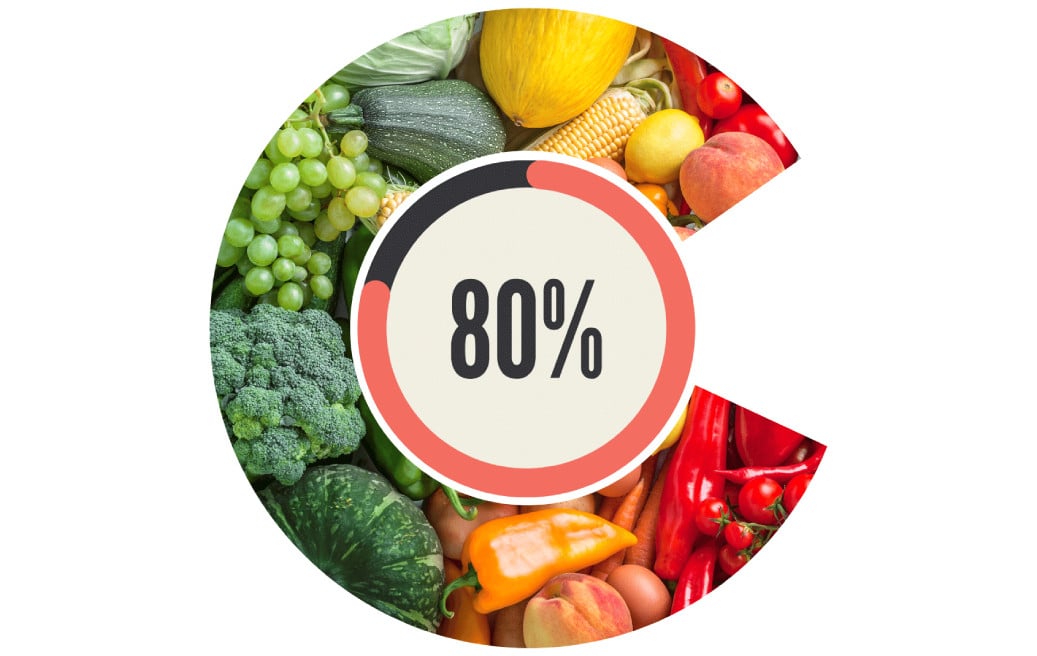
One of the most powerful Japanese practices is “Hara Hachi Bu,” which means eating until you are 80% full. Instead of stuffing themselves, the Japanese stop before they feel completely satisfied.

  • Why it works: Eating smaller portions reduces calorie intake without feeling deprived. It also gives your brain time to register fullness.
  • How you can apply it: Use smaller plates, eat slowly, and avoid second helpings. Practicing portion control like the Japanese can significantly reduce overeating and weight gain.

2. Fresh, Seasonal Foods

Fresh, Seasonal Foods , image source : Pexels

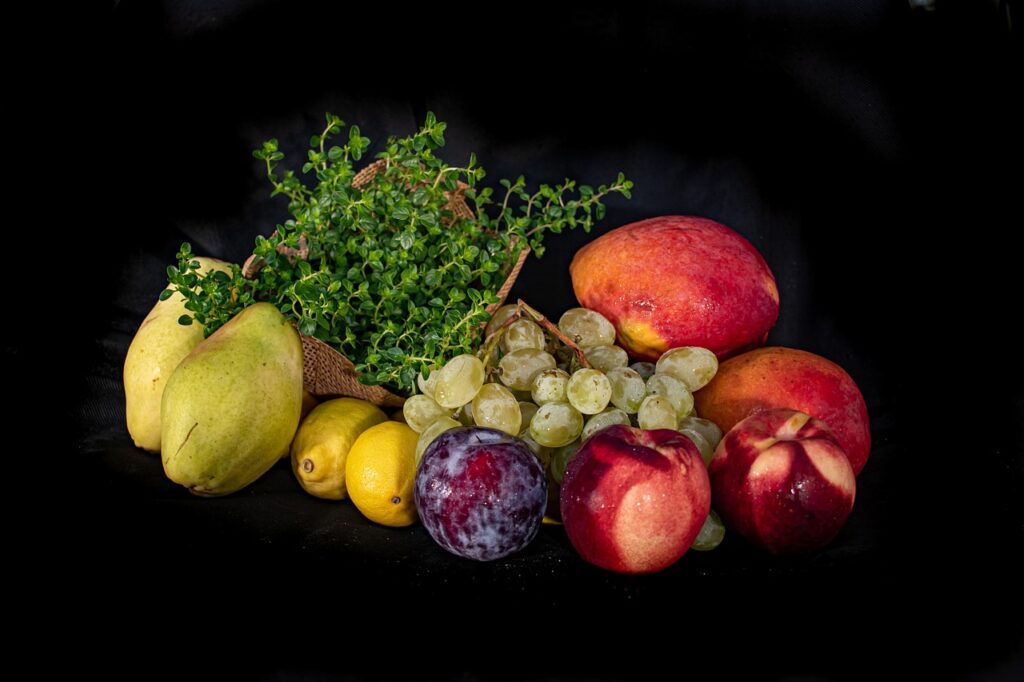
In Japan, meals are built around fresh, seasonal, and local produce. Processed foods and packaged snacks are far less common compared to many Western countries.

  • Why it works: Fresh fruits, vegetables, and seafood are nutrient-dense, low in calories, and free from hidden sugars or unhealthy fats.
  • How you can apply it: Prioritize fresh produce over packaged food. Shop at local markets and adapt your meals to the season for maximum nutrition.

3. More Fish, Less Red Meat

Fish , image source : Pexels

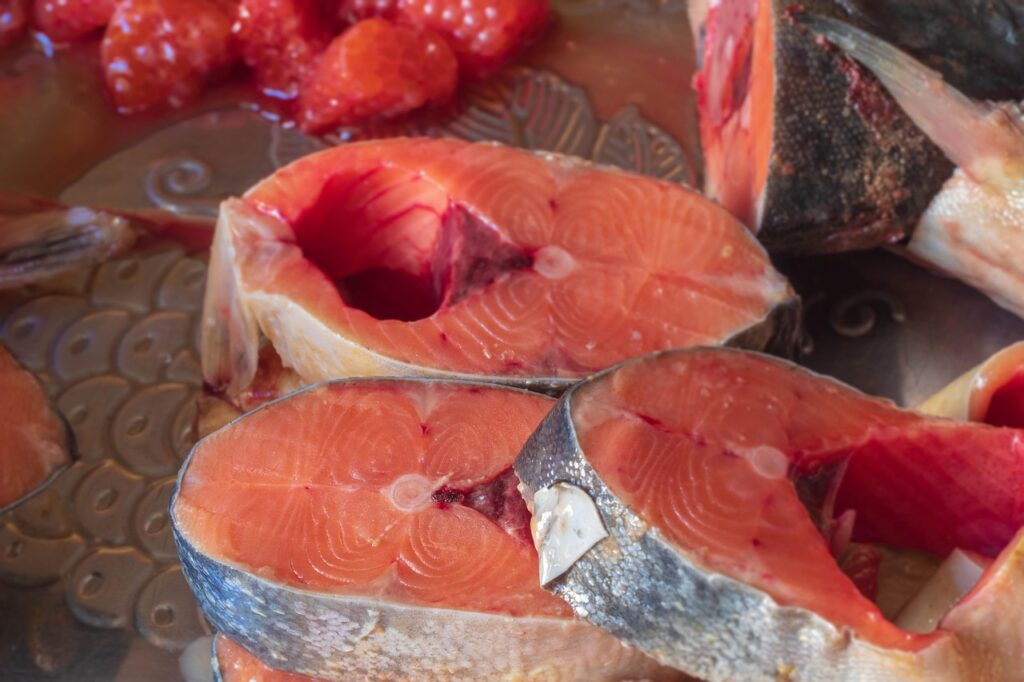
Japanese diets are rich in fish, seaweed, and soy-based foods like tofu. Red meat and heavy dairy products are consumed in smaller amounts.

  • Why it works: Fish is packed with lean protein and omega-3 fatty acids, which promote heart health and reduce inflammation. This makes it easier to maintain a healthy weight.
  • How you can apply it: Swap red meat with fish a few times a week. Experiment with salmon, mackerel, or tuna for a satisfying yet lighter meal option.

4. Active Lifestyle Built into Daily Routine

Cycling, Image Source : Pexels

Unlike the West, where fitness often means going to the gym, the Japanese incorporate movement into their everyday lives. Walking, cycling, and taking the stairs are part of their normal routine.

  • Why it works: Small bursts of daily activity burn calories, improve metabolism, and prevent fat storage without feeling like a workout.
  • How you can apply it: Walk short distances instead of driving, use stairs instead of elevators, and aim for at least 8,000–10,000 steps daily.

5. Mindful Eating Rituals

Smaller dishes , image source : Pexels

In Japan, eating is considered a mindful activity. Meals are beautifully presented in smaller dishes, and people take the time to enjoy textures, flavors, and aromas.

  • Why it works: Mindful eating reduces overeating, improves digestion, and enhances satisfaction. You end up eating less while feeling more nourished.
  • How you can apply it: Avoid eating in front of the TV or while scrolling on your phone. Serve meals on small plates, sit down, and focus on each bite.

6. Green Tea Instead of Sugary Drinks

Green Tea , Image source : Pexels

One of the most popular beverages in Japan is green tea, which is rich in antioxidants and has metabolism-boosting properties. Sugary sodas and high-calorie drinks are rare in traditional Japanese diets.

  • Why it works: Green tea improves fat oxidation, supports digestion, and reduces the risk of lifestyle diseases.
  • How you can apply it: Replace sodas, energy drinks, or sweetened juices with green tea. Even 2–3 cups daily can help manage weight effectively.

7. Community, Discipline, and Routine

Meals , image source : Pexels

Japanese culture values discipline, routine, and community eating practices. From bento boxes to family dinners, meals are structured and balanced rather than random or excessive.

  • Why it works: A consistent eating routine prevents binge eating and late-night snacking. Social dining encourages balanced portions and healthier food choices.
  • How you can apply it: Create a meal routine, prepare balanced lunches, and eat at regular times. Avoid skipping meals or eating on the go.

Why the Japanese Way Works

The Japanese approach to health is not about strict dieting but about balanced living. Their habits focus on quality, moderation, and mindful living rather than calorie counting or restrictive plans.

By borrowing these 7 things from Japanese culture, you can naturally maintain a healthy weight without the stress of fad diets. The key takeaway is simple: eat fresh, eat mindfully, move daily, and stop before you’re full.


7 Things to Borrow from Japanese Culture to Never Get Fat , CONCLUSION !!!

If you’ve ever wondered how the Japanese maintain such low obesity rates, the answer lies in their daily habits rather than extreme measures. Incorporating hara hachi bu, seasonal foods, fish, mindful eating, green tea, and active living into your routine can transform your relationship with food and health.

Unlike the West, where fast food and oversized portions dominate, Japan emphasizes balance, variety, and freshness in every meal.

Their cultural approach to food is less about counting calories and more about enjoying natural flavors in moderation.

Walking, cycling, and staying active are not special workouts in Japan—they are simply part of daily life.

Traditional meals are designed to nourish both the body and mind, focusing on quality over quantity.

This holistic lifestyle is why Japan consistently ranks among the healthiest nations on earth.

Instead of chasing quick fixes, embrace these time-tested cultural practices. By doing so, you’ll not only avoid gaining excess weight but also enjoy better energy, longevity, and overall well-being.

Also Read : 5 High-Protein Food Alternatives to Eggs for a Healthy Diet

Best Foods to Try in Tokyo: A Local’s Guide to Must-Eat Dishes

7-Day Japan Itinerary with JR Pass: Save Money & Time

50 Traditional Japanese Foods

5 High-Protein Food Alternatives to Eggs for a Healthy Diet

5 High-Protein Food Alternatives to Eggs for a Healthy Diet , image source :unsplash

When it comes to protein-rich foods, eggs are often considered the gold standard. They’re versatile, affordable, and loaded with essential amino acids. But what if you don’t like eggs, are allergic, or simply want to try something new? Don’t worry—there are plenty of high-protein food alternatives to eggs that can fuel your body, support muscle growth, and keep you feeling full for longer.

In this blog, we’ll explore five nutrient-packed protein sources that are excellent substitutes for eggs. Whether you’re following a vegetarian diet, hitting the gym, or just looking to diversify your meals, these options will keep your nutrition game strong.


5 High-Protein Food Alternatives to Eggs

1. Greek Yogurt

If you’re looking for a creamy, delicious, and protein-rich alternative to eggs, Greek yogurt is a top choice.

5 High-Protein Food Alternatives to Eggs , image source :unsplash
  • Protein content: One cup (200g) of plain Greek yogurt contains around 20 grams of protein, which is almost equivalent to three large eggs.
  • Nutrients: It’s also rich in calcium, probiotics, and vitamin B12, making it excellent for bone health and digestion.
  • How to use: You can enjoy Greek yogurt as a breakfast bowl with fruits and nuts, blend it into smoothies, or use it as a base for dips and sauces.

For those who love a quick and filling snack, Greek yogurt ticks all the boxes—it’s creamy, versatile, and loaded with high-quality protein.

SEO Tip: Many health-conscious readers search for “Greek yogurt protein benefits,” so highlighting its nutritional value makes this section more discoverable.


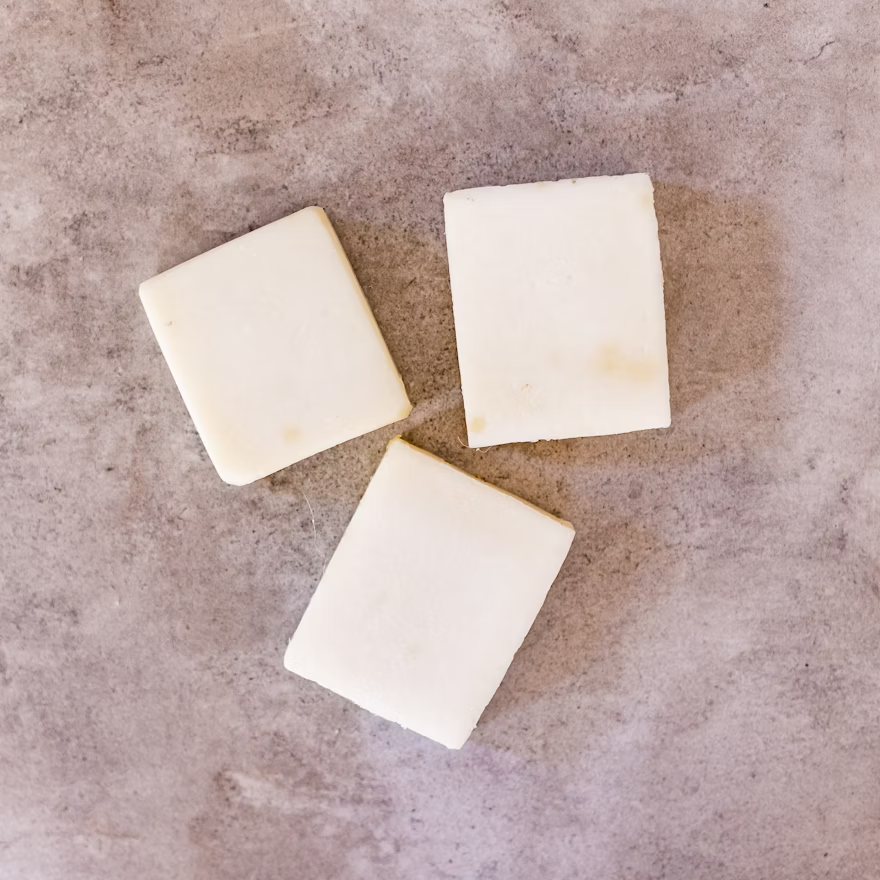
2. Cottage Cheese (Paneer)

In Indian households, paneer (cottage cheese) is a staple—and for good reason. It’s not only delicious but also packed with slow-digesting protein that keeps you full for hours.

5 High-Protein Food Alternatives to Eggs , image source :unsplash
  • Protein content: 100g of paneer contains around 18 grams of protein, which rivals eggs in terms of protein density.
  • Nutrients: Paneer is also rich in calcium, vitamin D, and phosphorus, essential for strong bones and teeth.
  • How to use: You can grill paneer, add it to curries, toss it in salads, or make protein-rich wraps.

For vegetarians who don’t eat eggs, paneer is one of the best high-protein food alternatives that’s both tasty and filling.


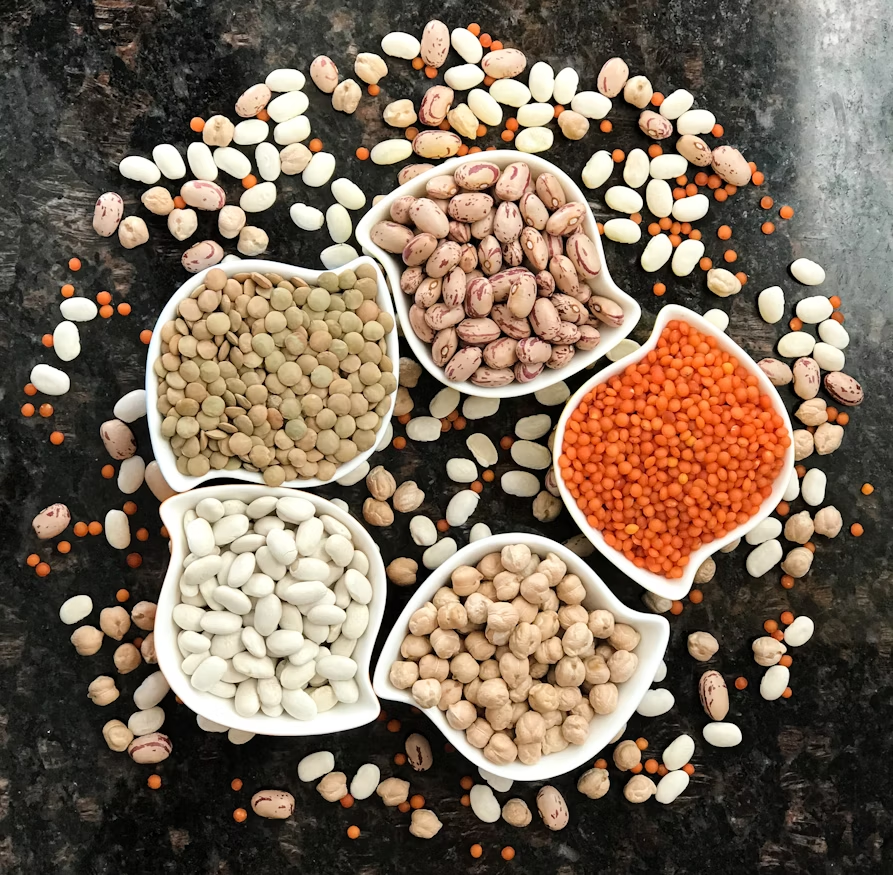
3. Lentils

If you prefer plant-based options, lentils are one of the most affordable and accessible protein-rich foods available.

5 High-Protein Food Alternatives to Eggs , image source :unsplash
  • Protein content: One cup of cooked lentils (200g) provides around 18 grams of protein along with fiber and iron.
  • Nutrients: Lentils are a powerhouse of complex carbohydrates, magnesium, and folate—making them ideal for energy and heart health.
  • How to use: You can cook dal, add lentils to soups, stews, or even use them in veggie burgers for a protein boost.

What makes lentils special is their high fiber content, which supports gut health and helps in weight management. If you’re searching for vegetarian protein alternatives to eggs, lentils are a must-have in your diet.


4. Quinoa

5 High-Protein Food Alternatives to Eggs , image source :unsplash

Quinoa has gained popularity worldwide as a superfood, and for good reason. Unlike many grains, quinoa is a complete protein, meaning it contains all nine essential amino acids—just like eggs.

  • Protein content: One cup of cooked quinoa contains around 8 grams of protein, along with 5 grams of fiber.
  • Nutrients: It’s naturally gluten-free and packed with iron, magnesium, and antioxidants.
  • How to use: Quinoa works well as a base for salads, in Buddha bowls, or as a replacement for rice. You can even make quinoa porridge for breakfast.

Though its protein content per cup is lower than eggs, its amino acid profile makes quinoa one of the best high-protein vegetarian alternatives.


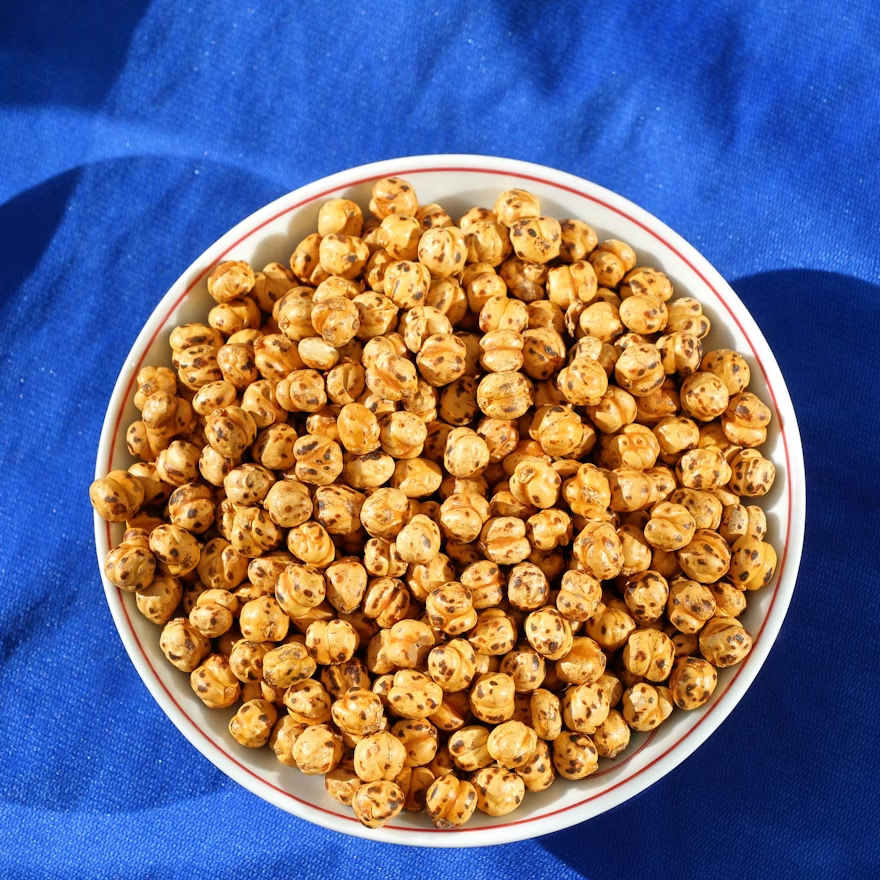
5. Chickpeas (Chana)

5 High-Protein Food Alternatives to Eggs , image source :unsplash

Another fantastic option for those avoiding eggs is chickpeas. These legumes are versatile, affordable, and packed with protein.

  • Protein content: One cup of cooked chickpeas offers around 15 grams of protein.
  • Nutrients: Chickpeas are rich in fiber, potassium, and B vitamins, which help in digestion, heart health, and energy metabolism.
  • How to use: You can roast chickpeas for a crunchy snack, mash them into hummus, or add them to curries and salads.

Chickpeas are especially useful for meal prepping, as they store well and can be used in countless dishes throughout the week.


Why Choose High-Protein Alternatives to Eggs?

  1. Variety of nutrients: Each protein source brings unique vitamins, minerals, and antioxidants.
  2. Better digestion: Rotating protein sources can improve gut health and reduce food intolerances.
  3. Flexibility: Whether you’re vegetarian, lactose-intolerant, or simply want a change, these options give you plenty of choices.

Eggs are a fantastic protein source, but diversifying your diet has several benefits:

By incorporating a mix of these protein-rich foods, you can easily meet your daily protein requirements without relying only on eggs.

Protein is essential for muscle repair, hormone production, and overall well-being. While eggs are a classic choice, they’re not the only option available. Greek yogurt, paneer, lentils, quinoa, and chickpeas are all excellent high-protein food alternatives to eggs that can keep your diet balanced, diverse, and nutritious.

So next time you’re planning a meal, try swapping eggs with one of these protein-packed substitutes—you’ll enjoy new flavors while fueling your body with essential nutrients.

Also read : Best Foods to Try in Tokyo: A Local’s Guide to Must-Eat Dishes

No 1 Apps with Best Reward for Paying the Credit Card Bill in India?

7-Day Japan Itinerary with JR Pass: Save Money & Time

New Delhi Rajdhani Express Train Launched from Sairang to New Delhi: A New Era of Connectivity

Royal Enfield 125cc 2025: Price, Features, and Launch Details