
Category Archives: Travel/ Visa

Visa-free countries for Indian passport holders

visa-free countries for Indian passport holders , image source : Pexels

Traveling abroad is no longer a luxury only for the rich. With budget airlines, cheap accommodations, and smart travel hacks, Indians can explore the world without burning a hole in their pocket. But one factor that often adds to the cost and stress of international travel is visa applications. From high fees to long waiting times, getting a visa can be a roadblock for many.

The good news? There are several visa-free countries for Indian passport holders that allow you to pack your bags and fly without any complicated paperwork. In this blog, we’ll explore the best destinations for budget-friendly international travel where Indians don’t need a visa, along with tips to save money during your trip.


visa-free countries for Indian passport holders

visa-free countries for Indian passport holders, image source : Pexels

🌍 Why Choose Visa-Free Countries?

  1. Save Money: Visa application fees can range from ₹3,000 to ₹10,000 or more, which you can save and use for travel.
  2. Save Time: No embassy visits, interviews, or long waiting periods.
  3. Budget-Friendly Trips: Many visa-free countries are also affordable in terms of accommodation, food, and local transport.
  4. Perfect for Spontaneous Travel: You can plan a last-minute holiday without worrying about visa delays.

🌴 Top Visa-Free Countries for Indians Traveling on a Budget

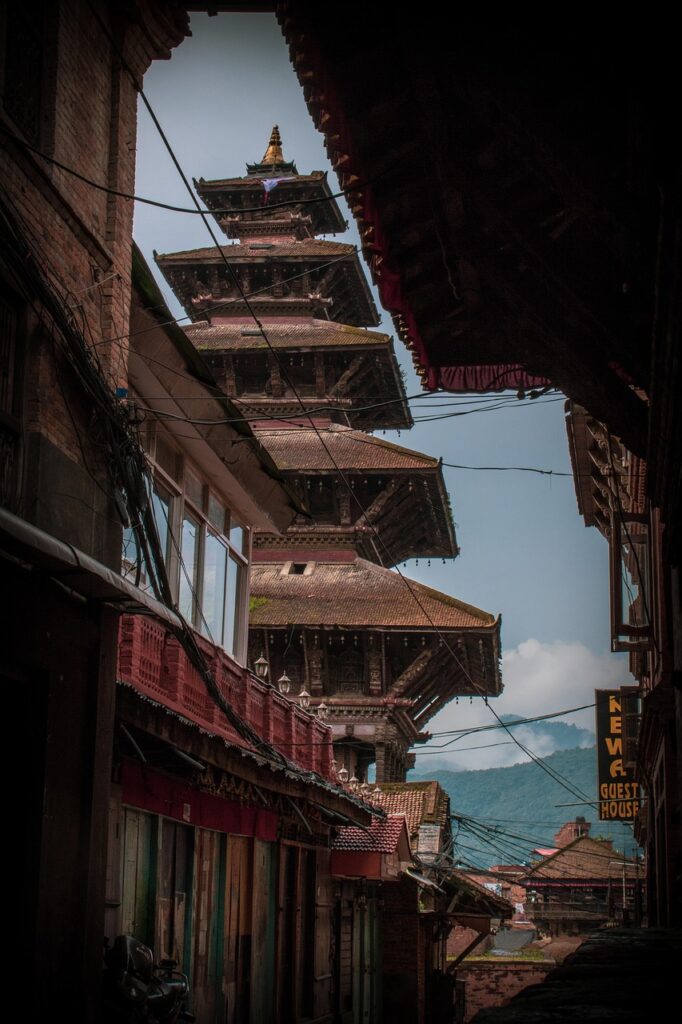
1. Nepal

visa-free countries for Indian passport holders , image source: Pexels
  • Why visit? Nepal is one of the most accessible and affordable international destinations for Indians. From trekking in the Himalayas to exploring Kathmandu’s vibrant culture, there’s plenty to do.
  • Budget Tip: Travel by bus or shared taxi from India to save on flight costs. Street food and budget guesthouses are extremely cheap.

2. Bhutan

visa-free countries for Indian passport holders , image source : Pexels
  • Why visit? Known as the “Happiest Country in the World,” Bhutan is a peaceful and scenic escape. Indians only need an entry permit (no visa).
  • Budget Tip: Use shared cabs and try local Bhutanese dishes like Ema Datshi. Accommodation in homestays is very affordable.

3. Indonesia (Visa-Free for 30 Days)

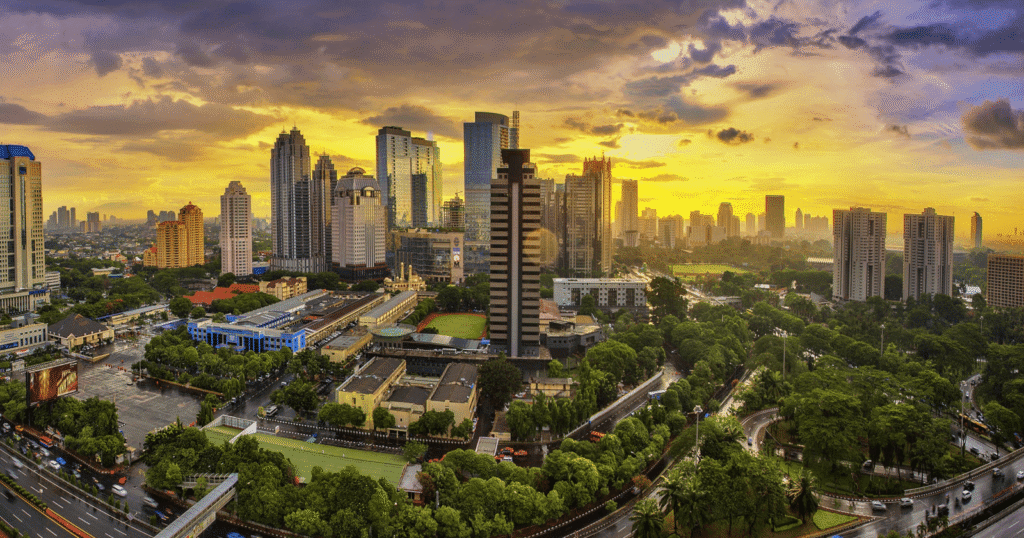
visa-free countries for Indian passport holders , image source : Pexels
  • Why visit? Bali, beaches, temples, and vibrant nightlife make Indonesia a favorite. It’s also cheap compared to other Southeast Asian destinations.
  • Budget Tip: Stay in hostels, rent a scooter for travel, and eat at local warungs (small eateries).

4. Thailand (Visa-Free till May 2025 for Indians)

visa-free countries for Indian passport holders , image source : Pexels
  • Why visit? Thailand offers beautiful islands, bustling Bangkok, and delicious street food. With cheap flights from India, it’s one of the best budget destinations.
  • Budget Tip: Use public ferries instead of private boats and book accommodations on apps like Hostelworld for cheaper stays.

5. Maldives (Visa on Arrival for 30 Days)

visa-free countries for Indian passport holders, image source : Pexels
  • Why visit? Often seen as a luxury destination, Maldives can be surprisingly affordable if you avoid expensive resorts and stay on local islands.
  • Budget Tip: Use public ferries, stay in guesthouses, and enjoy budget snorkeling tours.

6. Mauritius (Visa-Free for 90 Days)

visa-free countries for Indian passport holders , image source : Pexels
  • Why visit? Pristine beaches, waterfalls, and multicultural vibes make Mauritius a dream budget-friendly trip.
  • Budget Tip: Travel off-season for cheaper flights and book budget apartments with kitchen access.

7. Fiji (Visa-Free for 4 Months)
visa-free countries for Indian passport holders , image source : Pexels
  • Why visit? If you dream of tropical vibes without breaking the bank, Fiji offers friendly locals and stunning beaches.
  • Budget Tip: Use public buses for intercity travel and try local food markets.

8. Jamaica (Visa-Free for 30 Days)

visa-free countries for Indian passport holders , Image source : Pexels
  • Why visit? Reggae culture, beaches, and affordable local life make Jamaica an underrated destination.
  • Budget Tip: Stay in budget hostels and try local jerk chicken instead of eating at tourist restaurants.

9. Serbia (Visa-Free for 30 Days)

visa-free countries for Indian passport holders, image source : Pexels
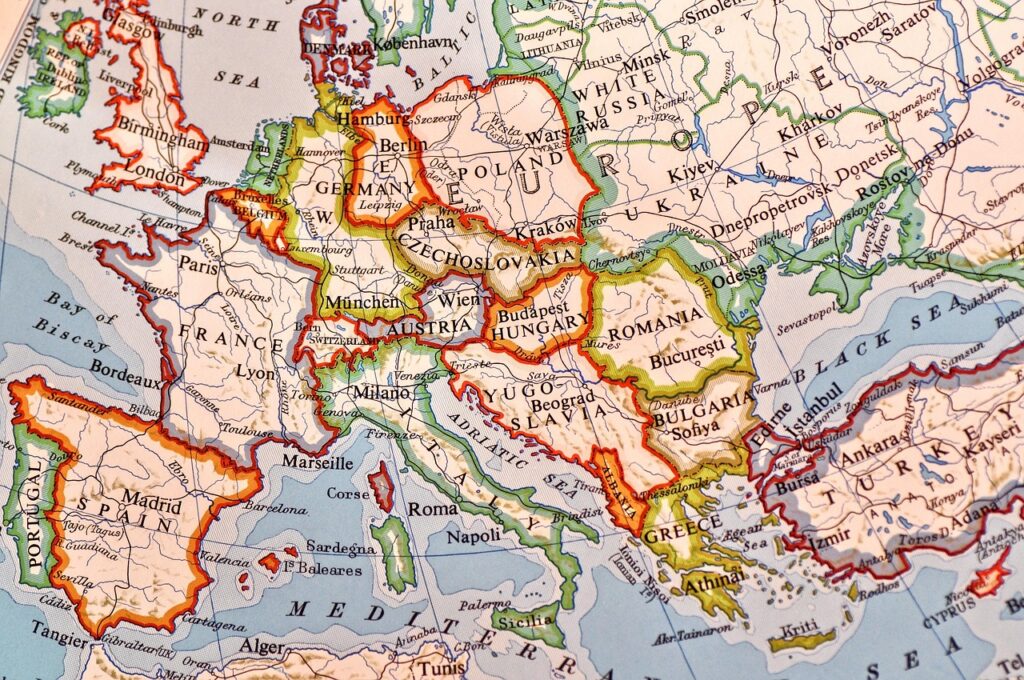
  • Why visit? Serbia is one of Europe’s hidden gems and a rare visa-free entry point for Indians in Europe. Affordable food, transport, and rich culture make it perfect for budget travelers.
  • Budget Tip: Use free walking tours, take public buses, and explore street food.

10. Seychelles (Visa-Free with Permit on Arrival)
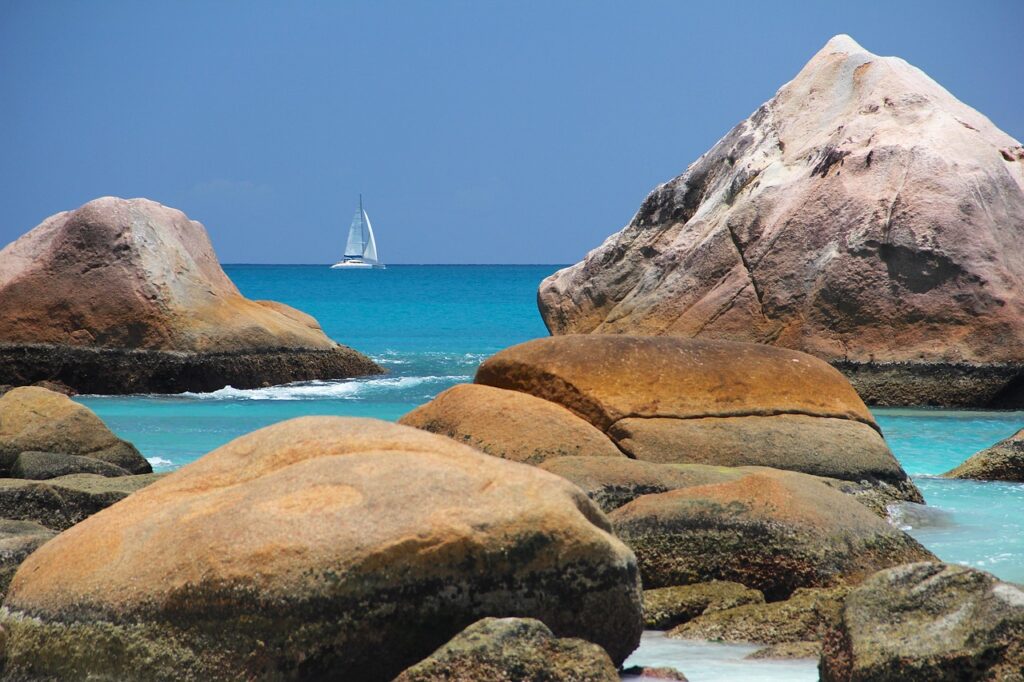
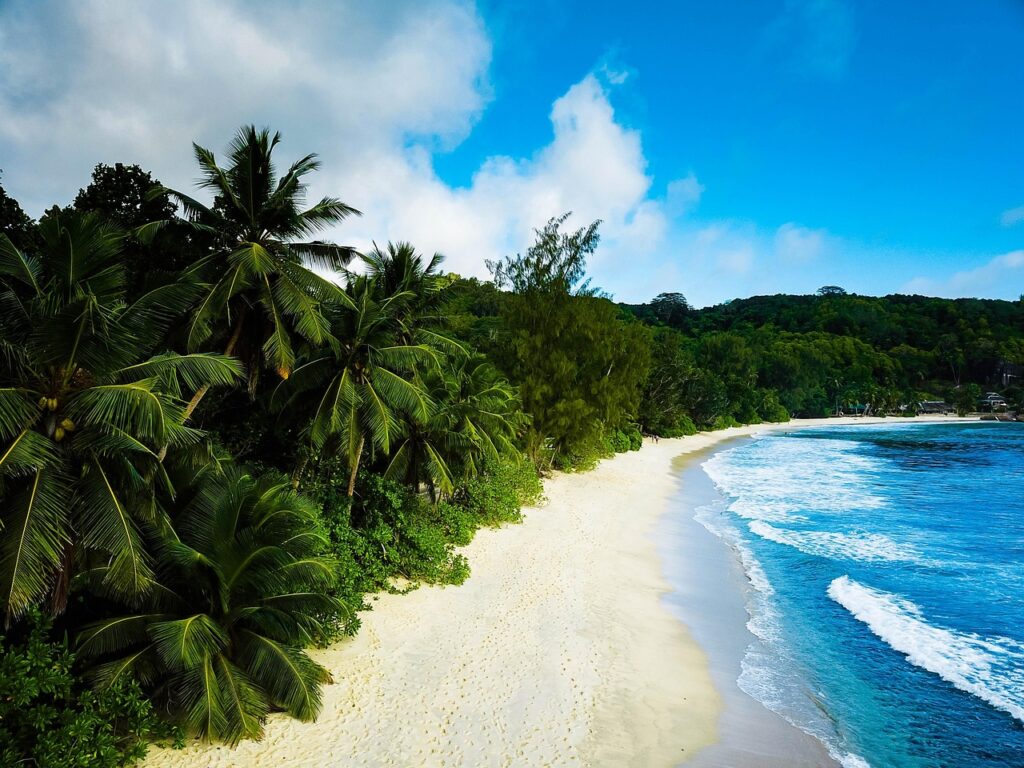
visa-free countries for Indian passport holders ,
image source : Pexels
  • Why visit? Known for crystal-clear waters and breathtaking islands, Seychelles is visa-free for Indians with a free permit on arrival.
  • Budget Tip: Stay in homestays instead of resorts and use public buses for transport.

💰 Budget Travel Hacks for Indians

  • Book Flights Early: Use price alert apps like Skyscanner or Google Flights.
  • Travel Off-Season: Avoid peak tourist months to save on flights and stays.
  • Use Public Transport: Skip taxis; buses and trains are cheaper.
  • Eat Local: Street food and local eateries save money and give authentic taste.
  • Stay in Hostels or Homestays: Affordable and culturally immersive.
  • Use Travel Credit Cards: Earn points and save on bookings.

✅ Final Thoughts

Traveling abroad doesn’t always have to mean spending lakhs on luxury trips. With careful planning and by choosing visa-free countries for Indians, you can explore beautiful destinations, experience new cultures, and create unforgettable memories – all on a budget.

So, next time you’re planning a vacation, pick one of these countries, pack light, and get ready for an adventure without visa hassles!

Also Read : Long-Stay Visas : Countries Offering 90 or 180 Days Visas !

Digital Nomad Visas: Where They Are, How to Apply & Cost

How to Plan Multi-Country Trips: Visa Overlaps, Transit Rules & Visa Strategy

Why Delhi is the Best State to Live in India!

Best Foods to Try in Tokyo: A Local’s Guide to Must-Eat Dishes

Why Delhi is the Best State to Live in India!

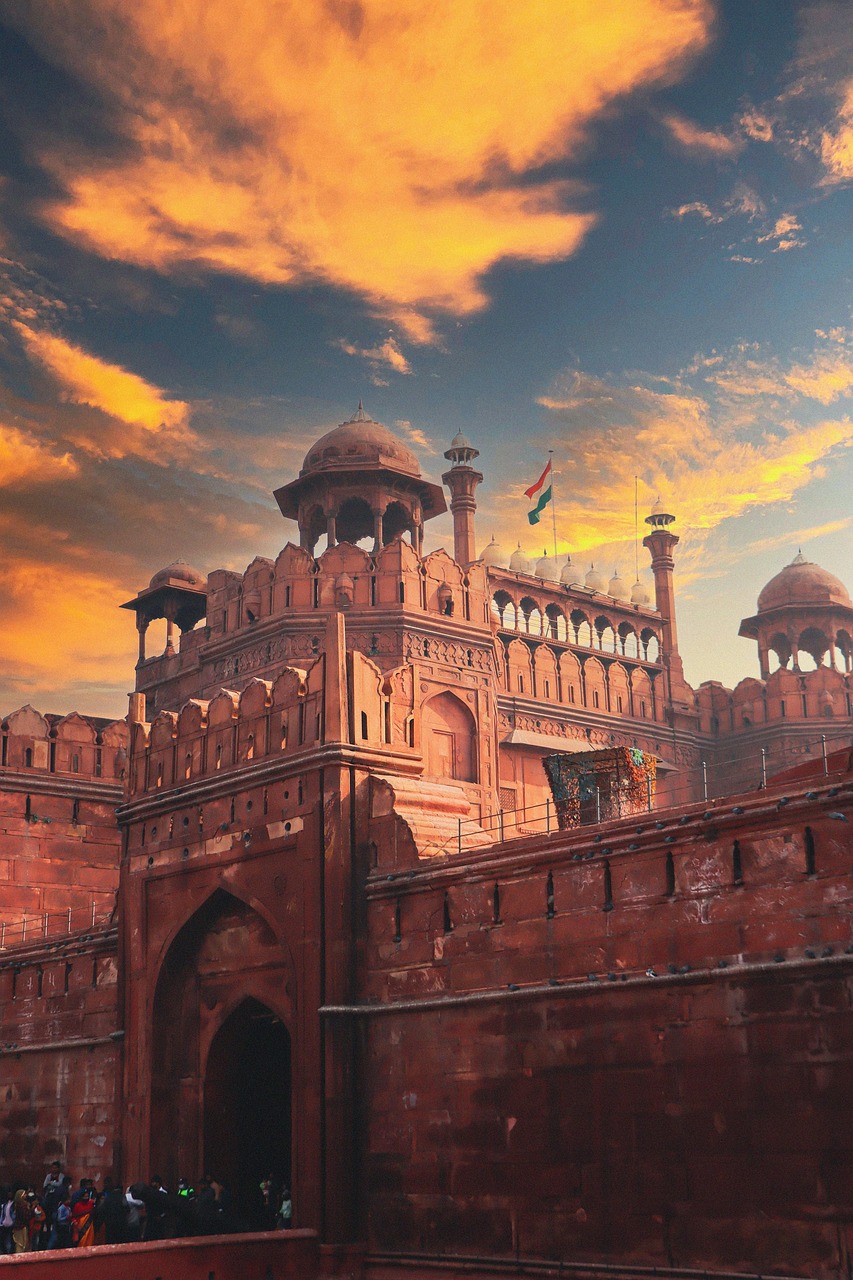
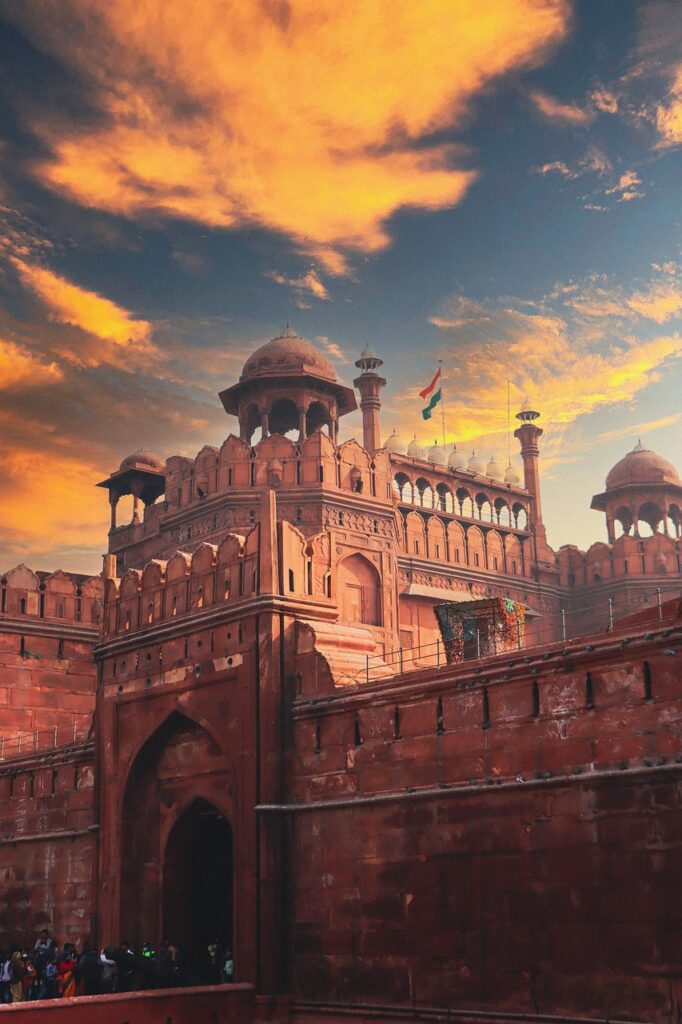
Why Delhi is the Best State to Live in India , Red Fort , Image Source : Pexels

When people think about relocating, one of the most common questions is: Which is the best state to live in India? While India is filled with diverse cultures, cuisines, and landscapes, Delhi stands out as the ultimate destination to live, work, and grow. Often referred to as the heart of the nation, Delhi is not just India’s capital city—it is a vibrant blend of modern lifestyle, rich heritage, excellent infrastructure, and limitless opportunities.

In this blog, we’ll explore why Delhi is the best state to live in India, highlighting its unbeatable advantages, lifestyle perks, and why countless people from across the country choose to make Delhi their home.


Why Delhi is the Best State to Live in India!

1. A Perfect Blend of History and Modernity

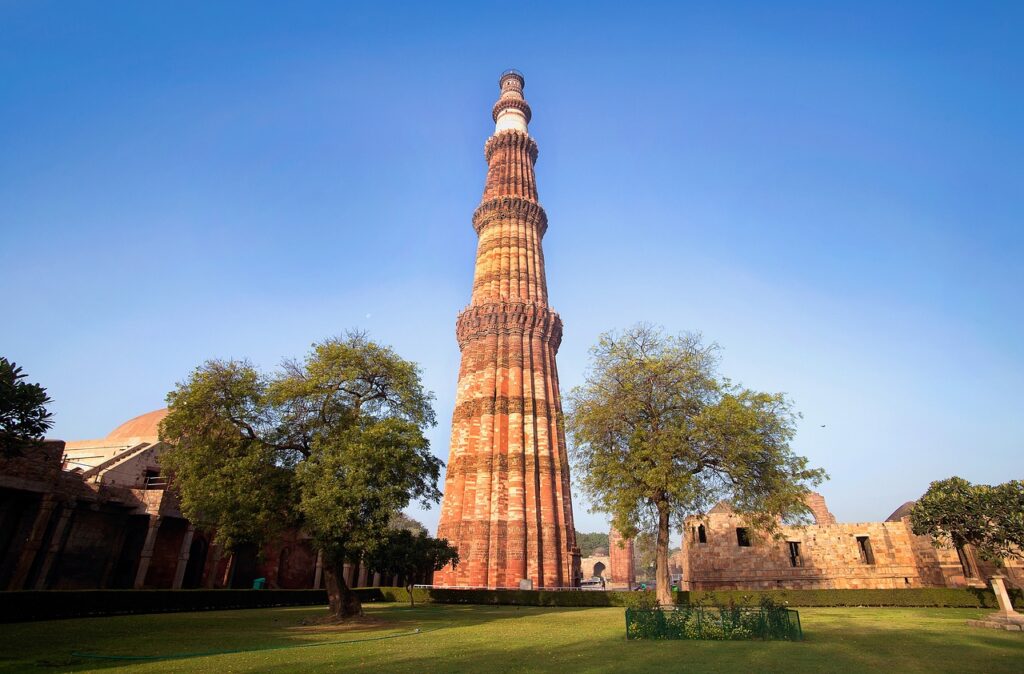
Qutub Minar , Image Source : Pexels

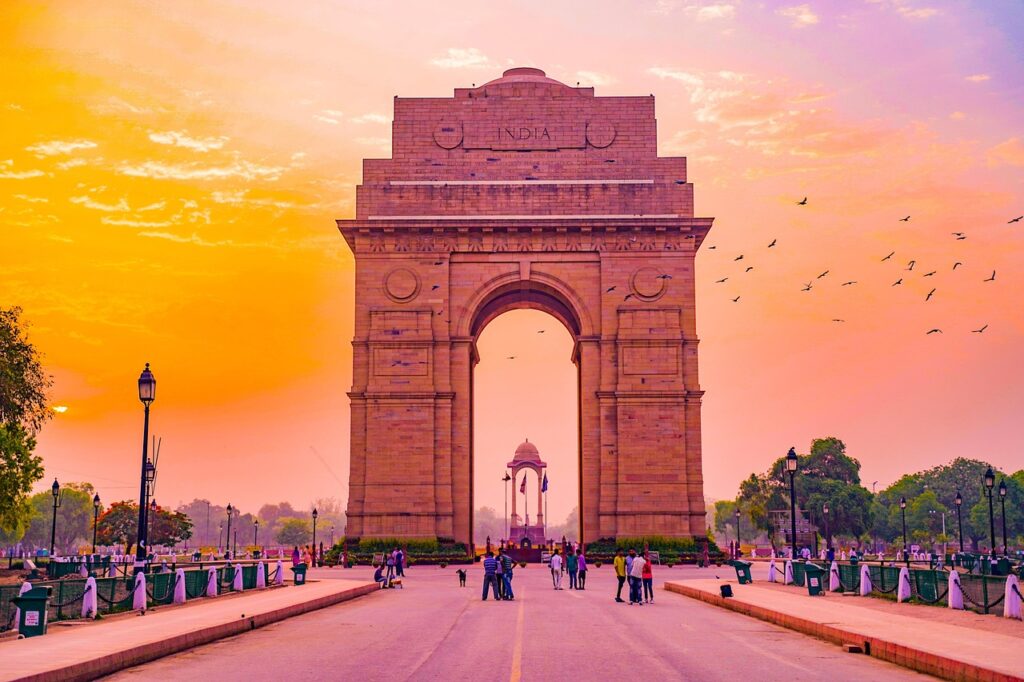
Delhi is a city where the past meets the present in harmony. On one hand, you can admire historic landmarks such as the Red Fort, Qutub Minar, and India Gate, while on the other hand, you have gleaming skyscrapers, high-tech metro systems, and modern business hubs.

This unique balance of heritage and progress makes Delhi not just a place to live but also a place to experience life at its fullest. Unlike many other states, Delhi offers both cultural depth and urban convenience.


2. World-Class Infrastructure

image Source :Pexels

If you’re looking for the best state to live in India with modern infrastructure, Delhi wins hands down. The city boasts well-connected roads, flyovers, expressways, and one of the most efficient metro networks in Asia.

  • Delhi Metro: Safe, clean, and extremely affordable. It connects every corner of the city.
  • Air Connectivity: Indira Gandhi International Airport is one of the busiest and best airports in the world.
  • Roads and Highways: Delhi’s wide roads and expressways ensure smooth travel within the city and to nearby states.

For professionals, students, and families alike, Delhi’s infrastructure makes daily life convenient and stress-free.


3. Employment and Business Opportunities

Street, Image Source : Pexels

When it comes to career growth, Delhi is the best state to live in India for job seekers and entrepreneurs. As the capital, it is home to top government offices, multinational corporations, startups, and countless small businesses.

  • Government jobs and private sector opportunities are abundant.
  • Areas like Gurgaon and Noida (NCR) are booming IT and corporate hubs.
  • The city offers immense potential for entrepreneurs with thriving markets and business-friendly policies.

Simply put, if you’re looking for career advancement and financial stability, Delhi is unmatched.


4. Best Education Facilities

Pic for Representation Purpose Only , Image Source :Pexels

Delhi is often called the education capital of India. It houses some of the finest schools, colleges, and universities in the country.

  • Delhi University (DU) and Jawaharlal Nehru University (JNU) are globally recognized.
  • Premium private schools, international schools, and coaching institutes make Delhi the first choice for parents.
  • Professional and skill development courses are widely available.

For families planning their children’s future, Delhi is the best state to live in India for education.


5. Healthcare Excellence

Pic for Representation Purpose Only ,
Image Source :Pexels

When choosing where to settle, healthcare is a major factor—and Delhi excels here too. The city has world-class hospitals, clinics, and healthcare centers equipped with modern technology and highly qualified doctors.

  • AIIMS, Fortis, Max, and Apollo are just some of the leading names.
  • Affordable government hospitals ensure healthcare for all.
  • 24/7 emergency care and advanced medical facilities provide peace of mind.

Delhi offers healthcare that rivals the best in the world, making it an ideal city for both young families and elderly residents.


6. Shopping and Lifestyle

Pic for Representation Purpose Only , Image Source :Pexels

If you love shopping, Delhi is heaven! From luxury malls like Select Citywalk and DLF Emporio to street shopping paradises like Sarojini Nagar and Chandni Chowk, Delhi has it all.

Beyond shopping, cafes, fine dining restaurants, pubs, and food streets make the city a foodie’s dream. Delhi’s lifestyle is energetic, cosmopolitan, and diverse—perfect for people of all age groups.


7. Cultural and Social Life

Pic for Representation Purpose Only , Image Source :Pexels

Delhi is a melting pot of cultures. People from every state of India call Delhi their home, which means you get to experience all cultures, festivals, and cuisines in one place.

  • Festivals like Diwali, Holi, Eid, and Christmas are celebrated with equal enthusiasm.
  • Cultural events, art exhibitions, music concerts, and theater performances are frequent.
  • Social opportunities and networking are endless.

This cultural richness makes Delhi the best state to live in India if you love diversity.


8. Connectivity to the Rest of India

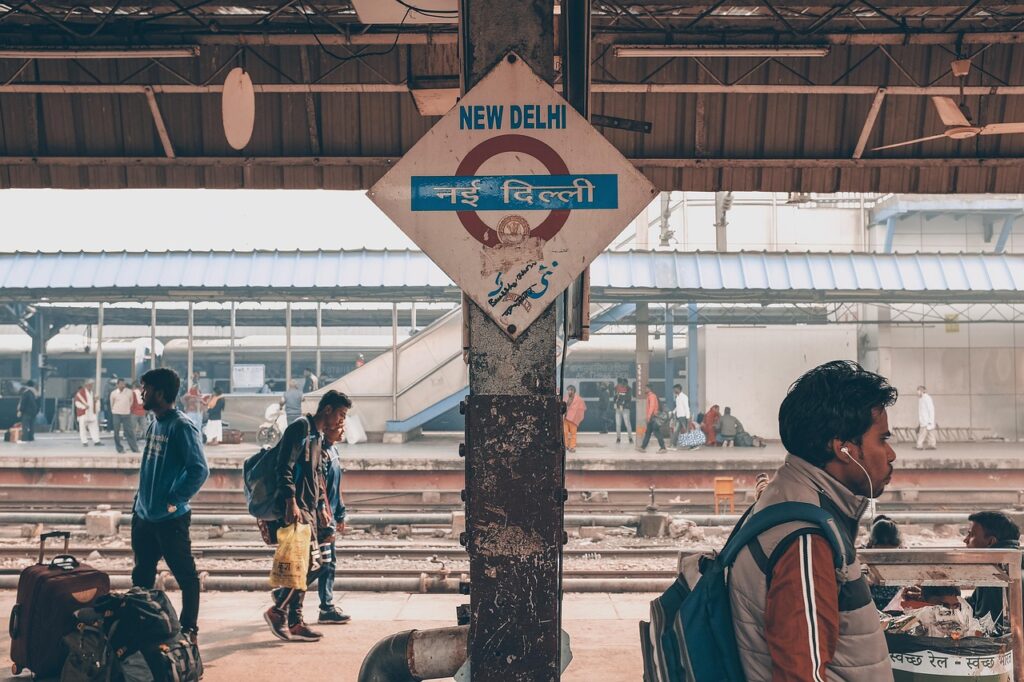
New Delhi Railway Station , Image Source : Pexels

Another major reason why Delhi is the best place to live in India is its unbeatable connectivity. Being the capital, it serves as the gateway to the entire country.

  • Direct trains and flights connect Delhi to almost every city in India.
  • Road trips to nearby hill stations like Manali, Shimla, and Mussoorie are easily accessible.
  • Weekend getaways to Rajasthan, Agra, or Uttarakhand are just hours away.

Living in Delhi means you are always well-connected for work, travel, and leisure.


9. Safety and Security Improvements

Over the years, Delhi has significantly improved in terms of safety and security. With advanced CCTV networks, women-only metro coaches, and stricter law enforcement, the city is becoming safer every day. Gated communities and modern housing societies further add to secure living.


10. A City of Dreams

Pic for Representation Purpose Only , Image Source :Pexels

What makes Delhi truly the best state to live in India is its spirit. It’s a city of dreams where millions come with ambition, and countless succeed. It offers opportunities, lifestyle, and memories like no other place. Whether you are a student, working professional, or family person, Delhi adapts to your needs and helps you thrive.


So, the answer…..

So, when it comes to choosing the best state to live in India, the answer is simple: Delhi. From world-class infrastructure, career opportunities, and education to vibrant lifestyle, cultural diversity, and unmatched connectivity, Delhi has it all.

Living in Delhi is not just about having an address in the capital—it’s about experiencing the heart and soul of India every day. If you’re planning to settle down or relocate, remember: Delhi is not just a city; it’s the best place to call home.

Also Read : How to Plan Multi-Country Trips: Visa Overlaps, Transit Rules & Visa Strategy

Long-Stay Visas : Countries Offering 90 or 180 Days Visas !

Digital Nomad Visas: Where They Are, How to Apply & Cost

Best Foods to Try in Tokyo: A Local’s Guide to Must-Eat Dishes
7-Day Japan Itinerary with JR Pass: Save Money & Time

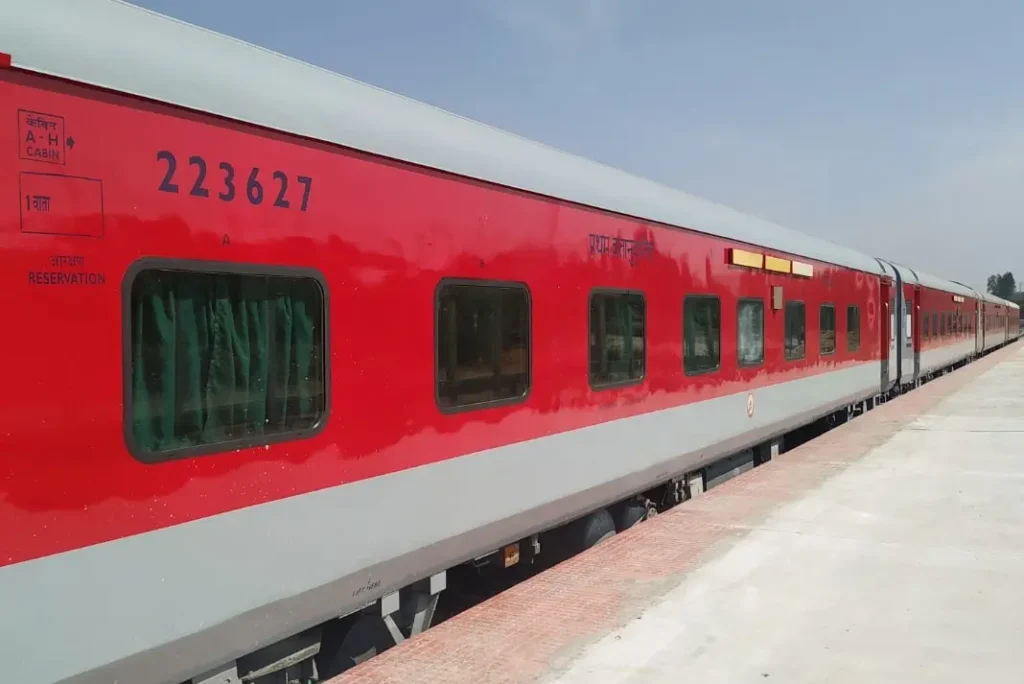
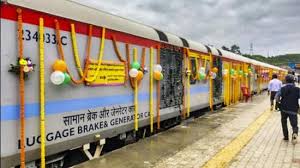
New Delhi Rajdhani Express Train Launched from Sairang to New Delhi: A New Era of Connectivity

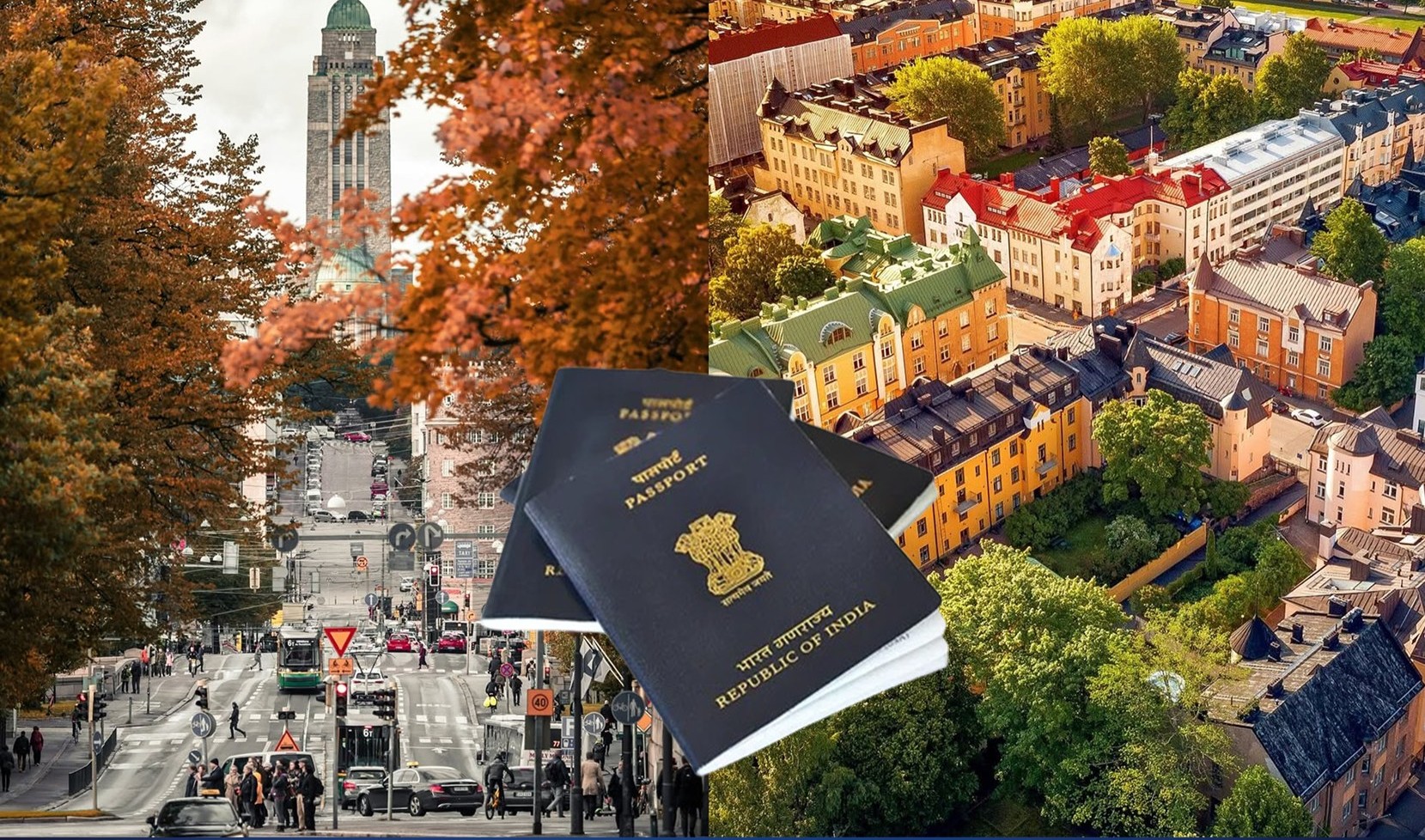
Finland Opens Doors to Indians: Visa, Permanent Residency & Requirements Explained

How to Plan Multi-Country Trips: Visa Overlaps, Transit Rules & Visa Strategy

Planning a multi-country trip across Europe, the Middle East, and Asia? Learn how to manage visa overlaps, transit rules, and smart visa strategies to make your travel seamless and stress-free.

How to Plan Multi-Country Trips: Visa Overlaps, Transit Rules & Visa Strategy , image source : Pexels

The Rising Trend of Multi-Country Travel

The world is seeing a surge in multi-destination travel, with travelers combining countries in Europe, the Middle East, and Asia for longer, more immersive trips. Whether it’s a “Euro + Middle East + Asia tour” or a regional multi-country circuit, the idea is simple: maximize your experience while minimizing logistics headaches.

However, this type of travel comes with unique challenges, especially regarding visas, transit rules, and entry requirements. A trip spanning multiple regions requires careful planning, because each country has its own policies regarding tourist entry, duration of stay, and visa overlaps.


How to Plan Multi-Country Trips: Visa Overlaps, Transit Rules & Visa Strategy

How to Plan Multi-Country Trips , image source : Pexels

Understanding Visa Overlaps

Visa overlaps occur when the validity or duration of one visa affects your entry into another country. For example:

  • Schengen Zone: A 90-day tourist visa in Europe counts cumulatively across 26 countries. If you spend 50 days in France, you can only spend 40 days in Italy, Germany, or Spain within the same 180-day period.
  • Middle East: Some countries, like the UAE or Qatar, offer 30- or 90-day tourist visas. If your previous visa is still valid, or if you’ve recently overstayed in a neighboring country, you may face restrictions or additional scrutiny.
  • Asia: Countries like Thailand, Vietnam, or India have specific entry rules and may not allow visa runs back-to-back without sufficient documentation.

Pro Tip: Always check cumulative stay rules in multi-country regions like Europe, where multiple countries share a visa system.


Transit Rules: What Travelers Often Overlook

How to Plan Multi-Country Trips , image source : Pexels

Transit rules can make or break your itinerary. Key points include:

  • International Airport Transit: Some countries allow you to transit without a visa if you stay in the airport’s international zone. Others require a transit visa, especially in countries like Russia, India, or China.
  • Connecting Flights: Check if your layover airport requires passing through immigration. Some airports mandate clearing customs, which could require a visa even if you’re only transferring.
  • Multi-Airline Itineraries: Booking different airlines can complicate transit requirements, as each carrier may have its own rules for passenger documentation.

Example: A traveler flying from Paris → Dubai → Bangkok may need a UAE transit visa if their layover exceeds 24 hours or if they switch terminals.


Strategic Visa Planning

When planning multi-country trips, adopting a visa-strategy mindset is essential:

1. Prioritize Countries by Entry Ease

Start with countries offering visa-on-arrival or e-visa options. For example, UAE, Thailand, and Turkey provide simplified entry procedures for many nationalities.

2. Map Out Duration vs Validity

Align your trip duration with visa validity. For the Schengen Zone, ensure your total stay across all 26 countries doesn’t exceed 90 days within 180 days. In Asia, check if consecutive visa runs are allowed.

3. Apply Early & Check Overlaps

Apply for visas in advance, especially for countries requiring consular approval. Ensure visa dates do not overlap in conflicting ways, as some countries may reject entry if a traveler is still on a valid visa from a previous country with restrictive rules.

4. Consider Multiple Entry Visas

For regions like the Middle East or Southeast Asia, a multiple-entry visa can save time and money. It allows you to leave and re-enter the country without needing a new visa each time.

5. Use Digital Tools for Planning

Apps like Sherpa, VisaHQ, and IATA Travel Centre help track visa requirements, expiration dates, and transit rules. They’re especially useful for multi-country trips spanning continents.


Common Multi-Country Travel Challenges

How to Plan Multi-Country Trips , image source : Pexels
  1. Visa Denials Due to Prior Travel – Some countries reject travelers who recently visited politically sensitive regions.
  2. Short Transit Windows – Insufficient layover time can create last-minute issues if customs or security delays occur.
  3. Document Requirements – Some countries require proof of onward travel, hotel bookings, or travel insurance. Multi-country trips must organize these in advance.
  4. Cost and Logistics – Multiple visas can be expensive. Planning in clusters (e.g., all Schengen countries together) helps reduce costs.

Sample Multi-Country Trip Strategy: Europe + Middle East + Asia

How to Plan Multi-Country Trips , image source : Pexels

Step 1: Begin in Europe on a Schengen Visa (e.g., France → Italy → Spain).
Step 2: Transit via the Middle East (e.g., Dubai or Doha) using a transit visa or e-visa.
Step 3: Enter Asia (e.g., Thailand → Vietnam → India) using e-visa or visa-on-arrival programs.

Key tips:

  • Ensure flight connections allow adequate buffer for transit immigration.
  • Keep multiple sets of travel documents ready.
  • Avoid backtracking across regions that may trigger entry denial due to prior visa or stay history.

Multi-country travel across Europe, the Middle East, and Asia is becoming increasingly popular, but it requires strategic planning, awareness of visa overlaps, and transit regulations. By prioritizing countries with easier entry requirements, mapping visa validity against trip duration, and using digital tools to track requirements, travelers can enjoy extended itineraries without unnecessary complications.

With rising interest in multi-destination travel, understanding visa strategy, transit rules, and entry documentation is essential. A well-planned trip ensures you focus on exploring and enjoying your journey rather than dealing with last-minute visa issues.

Also Read :  Digital Nomad Visas: Where They Are, How to Apply & Cost

Cheapest Countries to Visit from India in 2025 – Budget Travel Guide !

59 Visa Free Countries for Indian Passport 2025

Finland Opens Doors to Indians: Visa, Permanent Residency & Requirements Explained

New Delhi Rajdhani Express Train Launched from Sairang to New Delhi: A New Era of Connectivity

7-Day Japan Itinerary with JR Pass: Save Money & Time

Best Foods to Try in Tokyo: A Local’s Guide to Must-Eat Dishes
Long-Stay Visas : Countries Offering 90 or 180 Days Visas !

Thinking of a slow-travel escape? This guide lists countries that permit tourist stays longer than 90 days (or up to 180 days), explains long-stay vs residence visas, covers pros/cons, and shows how to qualify and extend your stay legally.

Long-Stay Visas , image source : Pexels

Why long-stay visas matter right now ?

More travellers want to slow-travel, work remotely, or test a new country before relocating. Governments have responded with flexible tourist permits, dedicated long-stay programs, and new “digital nomad” or long-term resident (LTR) visas that let visitors stay well beyond the usual 90-in-180 Schengen rule. Below are real options to consider.


Long-Stay Visas : Countries Offering 90 or 180 Days Visas !

Mexico — visitor permit up to 180 days

Mexico City , Long-Stay Visas , image source : Pexels

Mexico’s visitor permit (FMM) can be issued for up to 180 calendar days for tourism and short courses (no paid work). The exact number is discretionary at the border but 180 days is widely granted. This makes Mexico one of the most travel-friendly long-stay options in the Americas.

Panama — many nationals can stay up to 180 days

Panama Canal , Long-Stay Visas , image source : Pexels

Panama offers tourist stays up to 180 days for many passport holders (notably including U.S. and Canadian travellers under a 2021 resolution), though rules can vary by nationality and are strictly enforced at entry. Always confirm before travel and ensure you receive a stamped entry record.

Indonesia — B211A / Visit visa routes up to 180 days

Indonesia, Long-Stay Visas , image source : Pexels

Indonesia’s B211A (social-cultural / visit) visa and some tourist/visit visa arrangements allow extensions in increments and can permit a total stay of up to 180 days (extensions typically in 60-day blocks). Rules and entry options changed since 2022–2024, so check the latest Indonesian immigration guidance prior to travel.

Maldives & Sri Lanka — flexible 30→90 / 30→90 options

Maldives & Sir Lanka , Long-Stay Visas , image source : Pexels

Island destinations like the Maldives typically grant 30-day visas on arrival that are extendable (often up to 90 days total). Sri Lanka’s ETA can also allow tourist stays up to 90 days depending on visa type and nationality. These are great for longer tropical vacations but are not 180-day solutions.

Thailand — standard tourist vs LTR / digital-nomad routes

Thailand , Long-Stay Visas , image source : Pexels

Thailand’s normal tourist visa regime is still based on shorter stays (30–90 days with extensions), but Thailand introduced the Long-Term Resident (LTR) Visa and several long-stay options (targeting retirees, investors, skilled professionals, and digital nomads) that can grant multi-year privileges (including 10-year LTR categories under specific eligibility). These are not “on-arrival” tourist stamps but formal long-stay entry visas.


Long-stay tourist permit vs residence visa — what’s the difference?

  • Extended tourist permit: Usually an entry stamp or visitor permit (e.g., Mexico 180 days, Panama up to 180 days). Not intended for long-term legal residency or paid employment.
  • Long-stay / residence visa: Formal visas (D visas, non-lucrative visas, D7, LTR, etc.) that let you live, sometimes work, or apply for residency—usually requiring proof of funds, insurance, background checks, and an application at consulates/embassies.

Which popular destinations are increasing visa durations?

  • Mexico & Panama: Actively used and in some cases clarified to allow 180-day visitor permits, attracting long-stay tourists and remote workers.
  • Southeast Asia: Countries such as Thailand have moved to diversify long-stay pathways (LTR, digital-nomad schemes). Indonesia has more flexible visit visa rules (B211A) that can reach 180 days with extensions.
  • Island nations (Maldives, Sri Lanka) have simplified or piloted longer short-term stays (usually up to 90 days) to boost tourism.

Pros & cons of long-stay tourist / long-term visas

Pros

  • More time to explore, work remotely, study, or “try living” in a country.
  • Lower visa-processing cost/time than full residency in many cases.
  • Legal protection and clarity if you follow rules (entry stamp, extensions).

Cons

  • Visitor permits usually prohibit local paid work—doing so can cause fines, deportation, or bans.
  • Overstays lead to penalties, fines, future entry bans, or deportation. Always check extension rules.
  • Long-stay residence visas usually require more documentation: proof of funds, health insurance, background checks.

How to qualify & practical tips

  1. Check official sources first — embassy or immigration websites for up-to-date rules (entry stamp length is often discretionary).
  2. Have return/exit proof — many countries require a return ticket or proof you can leave before the permitted stay ends.
  3. Show sufficient funds & insurance — especially for longer stays or residence visas. D7/Non-lucrative or LTR programs require documented income or assets.
  4. Apply for extensions before expiry — extensions often have lead-time windows and fees. Don’t overstay.
  5. Be honest about activities — volunteering vs paid work matters; paid work often needs a work permit/residence visa.
  6. Keep arrival stamps and stamped paperwork — immigration can challenge overstays without evidence of legal entry/extension.

Quick checklist before booking a long stay

  • Confirm max days permitted on arrival for your nationality.
  • Check extension rules, costs, and required documents.
  • Get travel health insurance covering the full period.
  • Know exit/entry stamp policy (you may need a stamp to prove entry).
  • If you plan to work, consult immigration about work/residence options.

Also Read : Digital Nomad Visas: Where They Are, How to Apply & Cost

Cheapest Countries to Visit from India in 2025 – Budget Travel Guide !

59 Visa Free Countries for Indian Passport 2025

Finland Opens Doors to Indians: Visa, Permanent Residency & Requirements Explained

New Delhi Rajdhani Express Train Launched from Sairang to New Delhi: A New Era of Connectivity

7-Day Japan Itinerary with JR Pass: Save Money & Time

Best Foods to Try in Tokyo: A Local’s Guide to Must-Eat Dishes

Digital Nomad Visas: Where They Are, How to Apply & Cost

Deep dive into countries offering nomad visas, a side-by-side look at duration, cost, benefits (tax, healthcare, remote-work permission) — plus trends and practical tips to pick the right program.

Digital Nomad Visas , image source : Pexels

Digital nomad visas have exploded in number: dozens of countries now offer remote-worker visas or special permits (especially across Europe and the Caribbean). Programs vary widely on length (months → multiple years), eligibility (income minimums, job type), fees and benefits (tax rules, access to healthcare, family inclusion). If you plan to move and work from abroad, compare income thresholds, health-insurance rules, and tax residency triggers before applying.


Why countries are launching nomad visas (trend)

Digital Nomad Visas , image source : Pexels

Governments see digital nomads as a low-risk source of tourism and foreign income, especially for cities with good internet and coworking scenes. The program count keeps rising as countries compete for remote workers who spend locally but don’t take local jobs — expect more launches and tweaks.


Who offers them (high-level)

Digital Nomad Visas : image source : Pexels

There isn’t one canonical list, but authoritative trackers show 40–70+ countries with some kind of remote-worker program in 2025 — from short visitor permits to multi-year residence visas. Popular regions: Europe (Spain, Portugal, Estonia, Georgia, Croatia, etc.), the Caribbean (Barbados, Antigua), parts of Latin America (Colombia, Costa Rica), and some Asian/Pacific experiments.


Quick comparison (examples & notable differences)

Country / ProgramTypical lengthIncome requirement (typical)Typical cost (application + fees)Notable benefits / caveats
Estonia (Digital Nomad Visa)up to 1 year (short/long types)~€3,500–4,500/month (varies by source/rule)State fee €80–€100 for visa types; other admin costs possible.Clear online process, good e-gov services; watch permit type.
Barbados (Welcome Stamp)12 monthsOften ≥ US$50,000 annual incomeProgram page lists official process (fee varies by year)Tropical lifestyle, tourism infrastructure; private health insurance is required.
Portugal (D7 / Digital Nomad options)Residence permit → renewablePassive income or remote income thresholds (varies)Combined visa + residence permit fees ~€200–€400 (official fees vary).Access to Portuguese health system after residency; attractive lifestyle & Schengen access for long-term holders.

Note: table is illustrative — exact income thresholds, permitted work definitions, and fees change frequently. Always check the official immigration page for the country you’re considering.


Taxes & healthcare — what to watch for

  • Tax residency: Many nomad visas allow you to live there but don’t automatically change your tax residency. However, spending more than a statutory number of days (often 183 days) or establishing a habitual abode can create tax obligations. Check double-tax treaties and local rules.
  • Healthcare: Some visas require private health insurance during your stay (Barbados, many EU countries), while others let you join national public systems only after formal residency. Budget for insurance if the program requires it.

How to apply — general step-by-step

Digital Nomad Visas , image source : Pexels
  1. Check official eligibility: income floor, allowed remote work (self-employed vs employed by foreign company), clean criminal record, passport validity.
  2. Gather documents: passport, employment/contract proof, bank statements, health insurance, accommodation proof, CV/portfolio.
  3. Apply online or at consulate: many countries accept online submissions; some require in-person consular appointments. (Estonia and many EU programs use e-forms; others require embassy visits.)
  4. Pay fees & wait: processing times differ — from a few weeks to a few months.
  5. Arrive, register locally: get residence card, local tax number, and health registration if applicable.

Cost ballpark (what you should budget)

Digital Nomad Visas , image source : Pexels

Application/processing fees vary enormously: under $100 in some countries to several hundred or a few thousand dollars in others (Caribbean programs can be pricier). Add translation/legalization, travel, health insurance, and possible lawyer fees. Sources tracking programs show a wide range — budget carefully and get the latest official fee list before applying.


Picking the right program — a checklist

Digital Nomad Visas , image source : Pexels
  • How long do you want to stay? (months vs years)
  • Does the income requirement match your reality? (monthly vs annual minimum)
  • Are you okay buying private health insurance?
  • Will you trigger tax residency where you currently live? (consult a tax advisor)
  • Family & dependents: can you bring them? (rules vary)
  • Cost & bureaucracy appetite: self-service online vs complex in-person process.

Practical tips & red flags

  • Tip: Keep clear documentation of where you earn income (country of employer/clients) and proof you didn’t enter local labor market.
  • Red flag: Programs that encourage you to pretend you’re a tourist while working locally — follow the rules to avoid fines or deportation.
  • Pro tip: Join nomad communities (country-specific Facebook groups, Nomad List, local coworking Slack) for up-to-date on-the-ground advice.

The future of nomad visas

Digital nomad visas are moving from novelty to mainstream immigration tools — governments keep iterating the rules (income floors, family rights, tax-specific tweaks). If location freedom matters to you, these programs open exciting choices — but always verify official government guidance before spending time/money

Also Read : Cheapest Countries to Visit from India in 2025 – Budget Travel Guide !

59 Visa Free Countries for Indian Passport 2025

Finland Opens Doors to Indians: Visa, Permanent Residency & Requirements Explained

New Delhi Rajdhani Express Train Launched from Sairang to New Delhi: A New Era of Connectivity

7-Day Japan Itinerary with JR Pass: Save Money & Time

Best Foods to Try in Tokyo: A Local’s Guide to Must-Eat Dishes
Best Foods to Try in Tokyo: A Local’s Guide to Must-Eat Dishes
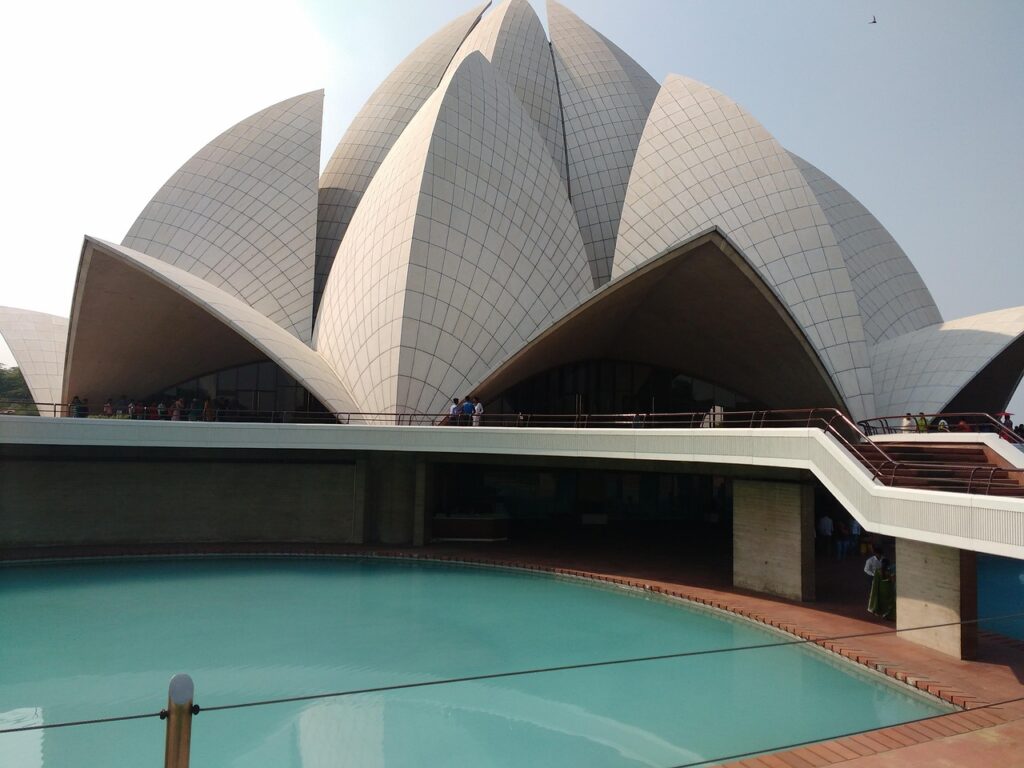
Best Foods to Try in Tokyo , image source : Unsplash

Tokyo isn’t just Japan’s bustling capital; it’s also a paradise for food lovers. From Michelin-starred sushi restaurants to humble ramen stalls tucked in narrow alleys, Tokyo offers a culinary adventure like no other. If you’re planning a trip, you might be wondering: What are the best foods to try in Tokyo?

In this guide, we’ll explore Tokyo’s must-try dishes, the best spots to enjoy them, and insider tips to make your food journey unforgettable.

Best Foods to Try in Tokyo: A Local’s Guide to Must-Eat Dishes

Why Tokyo is a Foodie’s Heaven ?

Best Foods to Try in Tokyo, image source : Unspalsh

Tokyo is home to more Michelin-starred restaurants than any other city in the world. But you don’t have to spend a fortune to enjoy delicious food here. Whether it’s sushi, tempura, ramen, or street snacks, the city offers flavors to fit every budget.

The best foods to try in Tokyo blend traditional Japanese culinary culture with modern creativity. Let’s dive into the dishes you shouldn’t miss.


1. Sushi – The Icon of Tokyo

Best Foods to Try in Tokyo, Dish name : Sushi , image source : Unsplash

When it comes to sushi, Tokyo sets the global standard. Head to Tsukiji Outer Market for fresh and affordable sushi or book a seat at Sukiyabashi Jiro if you want to splurge on a Michelin-starred experience.

  • Must-Try: Nigiri sushi with tuna (maguro) and sea urchin (uni).
  • Tip: Go early in the morning for the freshest catch.

2. Ramen – Comfort in a Bowl

Best Foods to Try in Tokyo: A Local’s Guide to Must-Eat Dishes, Ramen , image source : Unsplash

Ramen in Tokyo is serious business. Each shop perfects its broth and noodles, creating unique flavors. You’ll find varieties like shoyu (soy sauce), shio (salt), miso, and tonkotsu (pork bone).

  • Where to Try:
    • Ichiran Ramen for solo dining and tonkotsu broth.
    • Afuri Ramen for its famous yuzu-flavored broth.
  • Tip: Don’t be shy to slurp – it’s a sign of appreciation!

3. Tempura – Crispy and Light

Tempura is another dish you must try in Tokyo. Vegetables, shrimp, and even seasonal fish are coated in a light batter and deep-fried to perfection.

Best Foods to Try in Tokyo: A Local’s Guide to Must-Eat Dishes , Tempura , image source : unsplash
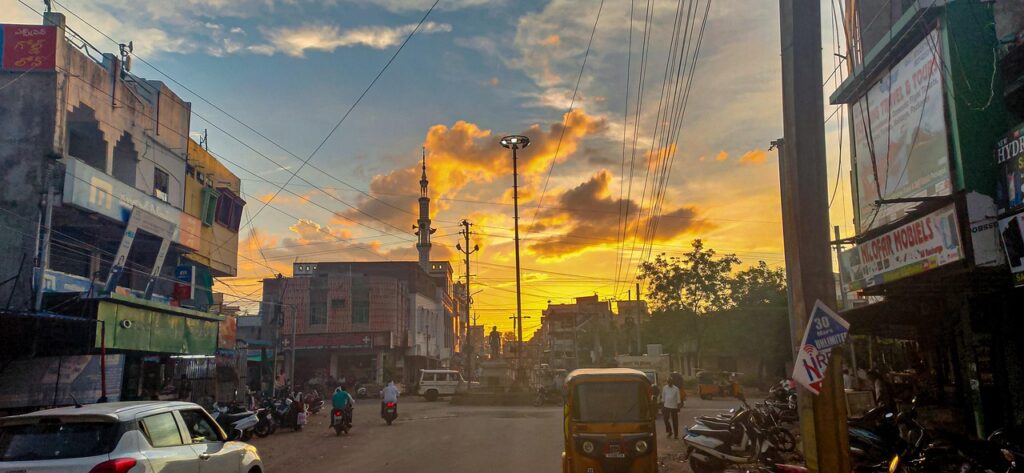
  • Where to Try: Tempura Kondo in Ginza (Michelin-starred) or local tempura stalls for budget-friendly options.
  • Best Pairing: A bowl of rice and dipping sauce.

4. Wagyu Beef – Melt-in-Your-Mouth Luxury

Wagyu Beef, image source : Unsplash

Japan is famous for its Wagyu beef, and Tokyo has plenty of restaurants that serve this delicacy. Whether grilled as yakiniku, served as steak, or in shabu-shabu hotpot, the marbling and tenderness are unforgettable.

  • Top Spot: Yoroniku in Minami-Aoyama.
  • Tip: Try wagyu sushi if you want something unique.

5. Okonomiyaki – Japanese Savory Pancake

Okonomiyaki , image source : unsplash

Okonomiyaki is often called “Japanese pizza,” but it’s more like a savory pancake filled with cabbage, meat, or seafood, and topped with mayonnaise and special sauce. While Osaka is its birthplace, Tokyo offers its own style called Monjayaki, which has a runnier texture.

  • Best Area: Tsukishima, known as “Monja Street.”
  • Tip: Cook it yourself at tabletop grills for the full experience.

6. Yakitori – Grilled Chicken Skewers

Yakitori , image source : unsplash

Yakitori is a popular street food and bar snack in Tokyo. Skewers of chicken parts – from thighs to skin – are grilled over charcoal and brushed with tare sauce or simply salted.

  • Where to Go: Omoide Yokocho in Shinjuku or Yakitori Alley near Yurakucho Station.
  • Best With: A cold glass of beer or sake.

7. Soba and Udon – Traditional Japanese Noodles

Soba and Udon , image source : unsplash

Tokyo locals love their noodles. Soba (buckwheat noodles) can be eaten hot in broth or cold with dipping sauce. Udon (thick wheat noodles) is comforting and chewy.

  • Where to Try: Kanda Yabu Soba (over 100 years old) for soba, and Shin Udon in Shinjuku for creative udon dishes.

8. Street Food Snacks – Quick Bites You Can’t Miss

Tokyo’s street food scene is vibrant and budget-friendly. Must-try snacks include:

  • Takoyaki: Octopus balls topped with mayo and bonito flakes.
  • Taiyaki: Fish-shaped pastry filled with sweet red bean paste.
  • Dango: Skewered rice dumplings glazed with soy sauce.
  • Best Spot: Nakamise Street in Asakusa for traditional Japanese street food.

9. Matcha Desserts – Sweet Ending

End your food adventure with matcha (green tea) treats. From soft-serve ice cream to cakes and parfaits, Tokyo is heaven for matcha lovers.

Matcha Desserts , image source : Unsplash
  • Try at: Nakamura Tokichi or Tsujiri for authentic Kyoto-style matcha desserts.

Tips for Eating in Tokyo

  1. Cash is King: Many small eateries still prefer cash.
  2. Queue with Patience: Long lines often mean great food.
  3. Respect Dining Etiquette: Don’t stick chopsticks upright in rice, and avoid speaking loudly.

Final Thoughts

From sushi and ramen to wagyu and matcha desserts, Tokyo is a culinary wonderland. The best foods to try in Tokyo are not just meals but cultural experiences. Whether you’re dining at Michelin-starred restaurants or grabbing a snack at a street stall, every bite tells a story of tradition, craftsmanship, and flavor.

So pack your appetite and let Tokyo’s food scene take you on an unforgettable journey!

Also Read : 7-Day Japan Itinerary with JR Pass: Save Money & Time

Cheapest Countries to Visit from India in 2025 – Budget Travel Guide !

7-Day Japan Itinerary with JR Pass: Save Money & Time

7-Day Japan Itinerary with JR Pass , image source : unplash

This 7-Days Japan Itinerary covers Tokyo, Hakone, Kyoto, Osaka, and Hiroshima — the perfect mix of tradition, modernity, and culture. Whether it’s ancient temples, futuristic cities, or scenic landscapes, Japan offers it all. With just one week, you can explore the country’s highlights while keeping your journey smooth and budget-friendly.

Why Choose a 7-Days Japan Itinerary?

Japan can feel overwhelming for first-time travelers because there’s so much to see. A 7-day itinerary ensures you visit major attractions without rushing. You’ll get a taste of historic temples, bullet trains, hot springs, bustling markets, and peaceful shrines — all in one trip.


📅7-Day Japan Itinerary with JR Pass

Day 1: Arrival in Tokyo

Shibuya, Tokyo, Japan, Image source : unsplash

Your Japan adventure starts in Tokyo, the capital city.

7-Day Japan Itinerary with JR Pass , Asakusa’s Sensoji Temple, image source : unplash
  • Explore Asakusa’s Sensoji Temple, Tokyo’s oldest temple.
  • Head to Shibuya Crossing, the busiest pedestrian crossing in the world.
  • End the day in Shinjuku, filled with neon lights, izakayas, and shopping centers.

💡 Tip: Get a Suica or Pasmo card for easy subway and bus travel in Tokyo.


Day 2: Tokyo Sightseeing

7-Day Japan Itinerary with JR Pass , Shibuya, Tokyo, Japan , image source : Unplash.com

Dive deeper into Tokyo’s modern side.

  • Visit Tokyo Skytree (634 meters tall) for panoramic views.
  • Explore Akihabara, Japan’s electronic and anime hub.
  • Relax in Ueno Park and visit the Tokyo National Museum.
  • In the evening, enjoy street food at Ameya Yokocho Market.

Day 3: Tokyo to Hakone (Day Trip)

Hakone Ropeway , image source : unsplash

Escape the city and head to Hakone, famous for hot springs, Mount Fuji views, and art museums.

  • Ride the Hakone Ropeway for a breathtaking view of Mt. Fuji.
  • Take a Lake Ashi Pirate Ship Cruise.
  • Visit the Hakone Open-Air Museum, showcasing modern sculptures in a natural setting.

💡 Get the Hakone Freepass (~¥5,000) to save on transport, ropeway, and cruise.


Day 4: Hakone to Kyoto

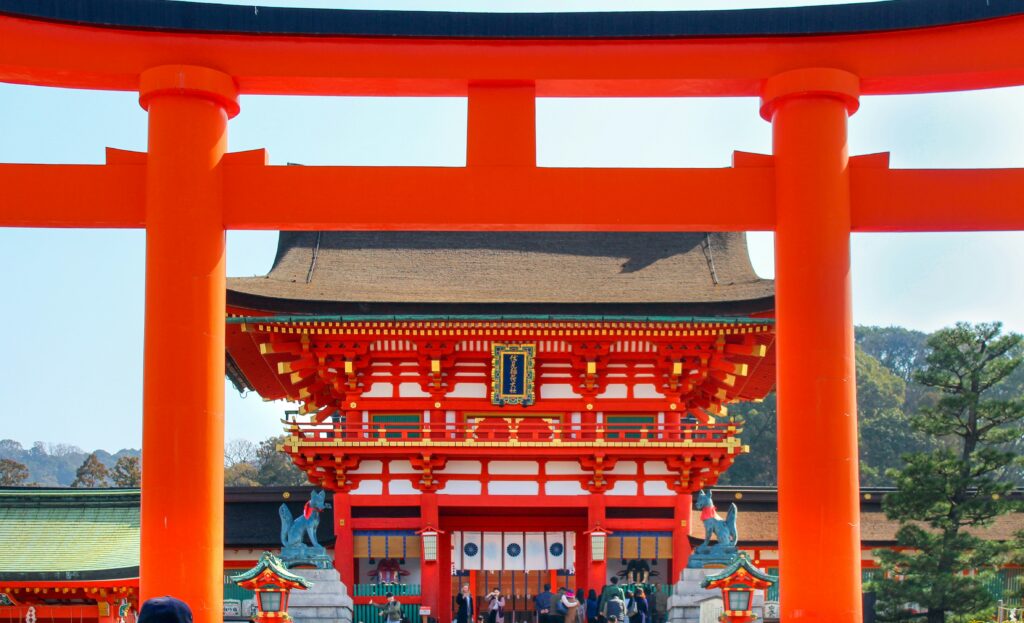
7-Day Japan Itinerary with JR Pass , Fushimi Inari Shrine , image source : unsplash

Take the Shinkansen (bullet train) from Odawara to Kyoto.

  • Visit Fushimi Inari Shrine, famous for its 10,000 red torii gates.
  • Explore Gion District, known for geisha culture and traditional tea houses.
  • Walk through Kiyomizu-dera Temple, offering stunning views of Kyoto city.

Day 5: Kyoto to Osaka

7-Day Japan Itinerary with JR Pass , Osaka Castle

Travel just 30 minutes by train to Osaka, Japan’s food capital.

  • Visit Osaka Castle, a symbol of Japan’s history.
  • Explore Shinsekai for nostalgic vibes and local eats.
  • Try Osaka’s street food: Takoyaki (octopus balls) and Okonomiyaki (Japanese pancake).
  • In the evening, visit Dotonbori, Osaka’s neon-lit nightlife hub.

Day 6: Osaka to Hiroshima (Day Trip)

7-Day Japan Itinerary with JR Pass , Miyajima Island

Hop on a Shinkansen to Hiroshima.

  • Pay respects at the Hiroshima Peace Memorial Park and Museum.
  • Take a ferry to Miyajima Island, home to the famous floating torii gate of Itsukushima Shrine.
    Return to Osaka in the evening.

Day 7: Osaka to Tokyo (Departure)

Take the Shinkansen back to Tokyo. Spend your last few hours shopping in Ginza or exploring Harajuku’s Takeshita Street for quirky fashion and souvenirs before catching your flight.


🚅 Transport Tips: JR Pass vs Individual Tickets

7-Day Japan Itinerary with JR Pass, japan rail , image source : unplash
  • JR Pass (7 days): ¥29,650 (~₹19,300)
    • Best if you’re traveling long distances (Tokyo–Kyoto–Osaka–Hiroshima–Tokyo).
    • Saves around ₹10,000+ compared to buying separate tickets.
  • Without JR Pass: Cheaper if staying only around Tokyo, Hakone, and Kyoto.

💰 Estimated Budget for 7 Days in Japan

  • With JR Pass: ~₹27,500 (includes transport + passes + entries)
  • Without JR Pass: ~₹38,000
  • Daily food cost: ₹1,200–2,000 (budget meals at konbini and ramen shops).
  • Accommodation: Hostels from ₹1,500/night, hotels from ₹3,000/night.

🌸 Best Time to Visit Japan

  • Spring (March–May): Cherry blossoms, pleasant weather.
  • Autumn (September–November): Beautiful red and golden leaves.
  • Avoid Golden Week (late April–early May) due to heavy crowds.

✅ Final Travel Tips

  • Always carry cash (many small shops don’t accept cards).
  • Get a portable WiFi or SIM card for easy navigation.
  • Download Google Maps + Hyperdia/Japan Travel app for trains.
  • Respect Japanese etiquette: bowing, removing shoes indoors, and quiet public transport.

📌 Conclusion

This 7-Day Japan Itinerary gives you the perfect balance of modern cities, historic temples, natural wonders, and cultural experiences. From Tokyo’s neon lights to Kyoto’s shrines, from Hakone’s Mt. Fuji views to Hiroshima’s moving history — Japan is a journey you’ll never forget.

Whether you choose the JR Pass or individual tickets, plan smart, travel light, and enjoy every moment of your Japanese adventure.

Also read: Cheapest Countries to Visit from India in 2025 – Budget Travel Guide !

New Delhi Rajdhani Express Train Launched from Sairang to New Delhi: A New Era of Connectivity

New Delhi Rajdhani Express Train Launched from Sairang to New Delhi, image source : mysuru infra hub

New Delhi Rajdhani Express Train Launched from Sairang to New Delhi

India’s railway network continues to expand, and the latest addition is a historic one. The New Delhi Rajdhani Express train from Sairang to New Delhi has officially been launched, connecting the northeastern state of Mizoram directly to the national capital with India’s premier train service. This development is being hailed as a milestone in improving connectivity, economic growth, and cultural exchange between the North East and the rest of the country.

In this blog, we’ll dive deep into the details of this new service, its significance, features, benefits, and what it means for the people of Mizoram and travelers alike.

Rajdhani Express, Sairang to Anand vihar , image source : Wikipedia

Why the Sairang–New Delhi Rajdhani Express Matters

For decades, the North Eastern states of India have faced challenges in terms of connectivity. While road and air networks have improved, railway connectivity has been relatively limited. With the launch of the Sairang to New Delhi Rajdhani Express, Mizoram gets its first direct Rajdhani connection to the heart of India.

This train is not just about faster travel—it’s about bridging distances, providing affordable luxury travel, and opening new opportunities for trade, tourism, and development.

Key Features of the New Delhi Rajdhani Express from Sairang

  1. Premium Service
    Rajdhani trains are known for their speed, comfort, and service. Passengers on this route will enjoy world-class amenities, comfortable seating, and onboard catering.
  2. Faster Connectivity
    The train drastically reduces travel time compared to other options, making it the fastest rail connection between Mizoram and New Delhi.
  3. Modern Coaches
    Equipped with LHB coaches, the train ensures enhanced safety, smooth rides, and better travel experience.

  4. Onboard Catering
    Passengers will enjoy hot meals, snacks, and beverages, included in the ticket price, as per the Rajdhani tradition.

  5. Safety & Security
    With CCTV surveillance, smoke detectors, and attentive staff, passenger safety remains a top priority.

Route and Schedule of the Sairang–New Delhi Rajdhani

  • Origin: Sairang (near Aizawl, the capital of Mizoram)
  • Destination: New Delhi Railway Station
  • Major Stops: Expected to include Silchar, Guwahati, New Jalpaiguri, Patna, and Kanpur before reaching Delhi.
  • Frequency: Initially, the train is likely to run twice a week, with possibilities of daily services in the future.
  • Journey Duration: Around 40–42 hours, depending on route timings.

This schedule ensures maximum connectivity for passengers from Mizoram while also linking with other key states along the way.


Benefits of the New Delhi Rajdhani Express for Mizoram and Beyond

image source :hindustan times

1. Boost to Tourism

Mizoram, with its breathtaking landscapes, hills, and cultural heritage, will now be more accessible to domestic tourists. A direct Rajdhani link will encourage travelers from across India to explore the beauty of this northeastern gem.

2. Economic Opportunities

The rail link strengthens trade routes, enabling smoother transportation of goods like bamboo, handlooms, handicrafts, and agricultural produce from Mizoram to markets in Delhi and beyond.

3. Convenience for Students and Professionals

Thousands of students and professionals from Mizoram travel to Delhi for education and jobs. The new Rajdhani ensures faster, safer, and more comfortable travel, reducing dependency on flights or long bus journeys.

4. National Integration

Beyond infrastructure, this train represents a step towards uniting the diverse regions of India. Mizoram’s direct rail link to the capital will foster cultural exchange and integration.


Comparing Travel Options: Why Choose the Rajdhani?

Travel OptionTime TakenCost Range (Approx.)Comfort LevelConvenience
Flight (Aizawl–Delhi)3–4 hours (with layovers)₹6,000–₹12,000HighLimited frequency
Road + Train combo2–3 days₹2,500–₹4,500ModerateInconvenient
Rajdhani Express (Sairang–Delhi)~40–42 hours₹2,000–₹5,500Very HighDirect & reliable

Clearly, the Rajdhani strikes the perfect balance between cost and comfort, especially for long-distance travelers.


What Passengers Can Expect Onboard

  • AC Classes Only: 1st AC, 2nd AC, and 3rd AC coaches for premium comfort.
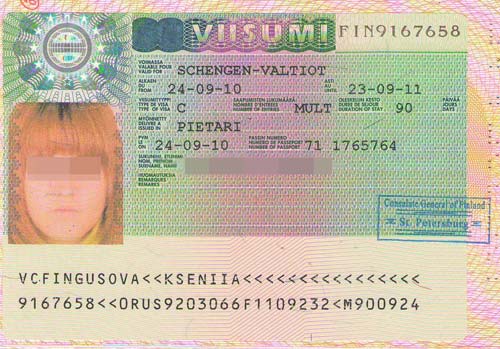
  • Bedding Included: Clean sheets, blankets, and pillows provided.
  • Wi-Fi Enabled Coaches: For entertainment and work on the go.
  • Catering Service: Breakfast, lunch, evening snacks, and dinner served hot and fresh.
  • Attentive Staff: Well-trained staff to assist passengers throughout the journey.

Government’s Vision Behind the Launch

The introduction of the New Delhi Rajdhani Express from Sairang aligns with the Indian government’s broader goal of improving infrastructure in the North East. It reflects the policy of “Act East” and emphasizes inclusivity by bringing remote states closer to the national mainstream.

Prime Minister and Railway Ministry officials highlighted that this move is not just about trains—it’s about ensuring every citizen, regardless of location, feels connected to India’s growth story.


Challenges Ahead

While the launch is promising, certain challenges remain:

  • Ensuring punctuality across such a long route.
  • Maintaining world-class catering standards.
  • Addressing high demand during festive seasons.
  • Expanding the frequency to daily services.

Nonetheless, the overall reception is overwhelmingly positive, and the service is expected to become a lifeline for many.


Conclusion

The launch of the New Delhi Rajdhani Express train from Sairang to New Delhi marks a historic milestone in India’s railway journey. It is more than just a train—it is a bridge of opportunity, growth, and national integration. For Mizoram, it promises economic upliftment, better connectivity, and a chance to showcase its culture to the world. For India, it underscores the commitment to inclusive development and modern infrastructure.

Whether you’re a student, tourist, businessperson, or simply a travel enthusiast, this Rajdhani Express promises a journey worth experiencing.

Also read :

iPhone 17 Pro vs Samsung Galaxy S25: Best Smartphone Choice for 2025

Royal Enfield 125cc 2025: Price, Features, and Launch Details

No 1 Apps with Best Reward for Paying the Credit Card Bill in India?

Finland Opens Doors to Indians: Visa, Permanent Residency & Requirements Explained

Finland Opens Doors to Indians , image source : the india tapes/ facebook

Finland has recently made it easier for Indian nationals to move, settle, and build lives in one of Europe’s happiest, cleanest, and most stable countries. Whether you are looking for study, work, or permanent residence, understanding the updated Finland visa and immigration requirements for Indians is crucial. Here’s a complete guide.

Finland Opens Doors to Indians: Visa, Permanent Residency & Requirements Explained

Finland: One of the Happiest Country in the World !

Scenic summer panorama of the Market Square (Kauppatori) at the Old Town pier in Helsinki, Finland , image source : istock

Finland has consistently ranked as the world’s happiest country according to the United Nations World Happiness Report. The nation’s high quality of life, excellent healthcare, free education, strong social support, low corruption, and deep connection with nature contribute to this recognition. For Indians looking to settle abroad, Finland offers not just career opportunities but also a balanced, stress-free lifestyle that prioritizes well-being and community.

Why Finland is Becoming Attractive for Indians ?

  • Finland is ranked world’s happiest country for multiple years and offers a high standard of living: excellent healthcare, education, social security, safety, and environmental quality.
  • Recent policy changes aim to simplify applying for Permanent Residency (PR) for Indians, making long-term migration more feasible.
  • Finland is part of the Schengen Area, which means once you have appropriate status in Finland you can benefit from travel across many European countries.

What Visas are Available to Indians ?

sample pic of finland visa, image source : wikipedia

Depending on your purpose, you may apply for:

  1. Schengen Short‐Stay Visas (Type C) – for tourism, family visits, business meetings etc., up to 90 days. VFS GLOBAL
  2. Residency Permits / Long‐Term Visas – for work, study, family reunification, or permanent settlement.

Recent Change: Permanent Residency for Indians

The big news is that Finland has opened up its Permanent Residence Permit route for Indian citizens, with defined eligibility criteria. Here’s what you need to know:

Eligibility Criteria

  • You must have lived continuously in Finland for at least 4 years under an A-type residence permit. From January 2026, this requirement may increase to 6 years.
  • Of those years, at least 2 years must have been spent physically present in Finland.
  • Clean criminal record.
  • Plus, you must satisfy one of the following additional conditions:
    a) Have a certain minimum annual income (≈ €40,000)
    b) Possess a postgraduate degree recognised in Finland plus two years’ work experience.
    c) Demonstrate advanced proficiency in Finnish or Swedish (level C1) with three years’ work experience.
  • You must apply from inside Finland.

Required Documents for PR Application

To apply for Permanent Residency, Indians will typically need:

  • Valid passport.
  • Passport-sized colour photographs, per Finnish guidelines.
  • Proof of identity page etc. (copy of passport ID page)
  • Documents proving continuous residence under type A permit.
  • Proof of physical presence (you spent required time in Finland).
  • Evidence of meeting one of the extra conditions (income statements, work experience letters, academic degrees, language proficiency certificates, etc.).
  • Clean criminal record certificate.

Application Process

  1. Check your eligibility: review that you meet continuous residence + physical stay + extra condition.
  2. Gather all documents: from identity, permit records, proof of income or academic credentials, language certificates if relevant.
  3. Submit application via Enter Finland portal, or through paper form (depending on your case).
  4. Pay the fee: online vs paper, minors have different cost.
  5. Biometrics & identity verification: you may need to give fingerprints, attend appointment etc.
  6. Wait for decision: Once approved, you will receive your PR permit/card.

Fees

  • Online application for PR: €240
  • Paper (offline) application: €350
  • For minors (under 18): €180

Short-Term Visas (Schengen) – Key Requirements

If you aren’t going for permanent residence yet but want to visit, study short-term, or attend business/personal events, here are what India nationals need:

  • Valid passport, passport validity generally at least 3 months beyond your intended stay.
  • Completed Schengen visa application form.
  • Travel insurance: mandatory, covering at least €30,000 for medical emergencies. EMBASSY OF FINLAND DELHI
  • Proof of accommodation (hotel bookings or invitation), itinerary.
  • Proof of sufficient funds to support the stay.
  • Biometrics and fingerprints depending on previous Schengen visa history.

Processing time for a short-stay visa is usually around 15 days but can extend if further checks are needed.


What Remains Optional or Helpful

  • Knowledge of Finnish or Swedish is not mandatory in many cases but helps — for job opportunities, integration, and in some PR eligibility paths.
  • Language proficiency test results, if applying under “language + work experience” path.
  • Document translations & verification — many documents might need certified translation into English, Finnish or Swedish.

Also read : 59 Visa Free Countries for Indian Passport 2025

Cheapest Countries to Visit from India in 2025 – Budget Travel Guide !


Caveats & Timeline

  • From January 2026, the continuous stay requirement for PR may go up from 4 years to 6 years under A-permit.
  • PR rules, fees etc. are subject to change; always verify from Finnish Immigration Service or official Finland abroad / embassy sources.
  • Even with fulfilling criteria, applications can face delays, especially if documentation is not perfect or background checks take longer.

Cheapest Countries to Visit from India in 2025 – Budget Travel Guide !

Looking for affordable international travel in 2025? Discover the cheapest countries to visit from India with low flight cost, visa ease, and budget-friendly daily expenses. Perfect for backpackers, couples & solo travellers.

Image source : Bemmytravelmuse

Cheapest Countries to Visit from India in 2025 – Budget Travel Guide !

What Makes a Country “Cheap” to Travel

Before diving in, here are criteria that make a country budget-friendly:

  • Low airfare from major Indian cities
  • Affordable accommodation & food (street-food, guesthouses, hostels)
  • Easy or inexpensive visa/e-visa/visa-free access
  • Low transportation and activity costs
  • Favourable exchange rates

Top Affordable Destinations for Indian Travellers in 2025

Here are 8 of the cheapest countries to travel to from India in 2025, based on flight cost, visa rules, and daily budget.

1. Nepal 🇳🇵

Nepal | image Source : National Geographic Kids
  • Why cheap: You can travel by road or by short flights. India-Nepal relations let Indian travellers sometimes use voter IDs, making border crossing simpler.
  • Daily costs: ₹1,500-₹3,000 depending on stay standard.
  • Top experiences: Kathmandu’s temples, Pokhara’s lakeside, mountain treks.

2. Sri Lanka 🇱🇰

Cheapest Countries to Visit from India, Place : Sri Lanka , image source : expedia
  • Why cheap: Short flights, reasonable accommodation & food. Some visa-free or easy visa rules (check current status).
  • Trip cost for 5-7 days: Around ₹35,000-₹50,000 total (including flights) depending on destination and season.

3. Thailand 🇹🇭

image source : forevervacation
  • Why cheap: Frequent budget flights, many low-cost meals & hostels, street vendors, good local transport.
  • Visa: Often visa-on-arrival or e-visa (for Indians) depending on rules at the time.

4. Vietnam 🇻🇳

Place : Vietnam , image source : Travel Turtle
  • Why cheap: Local food is extremely inexpensive, accommodation and internal transport have low costs. Strong backpacker infrastructure.
  • Sample offers: Phở for very low price, sleeper buses, hostels.

5. Indonesia (Bali, Java etc.) 🇮🇩

Indonesia , image source : ACKO insurance
  • Why cheap: Beautiful nature, beaches, temples; local eateries & guesthouses that are affordable. Transport like scooters is cheap. Visa terms favourable for many travellers.

6. Cambodia 🇰🇭

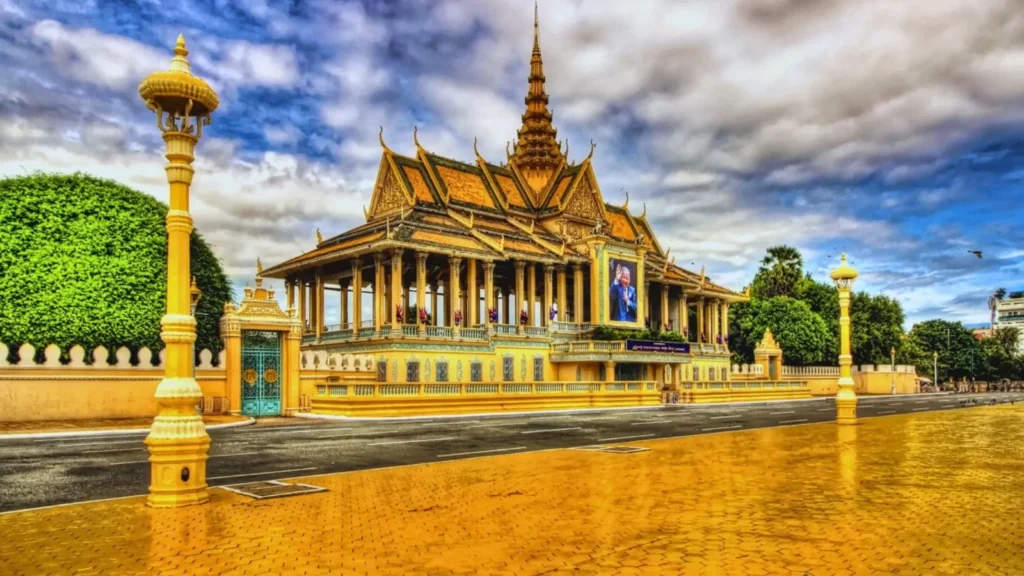
Cambodia, image source : Travel and Leisure Asia
  • Why cheap: Angkor Wat entry fees are reasonable, local buses & tuk-tuks, street food & simple guesthouses. Visa on arrival or e-visa options.

7. Laos 🇱🇦

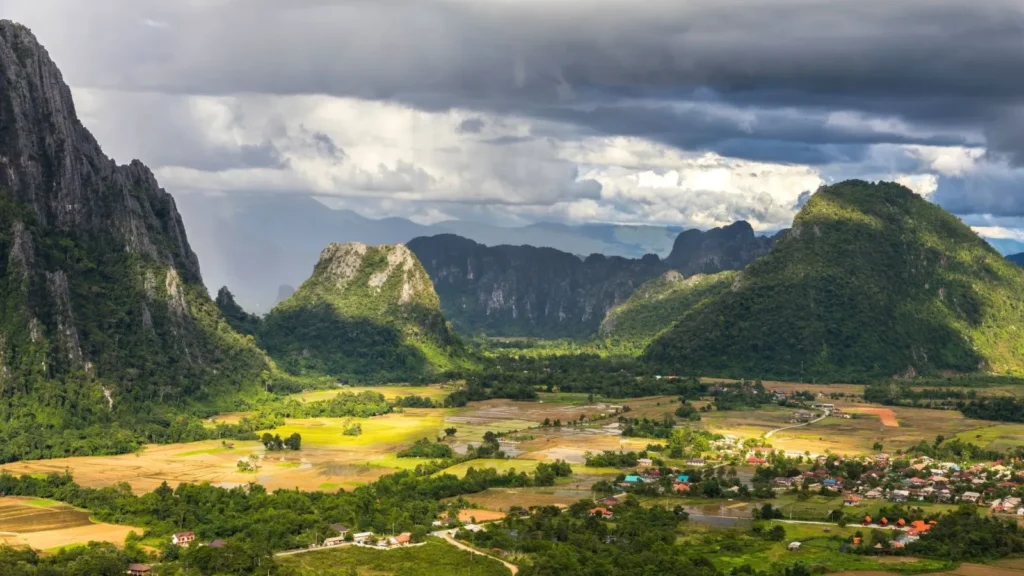
Laos , image source : Travel and Leisure Asia
  • Why cheap: Less touristy, simple lifestyle, cheap stays, low cost of local travel & food. Perfect for slow travel and peaceful time.

8. Bhutan 🇧🇹

Taktshang Goemba, Tiger nest monastery, Bhutan , image source : Easemytrip
  • Why cheap: Although there is a Sustainable Development Fee (SDF) or permit costs, Indian travellers benefit from visa-free or permit access. Accommodation and meals can be inexpensive outside luxury lodges.

Budget Tips to Maximise Your Savings

To get the most out of small budgets, use these tricks:

  • Book flights well in advance, during sales, or use budget airlines.
  • Travel during shoulder seasons (outside peak tourist season) for lower accommodation costs.
  • Stay in hostels, guesthouses, homestays, or backpacker dorms.
  • Eat local food, avoid expensive restaurants. Street-food is usually cheaper and authentic.
  • Use public transport, shared rides. Rent scooters where safe & legal.
  • Limit expensive tourist traps; prioritise free or low-fee attractions.
  • Use apps & aggregators to compare flight/hotel prices.

Sample Budget Comparison: What to Expect

DestinationApprox. Flight Cost (Round-trip from India)Daily Budget (₹, modest stay)
Nepal₹6,000-₹12,000₹1,500-₹3,000
Sri Lanka₹14,000-₹20,000₹2,000-₹3,500
Vietnam₹18,000-₹25,000₹2,000-₹3,000
Cambodia₹18,000-₹22,000₹1,200-₹2,200

Note: Costs vary depending on season, city of departure, and travel style.


Why These Destinations Are Great in 2025

  • Increasing number of budget carriers flying to Southeast Asia and neighbouring countries from India.
  • Visa rules are becoming relaxed or simpler (e-visa / visa-on-arrival) in many of these cheap countries.
  • Living costs in many places are stable, or rising slowly compared to inflation in India.
  • Opportunity to experience very different cultures, cuisines, and landscapes without spending “luxury-trip” money.

FAQ – Frequently Asked Questions

Q: Which country is absolutely cheapest from India right now?
A: Usually Nepal — because of border access, low flight costs (or even road), and inexpensive daily expenses.

Q: Are visa costs too high to negate savings?
A: Often not. Many of these countries have low visa or e-visa fees. Sometimes visa is free or minimal. Always check latest visa policy for Indian travellers before booking.

Q: How much should I budget per day to travel cheaply in these places?
A: Depending on destination, you can get by with ₹1,200-₹3,000/day on food, stay, local travel, if you avoid luxury options.

Q: Best time to book flights and travel?
A: Shoulder seasons (before/after tourist peaks), mid-week flights, and early bookings usually give major discounts.


Conclusion

Travelling internationally in 2025 doesn’t have to be expensive. With smart choices for flights, visa, and daily spending, countries like Nepal, Sri Lanka, Vietnam, Thailand, Cambodia, Laos, Indonesia, and Bhutan can give you very high travel value without breaking the bank.

Pack your bags, pick one of these budget destinations, and start exploring the diversity of Asia and neighbouring regions—all on a budget that lets you enjoy, not worry.

Also Read : 59 Visa Free Countries for Indian Passport 2025