


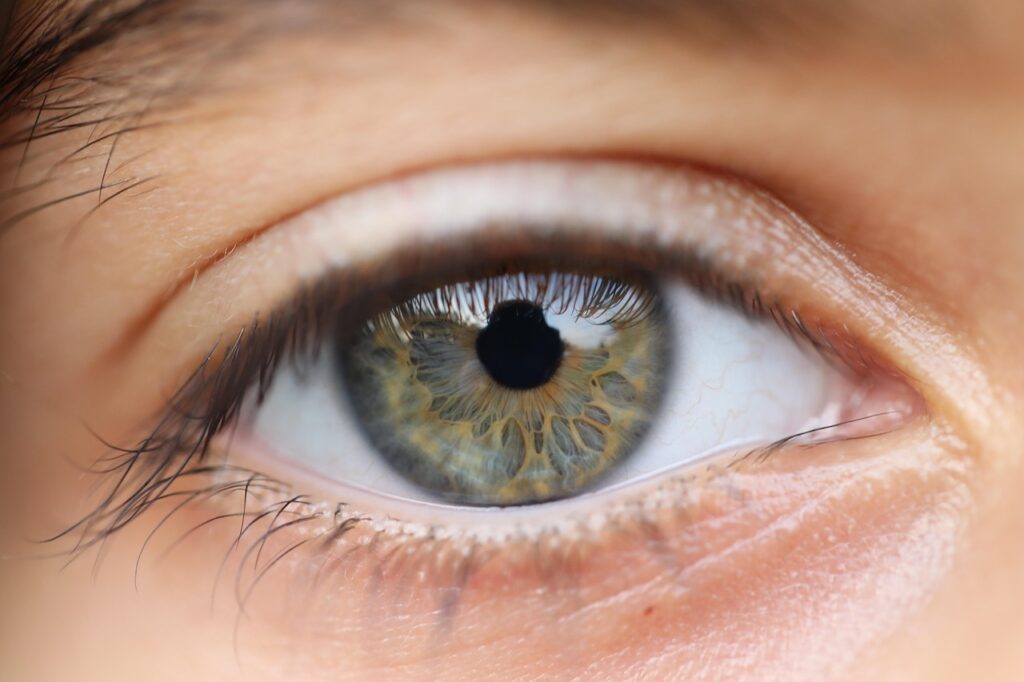
If you have ever noticed tiny specks, cobweb-like strands, or small dark shapes drifting across your vision, you have likely experienced floaters in the eye. They may appear suddenly when looking at a bright background such as a blue sky or a white wall. While floaters are usually harmless and a part of the natural aging process, they can sometimes indicate an underlying eye condition that requires medical attention.
Causes of Floaters in Eye
What Are Eye Floaters?
Eye floaters are small clumps of cells or protein fibers inside the vitreous humor—the clear gel that fills the inside of your eye. These clumps cast shadows on your retina, which you perceive as floaters moving across your vision.
Floaters do not actually move outside the eye; instead, they drift within the vitreous and shift position when your eyes move. For most people, floaters are common and not usually dangerous. However, sudden appearance of many floaters, especially with flashes of light, can be a sign of a more serious issue.
Causes of Floaters in Eye
There are multiple reasons why floaters develop. Let’s look at the most common causes:
1. Natural Aging Process
One of the primary causes of floaters in the eye is the natural aging process. As we age, the vitreous gel inside the eye begins to shrink and liquefy. Small fibers clump together and form shadows on the retina, resulting in floaters. This process, known as posterior vitreous detachment (PVD), is common after the age of 50.
2. Eye Injuries or Trauma
An injury to the eye can cause bleeding or damage inside the vitreous, leading to floaters. Even minor trauma may result in floaters, though severe injuries carry a higher risk of vision problems.
3. Eye Surgery or Laser Treatments
People who undergo cataract surgery or certain types of laser eye treatments may develop floaters as a side effect. This is due to changes in the vitreous gel or disruption of the retinal tissue.
4. Inflammation (Uveitis)
Inflammation inside the eye, especially in the uvea (the middle layer of the eye), can cause floaters. This condition is called posterior uveitis, and it often results from infections, autoimmune diseases, or inflammatory disorders. The inflammatory cells create shadows in the vitreous that are perceived as floaters.
5. Retinal Tears or Detachment
Sometimes, floaters can be an early warning sign of a retinal tear or detachment. When the vitreous gel pulls away from the retina, it can cause small tears. These tears may lead to fluid leaking behind the retina, causing it to detach. This is a medical emergency and needs urgent attention.
4–5 Conditions That Can Affect Your Sight Due to Floaters
While occasional floaters are usually harmless, they can sometimes signal more serious eye conditions. Here are key conditions that may threaten your sight:
1. Posterior Vitreous Detachment (PVD)
As mentioned, PVD occurs when the vitreous pulls away from the retina. While it is usually harmless, in some cases it can tug on the retina and cause tears. Symptoms include sudden increase in floaters, flashes of light, and blurred vision.
2. Retinal Tears or Detachment
Retinal detachment is a sight-threatening condition where the retina separates from the back of the eye. If untreated, it can lead to permanent vision loss. Symptoms include:
- Sudden burst of floaters
- Light flashes in vision
- A curtain-like shadow covering part of your sight
3. Diabetic Retinopathy
People with diabetes are at risk of developing retinopathy, where blood vessels in the retina are damaged. Bleeding inside the eye (vitreous hemorrhage) can cause floaters, along with blurred or fluctuating vision. This condition needs strict control of blood sugar and regular eye exams.
4. Eye Infections and Inflammation
Certain infections (like toxoplasmosis or viral infections) and autoimmune conditions can cause uveitis, leading to floaters. Persistent inflammation not only causes floaters but can also damage the retina if untreated.
5. Ocular Migraines
Although not directly harmful, ocular migraines can cause temporary visual disturbances, including flashes of light and spots that may mimic floaters. Differentiating between migraines and retinal conditions is important for proper treatment.
When Should You Worry About Eye Floaters?
Most people experience floaters at some point, and they often become less noticeable over time. However, you should see an eye doctor immediately if you experience:
- Sudden appearance of many floaters
- Bright flashes of light in your vision
- Loss of peripheral (side) vision
- A shadow or curtain across your vision
These could be signs of retinal detachment, which is an emergency condition.
Tips for Managing and Preventing Eye Floaters
- Get regular eye exams – Early detection helps prevent complications.
- Manage chronic conditions – Control diabetes, hypertension, and autoimmune diseases.
- Protect your eyes – Use protective eyewear to prevent trauma.
- Maintain a healthy lifestyle – Good nutrition, hydration, and avoiding smoking can support long-term eye health.
Floaters in the eye are often a normal part of aging, but they can also be linked to serious conditions like retinal detachment, uveitis, or diabetic retinopathy. Understanding the causes of floaters in eye and recognizing warning signs can protect your vision.
If you notice sudden changes in floaters, flashes of light, or vision loss, consult an eye specialist immediately. Remember, timely diagnosis and treatment can make the difference between healthy sight and permanent vision loss.
Also Read : Jeera Water vs Chia Seeds: Which is Better for Weight Loss?
What Happens to Your Body When You Cut Sugar From Your Diet for 30 Days
How Much Should You Weigh for Your Height?
Bedroom Secrets: The One Kink Millions of Women Crave but Never Admit