



One of the most common health questions people ask is: “How much should I weigh for my height?” While the answer isn’t the same for everyone, there are scientific ways to determine a healthy weight range. Factors like age, gender, muscle mass, and body composition all play a role, but height remains one of the most reliable indicators when calculating an ideal weight.
In this blog, we’ll explore different methods to determine the right weight for your height, why it matters, and how you can achieve a healthy balance.
How Much Should You Weigh for Your Height?
Why Does Weight Depend on Height?


Your height influences your body’s frame size and overall structure. A taller person naturally requires more weight for proper functioning compared to someone shorter. However, simply being tall or short doesn’t determine whether you’re healthy—what matters is whether your weight is proportionate to your height.
Carrying extra weight can lead to obesity-related conditions like diabetes, heart disease, and joint problems. Being underweight can also weaken your immune system and reduce muscle strength. Knowing your ideal weight for height helps maintain overall health and prevent lifestyle diseases.
Methods to Determine Ideal Weight for Height
1. Body Mass Index (BMI)

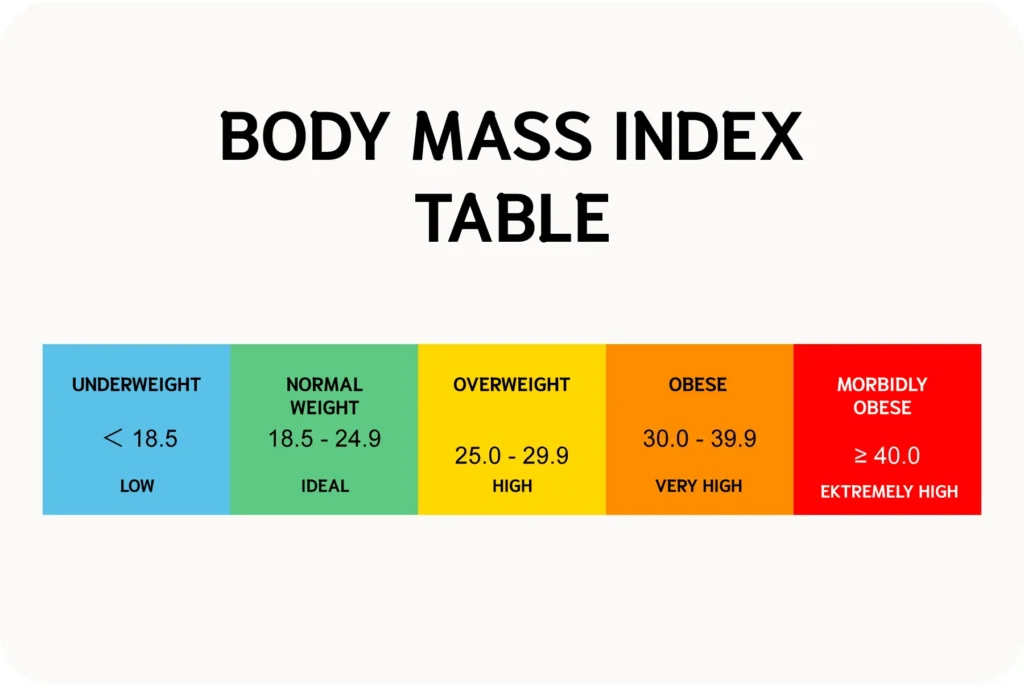
The most commonly used method is BMI (Body Mass Index), which calculates weight relative to height.
- Formula:
BMI = Weight (kg) ÷ Height² (m²) - BMI Categories:
- Underweight: Below 18.5
- Normal weight: 18.5 – 24.9
- Overweight: 25 – 29.9
- Obese: 30 and above
For example, if you are 1.70m (5’7”) tall and weigh 65kg, your BMI would be:
65 ÷ (1.7 × 1.7) = 22.5 → Normal weight.
👉 While BMI is useful, it doesn’t distinguish between fat and muscle. A muscular athlete may appear “overweight” by BMI standards, even if they are healthy.
2. Weight-for-Height Chart
A weight chart based on height gives a quick reference for an average healthy range.

| Height (cm) | Healthy Weight Range (kg) |
|---|---|
| 150 cm (4’11”) | 43 – 56 kg |
| 160 cm (5’3”) | 50 – 63 kg |
| 170 cm (5’7”) | 56 – 72 kg |
| 180 cm (5’11”) | 63 – 80 kg |
| 190 cm (6’3”) | 72 – 90 kg |
👉 These ranges vary depending on gender and body frame size but provide a general guideline for how much you should weigh for your height.
3. Waist-to-Height Ratio


Recent studies suggest that waist-to-height ratio is an even better predictor of health than BMI.
- Formula:
Waist circumference ÷ Height - Ideal range: Your waist should be less than half your height.
Example: If you are 170 cm tall, your waist should ideally be less than 85 cm. This method focuses on belly fat, which is linked to heart disease and diabetes.
Factors That Affect Ideal Weight
Even if charts and formulas provide a range, your ideal weight may vary depending on:
- Gender – Women generally have more body fat, while men have higher muscle mass.
- Age – As we age, metabolism slows down, making weight harder to maintain.
- Body frame size – A person with a larger bone structure may weigh more but still be healthy.
- Muscle mass – Athletes may weigh more due to muscle but still be within a healthy range.
👉 This means that “one size fits all” doesn’t apply when asking how much you should weigh for your height.
Why Knowing Your Healthy Weight Matters
Maintaining the right weight has multiple benefits:
- Reduces risk of chronic diseases (diabetes, hypertension, heart disease).
- Improves mobility, energy levels, and joint health.
- Supports mental well-being and confidence.
- Enhances sleep quality and overall lifestyle.
Simply put, staying within your ideal weight for height is one of the most effective ways to live longer and healthier.
How to Reach Your Ideal Weight
- Balanced Diet
- Eat whole grains, lean proteins, healthy fats, fruits, and vegetables.
- Limit processed foods, refined sugar, and excess salt.
- Regular Exercise
- Aim for at least 150 minutes of moderate activity per week.
- Include strength training to build muscle and boost metabolism.
- Hydration
- Drink at least 8–10 glasses of water daily to aid digestion and metabolism.
- Quality Sleep
- Poor sleep increases hunger hormones and leads to weight gain. Aim for 7–8 hours nightly.
- Consistency
- Sustainable lifestyle changes matter more than crash diets or quick fixes.
Common Myths About Weight and Height
- Myth 1: Thin means healthy. Being underweight can be as harmful as being overweight.
- Myth 2: Everyone with the same height should weigh the same. Body composition, muscle mass, and genetics play a huge role.
- Myth 3: BMI is always accurate. BMI is a guideline, not a perfect measurement—it doesn’t account for muscle vs. fat.
The Answer!!!
So, how much should you weigh for your height? The answer depends on multiple factors, but tools like BMI, weight-for-height charts, and waist-to-height ratio give you a reliable range to aim for.
Instead of obsessing over a single number on the scale, focus on maintaining a healthy lifestyle, balanced nutrition, and regular activity. Your body weight should make you feel energetic, confident, and healthy—not just fit into a chart.
Remember, the ultimate goal isn’t to be “skinny” but to be fit and healthy for your unique height and body type.
Also Read : Bedroom Secrets: The One Kink Millions of Women Crave but Never Admit