
Deep dive into countries offering nomad visas, a side-by-side look at duration, cost, benefits (tax, healthcare, remote-work permission) — plus trends and practical tips to pick the right program.
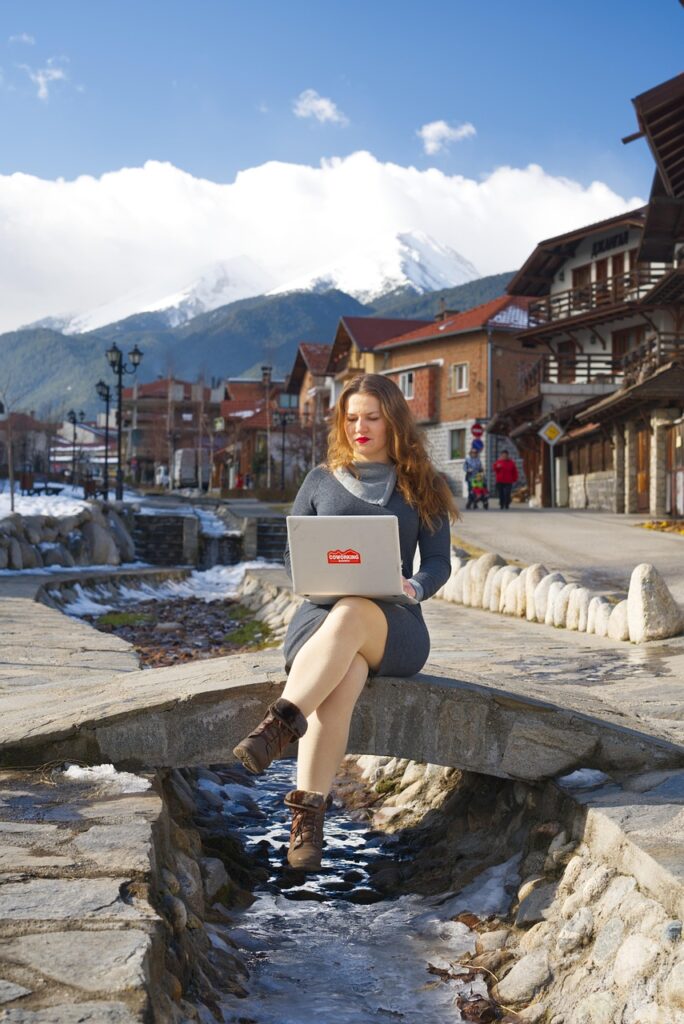
Digital nomad visas have exploded in number: dozens of countries now offer remote-worker visas or special permits (especially across Europe and the Caribbean). Programs vary widely on length (months → multiple years), eligibility (income minimums, job type), fees and benefits (tax rules, access to healthcare, family inclusion). If you plan to move and work from abroad, compare income thresholds, health-insurance rules, and tax residency triggers before applying.
Why countries are launching nomad visas (trend)

Governments see digital nomads as a low-risk source of tourism and foreign income, especially for cities with good internet and coworking scenes. The program count keeps rising as countries compete for remote workers who spend locally but don’t take local jobs — expect more launches and tweaks.
Who offers them (high-level)

There isn’t one canonical list, but authoritative trackers show 40–70+ countries with some kind of remote-worker program in 2025 — from short visitor permits to multi-year residence visas. Popular regions: Europe (Spain, Portugal, Estonia, Georgia, Croatia, etc.), the Caribbean (Barbados, Antigua), parts of Latin America (Colombia, Costa Rica), and some Asian/Pacific experiments.
Quick comparison (examples & notable differences)
| Country / Program | Typical length | Income requirement (typical) | Typical cost (application + fees) | Notable benefits / caveats |
|---|---|---|---|---|
| Estonia (Digital Nomad Visa) | up to 1 year (short/long types) | ~€3,500–4,500/month (varies by source/rule) | State fee €80–€100 for visa types; other admin costs possible. | Clear online process, good e-gov services; watch permit type. |
| Barbados (Welcome Stamp) | 12 months | Often ≥ US$50,000 annual income | Program page lists official process (fee varies by year) | Tropical lifestyle, tourism infrastructure; private health insurance is required. |
| Portugal (D7 / Digital Nomad options) | Residence permit → renewable | Passive income or remote income thresholds (varies) | Combined visa + residence permit fees ~€200–€400 (official fees vary). | Access to Portuguese health system after residency; attractive lifestyle & Schengen access for long-term holders. |
Note: table is illustrative — exact income thresholds, permitted work definitions, and fees change frequently. Always check the official immigration page for the country you’re considering.
Taxes & healthcare — what to watch for
- Tax residency: Many nomad visas allow you to live there but don’t automatically change your tax residency. However, spending more than a statutory number of days (often 183 days) or establishing a habitual abode can create tax obligations. Check double-tax treaties and local rules.
- Healthcare: Some visas require private health insurance during your stay (Barbados, many EU countries), while others let you join national public systems only after formal residency. Budget for insurance if the program requires it.
How to apply — general step-by-step
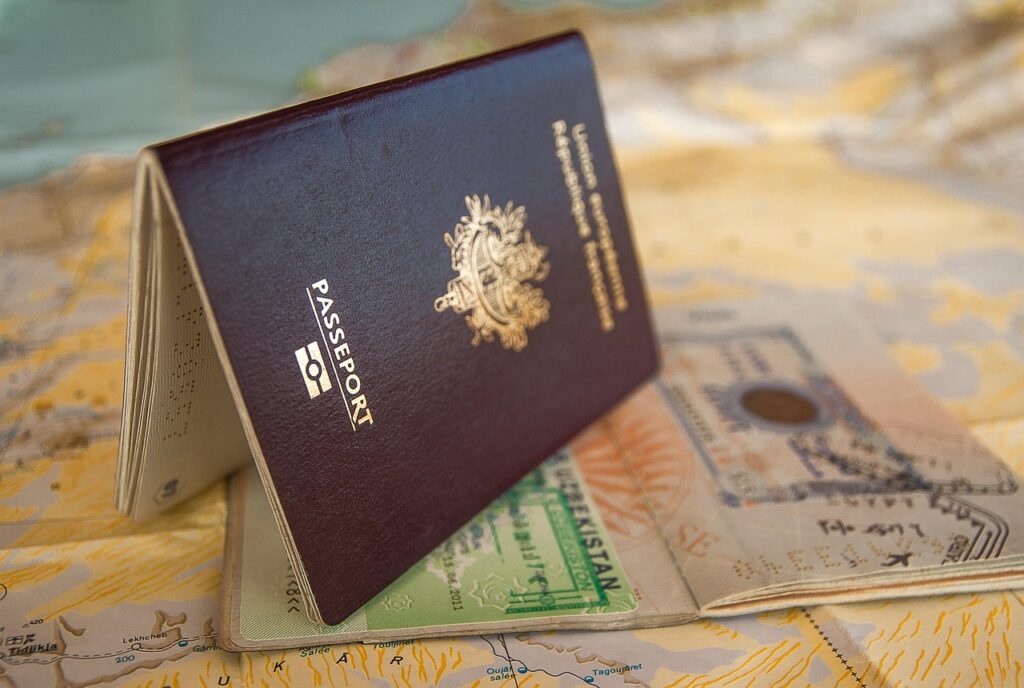
- Check official eligibility: income floor, allowed remote work (self-employed vs employed by foreign company), clean criminal record, passport validity.
- Gather documents: passport, employment/contract proof, bank statements, health insurance, accommodation proof, CV/portfolio.
- Apply online or at consulate: many countries accept online submissions; some require in-person consular appointments. (Estonia and many EU programs use e-forms; others require embassy visits.)
- Pay fees & wait: processing times differ — from a few weeks to a few months.
- Arrive, register locally: get residence card, local tax number, and health registration if applicable.
Cost ballpark (what you should budget)
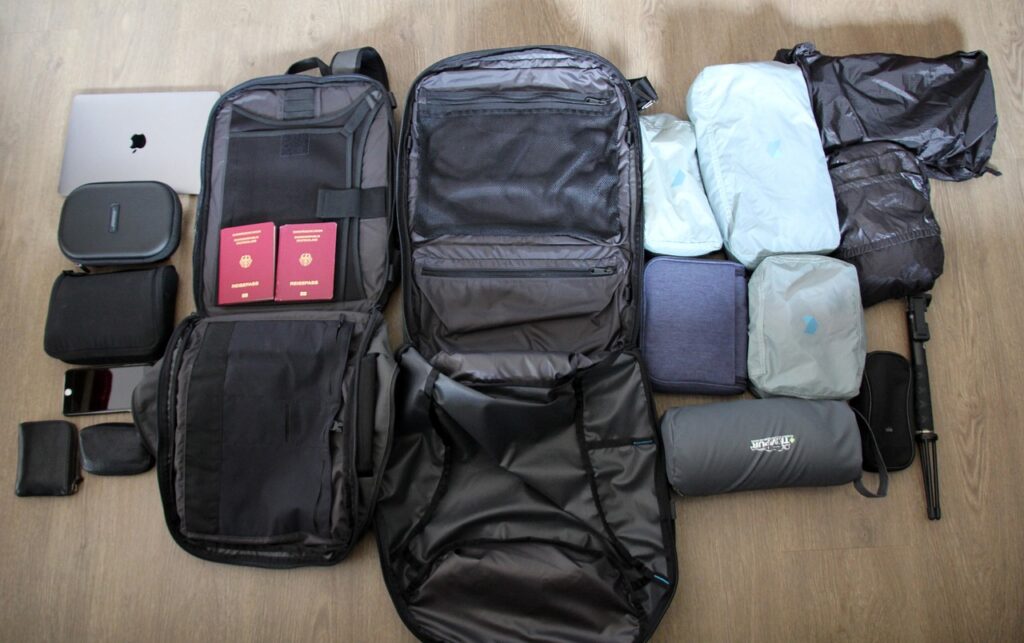
Application/processing fees vary enormously: under $100 in some countries to several hundred or a few thousand dollars in others (Caribbean programs can be pricier). Add translation/legalization, travel, health insurance, and possible lawyer fees. Sources tracking programs show a wide range — budget carefully and get the latest official fee list before applying.
Picking the right program — a checklist
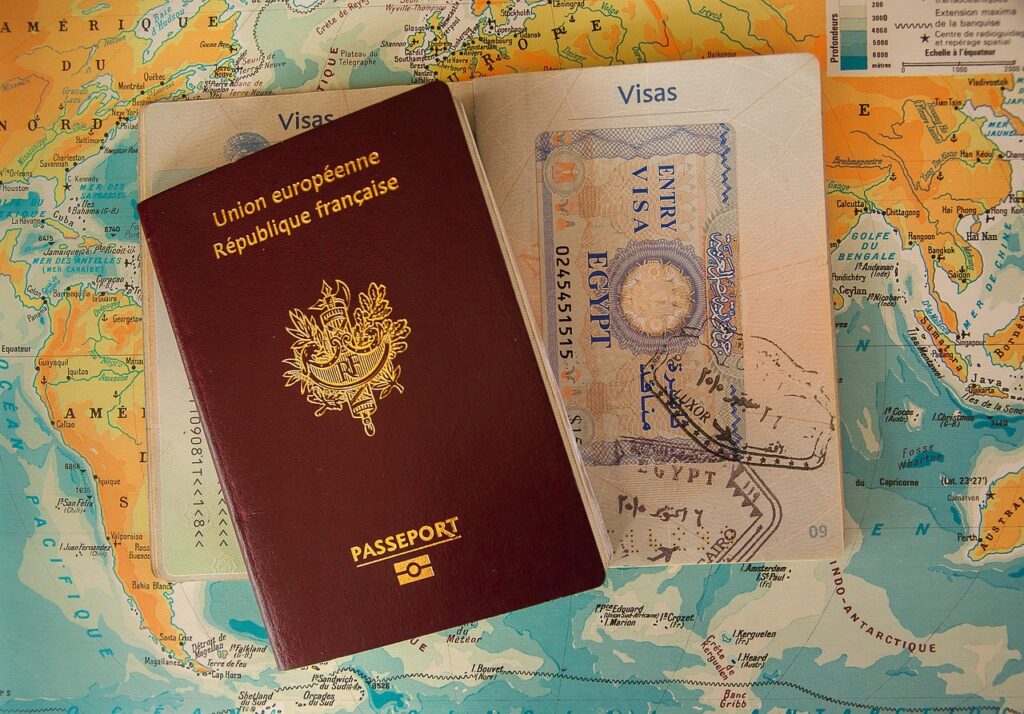
- How long do you want to stay? (months vs years)
- Does the income requirement match your reality? (monthly vs annual minimum)
- Are you okay buying private health insurance?
- Will you trigger tax residency where you currently live? (consult a tax advisor)
- Family & dependents: can you bring them? (rules vary)
- Cost & bureaucracy appetite: self-service online vs complex in-person process.
Practical tips & red flags
- Tip: Keep clear documentation of where you earn income (country of employer/clients) and proof you didn’t enter local labor market.
- Red flag: Programs that encourage you to pretend you’re a tourist while working locally — follow the rules to avoid fines or deportation.
- Pro tip: Join nomad communities (country-specific Facebook groups, Nomad List, local coworking Slack) for up-to-date on-the-ground advice.
The future of nomad visas
Digital nomad visas are moving from novelty to mainstream immigration tools — governments keep iterating the rules (income floors, family rights, tax-specific tweaks). If location freedom matters to you, these programs open exciting choices — but always verify official government guidance before spending time/money
Also Read : Cheapest Countries to Visit from India in 2025 – Budget Travel Guide !
59 Visa Free Countries for Indian Passport 2025
Finland Opens Doors to Indians: Visa, Permanent Residency & Requirements Explained
New Delhi Rajdhani Express Train Launched from Sairang to New Delhi: A New Era of Connectivity
7-Day Japan Itinerary with JR Pass: Save Money & Time
Best Foods to Try in Tokyo: A Local’s Guide to Must-Eat Dishes
3 thoughts on “Digital Nomad Visas: Where They Are, How to Apply & Cost”